

Gorgonians In Saltwater Aquariums: FAQ
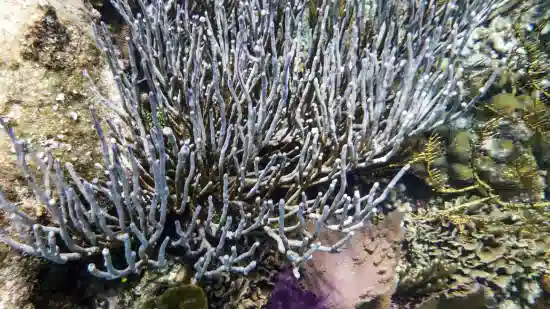
Gorgonians are branching soft corals, commonly called sea fans or sea rods, and they are highly valued in reef aquariums for their vertical growth, graceful movement, and natural reef appearance. Unlike encrusting or plating corals, gorgonians grow upright with flexible branches that sway in the current, adding height, depth, and motion that instantly makes a reef tank feel more dynamic and realistic.
So, are gorgonians good for reef tanks?
Yes, gorgonians are excellent reef tank corals when the right species is chosen. The key distinction is between photosynthetic and non-photosynthetic gorgonians.
Photosynthetic gorgonians (best for most reef tanks)
These contain zooxanthellae and get most of their energy from light.
Thrive under low to moderate reef lighting
Prefer moderate to strong, indirect flow
Do not require frequent target feeding
Peaceful and reef safe with other corals and fish
Photosynthetic gorgonians are hardy, adaptable, and ideal for mixed reefs alongside zoanthids, leathers, LPS, and even some SPS corals.
Non-photosynthetic gorgonians (advanced only)
These lack zooxanthellae and rely entirely on frequent feeding of planktonic foods.
Require daily or multiple daily feedings
Need strong, continuous flow
Starve quickly without consistent care
Because of this, non-photosynthetic gorgonians are best reserved for advanced hobbyists.
Why reef keepers love gorgonians:
Add unmatched movement and vertical structure
Create natural coral “forests” and visual depth
Completely coral-safe and non-aggressive
Compatible with most reef fish and invertebrates
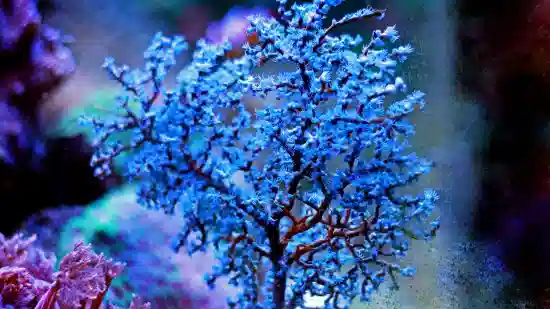
One Saltwaterfish.com reviewer of the Knobby Gorgonian shared: “I've wanted a gorgonia for a long time, and I really like this one.”
Pro tips for success with gorgonians:
Choose photosynthetic species for easier care
Provide steady, indirect flow to keep branches clean
Avoid ultra-clean systems, they prefer some nutrients
Secure the base to rock, not buried in sand
Don’t place directly under extreme PAR lighting
Bottom line:
Gorgonians are excellent additions to reef tanks, offering beauty, motion, and structure that few other corals can match. When photosynthetic species are selected, they are hardy, reef safe, and suitable for home aquariums of many experience levels. For tank-conditioned gorgonians clearly labeled for care level and backed by Saltwaterfish.com’s 8-Day Live Guarantee, explore the Gorgonians Collection and elevate your reef with confidence.
Gorgonians are often perceived as difficult, but in reality, most gorgonians sold for home aquariums are not hard to keep when the correct type is chosen. Nearly all difficulty associated with gorgonians comes from confusion between photosynthetic and non-photosynthetic species, not from gorgonians as a group.
Photosynthetic gorgonians are surprisingly forgiving. These corals derive much of their energy from light and behave more like hardy soft corals than specialty feeders. When placed in a stable reef tank with consistent flow and moderate lighting, they establish quickly and require very little direct intervention. Many reef keepers successfully keep them alongside zoanthids, leathers, and LPS with no special routines beyond good placement.
Photosynthetic gorgonians also tolerate standard reef nutrient levels and often perform poorly in ultra-sterile systems, which further distinguishes them from SPS-style care expectations.
Why some gorgonians are difficult:
Non-photosynthetic gorgonians (advanced only)
Where hobbyists struggle is unintentionally purchasing non-photosynthetic gorgonians. These species lack zooxanthellae and rely entirely on frequent planktonic feeding. Without dedicated feeding systems and near-constant food availability, they slowly starve even when water quality appears excellent. This creates the false impression that “gorgonians are hard,” when the issue is actually species mismatch. These species are visually stunning but are best left to advanced aquarists with dedicated feeding systems.
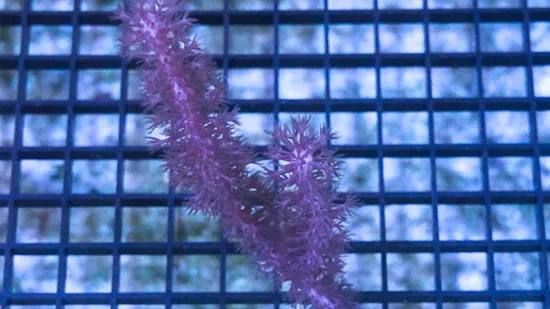
One Saltwaterfish.com reviewer of the Purple Whip Gorgonian shared: “This is beautiful\! Wayy better in person vs the stock photo.”
Bottom line:
Gorgonians are not hard to keep at home when photosynthetic species are selected. With proper flow, moderate lighting, and stable conditions, they are hardy, reef-safe corals that add unmatched movement and structure. For tank-conditioned, clearly labeled gorgonians backed by Saltwaterfish.com’s 8-Day Live Guarantee.
Yes, there are several hardy, beginner-friendly gorgonian species that perform exceptionally well in home reef aquariums when basic lighting and flow requirements are met. The key to success is choosing photosynthetic gorgonians, which rely primarily on light rather than constant feeding. These species are far more forgiving, adaptable, and suitable for mixed reef tanks than their non-photosynthetic counterparts.
Best hardy gorgonian species for beginners:
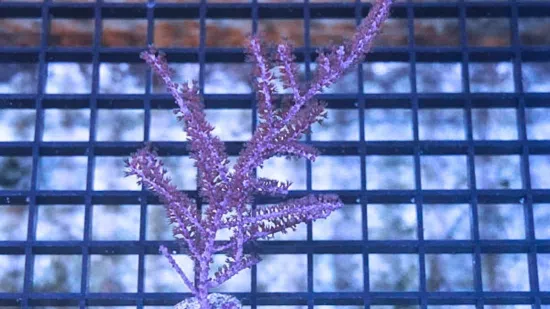
Purple Photosynthetic Gorgonian (Purple Sea Rod)
One of the most popular and reliable beginner gorgonians.
Hardy and adaptable
Thrives under moderate lighting
Excellent polyp extension with steady, indirect flow
Adds dramatic height and movement
Tan or Brown Photosynthetic Gorgonians
Often overlooked, but among the toughest options available.
Extremely resilient
Tolerate a wider range of lighting conditions
Great starter gorgonians for newer reef systems
Yellow Photosynthetic Gorgonians
Brightly colored and visually striking when properly lit.
Moderate growth rate
Reef safe and peaceful
Performs well in mixed reef tanks
Corky Sea Fingers (photosynthetic varieties)
Thick, sturdy branches make these especially forgiving.
Handle minor parameter swings better than many corals
Excellent for hobbyists transitioning from soft corals to more structural species
Why these gorgonians are beginner-friendly:
Rely mainly on moderate reef lighting, not constant feeding
Thrive with moderate to strong, indirect flow
Peaceful and reef safe
Compatible with zoanthids, leathers, LPS, and many SPS
Adapt well to standard reef nutrient levels
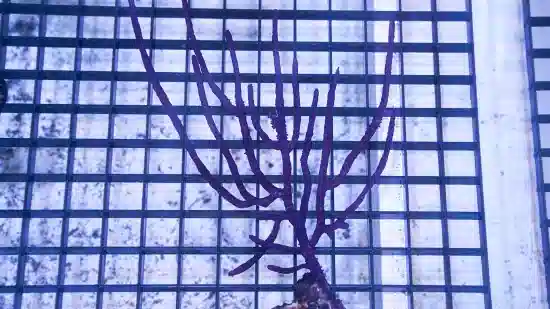
One Saltwaterfish.com reviewer of the Purple Whip Gorgonian shared: “Very nice piece.”
Beginner care tips for long-term success:
Always choose photosynthetic species
Provide indirect flow to keep branches free of algae
Avoid ultra-clean systems, gorgonians like some nutrients
Secure the base to rock, not buried in sand
Increase lighting gradually after introduction
Bottom line:
Beginner reef keepers should stick with photosynthetic gorgonians such as Purple Sea Rods, tan or brown branching gorgonians, yellow photosynthetic varieties, and corky sea fingers. These species are hardy, reef safe, and visually stunning without demanding advanced care. For tank-conditioned, clearly labeled gorgonians backed by Saltwaterfish.com’s 8-Day Live Guarantee, explore the Gorgonians Collection and confidently add elegant movement and structure to your reef.
The difference between photosynthetic and non-photosynthetic gorgonians is one of the most important things to understand before adding a gorgonian to your reef tank. While both are branching soft corals prized for movement and structure, their energy sources, care requirements, and long-term success rates are very different. Choosing the right type can mean the difference between a thriving centerpiece coral and a slow decline.
Photosynthetic gorgonians (best for most reef tanks)
Photosynthetic gorgonians contain zooxanthellae, symbiotic algae that allow them to produce energy from light, similar to most soft corals and LPS.
Rely primarily on moderate reef lighting (about 75–150 PAR)
Require moderate to strong, indirect flow to keep branches clean
Do not require frequent target feeding
Thrive in mixed reef tanks with standard nutrients
These species are considered hardy and beginner-friendly. Common examples include purple sea rods, tan or brown branching gorgonians, and many yellow photosynthetic varieties.
Non-photosynthetic gorgonians (advanced only)
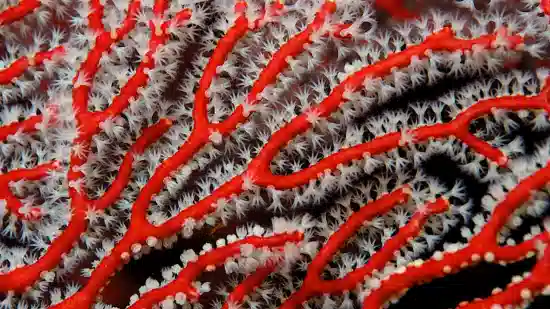
Non-photosynthetic gorgonians lack zooxanthellae, meaning they cannot use light for energy at all.
Require frequent feeding of phytoplankton and zooplankton (often daily or multiple times per day)
Depend on strong, continuous flow to deliver food
Often placed in shaded or low-light areas
Will starve quickly if feeding is inconsistent
These species are often vividly colored (red, orange, white), which makes them visually striking but they are significantly more difficult and best kept by advanced hobbyists with dedicated feeding systems.
How to choose the right gorgonian:
Choose photosynthetic gorgonians for ease, longevity, and mixed reefs
Choose non-photosynthetic gorgonians only if you can commit to heavy, consistent feeding
- When in doubt, confirm the species before purchasing
Bottom line:
Photosynthetic gorgonians rely on light and are ideal for home reef aquariums, while non-photosynthetic gorgonians rely entirely on frequent feeding and are much more demanding. For clearly labeled, tank-conditioned gorgonians backed by Saltwaterfish.com’s 8-Day Live Guarantee, explore the Gorgonians Collection and build your reef with confidence.
Gorgonians do not need extreme reef lighting, and this is one of the most misunderstood aspects of their care. Most photosynthetic gorgonians thrive under low to moderate reef lighting, making them excellent candidates for mixed reefs where SPS-level PAR would be excessive.
Unlike SPS corals that demand intense, direct light, gorgonians evolved to live in areas with filtered or angled illumination. In home aquariums, this means they typically perform best under moderate PAR levels where light is evenly distributed rather than concentrated. Excessively high PAR often leads to reduced polyp extension, slower growth, or algae accumulation on branches, not improved health.
Equally important is the relationship between lighting and flow. Gorgonians rely on water movement to keep their tissue clean and functional. Strong, indirect flow often compensates for moderate lighting by improving gas exchange and nutrient delivery. In practice, flow matters more than raw light intensity for long-term success.
Photosynthetic gorgonians placed under balanced reef lighting commonly used for LPS or mixed reefs adapt well and maintain consistent extension. Non-photosynthetic species, by contrast, are not light-driven at all and should never be chosen based on lighting capability.
Bottom line:
Gorgonians do best with moderate, even lighting paired with proper flow. High PAR is unnecessary and often counterproductive. When lighting is balanced rather than extreme, gorgonians remain healthy, expressive, and visually striking.
If there is one factor that determines gorgonian success more than any other, it is water flow. Gorgonians are structurally designed to live in constant movement, and proper flow is what keeps their tissue clean, oxygenated, and free of algae and detritus.
Ideal flow conditions for gorgonians:
Moderate to strong, indirect flow (best overall)
The ideal flow for gorgonians is moderate to strong, indirect, and variable. Branches should sway continuously without being pinned in one direction. This movement allows polyps to feed efficiently, prevents sediment buildup, and mimics natural reef environments where gorgonians are bathed in shifting currents throughout the day.
Why flow matters so much for gorgonians:
Low flow is one of the most common causes of gorgonian decline. When water movement is insufficient, algae and biofilms accumulate on branches, polyps remain closed, and tissue recession often follows. On the opposite extreme, direct laminar blasts can damage tissue and prevent proper extension.
Placement Matters
Placement matters as much as pump strength. Gorgonians often thrive where cross-flow from multiple pumps intersects, rather than directly in front of a single powerhead. Mid to upper tank placement frequently provides the best balance of movement and oxygenation.
Bottom line:
The best flow for gorgonians is moderate to strong, indirect, and variable. When water movement keeps their branches clean and gently swaying, gorgonians thrive, extend fully, and become stunning focal points in reef tanks. For tank-conditioned gorgonians clearly labeled for care level, shop our selection backed by Saltwaterfish.com’s 8-Day Live Guarantee.
Yes, gorgonians are generally very compatible with other corals and reef-safe fish, which is one of the reasons they’re so popular in mixed reef aquariums. When placed correctly, gorgonians coexist peacefully and add vertical structure and motion without overwhelming neighboring livestock. The key to success is understanding spacing, flow, and species selection.
Compatibility with other corals:
Gorgonians are non-aggressive soft corals. They do not have long sweeper tentacles like many LPS corals and rarely sting nearby corals. This makes them excellent neighbors for:
Zoanthids and palythoas
Soft corals (leathers, mushrooms, Xenia)
Many LPS corals (hammer, frogspawn, brains)
Some SPS corals (when given adequate space and flow)
Because gorgonians prefer moderate to strong, indirect flow, they are often best placed slightly away from low-flow corals to ensure everyone’s needs are met.
Compatibility with fish:
Gorgonians are completely reef safe with fish. They provide natural perching and shelter for many species, including:
Clownfish
Gobies and blennies
Wrasses
Tangs and surgeonfish
Angelfish (dwarf and medium species)
Fish do not nip or graze on healthy gorgonian tissue, and many species enjoy swimming through or resting near their branches.
Things to watch out for:
Avoid placing gorgonians directly next to aggressive LPS corals
Ensure strong enough flow to prevent algae buildup on branches
Herbivorous fish may occasionally perch but do not cause damage
Secure the base to rock, do not bury in sand
Pro tips for mixed reef success:
Choose photosynthetic gorgonians for easier care
Leave space for growth and water movement
Use activated carbon to manage soft coral chemical interactions
- Observe polyp extension, it’s the best health indicator
Bottom line:
Gorgonians are highly compatible with other corals and reef fish, making them excellent additions to mixed reef aquariums. When given proper flow, spacing, and placement, they thrive alongside a wide variety of reef life. For tank-conditioned, clearly labeled gorgonians backed by Saltwaterfish.com’s 8-Day Live Guarantee, explore the Gorgonians Collection and confidently add graceful movement to your reef.
Both gorgonians and traditional soft corals are popular choices for reef aquariums, but when it comes to ease of care, most hobbyists find that standard soft corals are slightly easier overall, while photosynthetic gorgonians are only a small step up in difficulty. The confusion usually comes from lumping all gorgonians together when in reality, care level depends heavily on the type of gorgonian you choose.
Why traditional soft corals are considered the easiest:
Soft corals like zoanthids, mushrooms, leathers, Xenia, and green star polyps are widely regarded as some of the most beginner-friendly corals in the hobby.
Tolerate a wide range of lighting and flow
Handle nutrient swings better than most corals
Recover quickly from minor mistakes
Rarely require supplemental feeding
Because of this, they are often recommended for newer reef keepers or mixed reefs with varied conditions.
Where photosynthetic gorgonians fit in:
Photosynthetic gorgonians are still relatively easy to care for, but they are slightly more demanding than basic soft corals.
Require consistent moderate to strong, indirect flow
Need clean branches to prevent algae buildup
Prefer stable nutrients (not ultra-clean systems)
Lighting needs are moderate, not extreme
They reward that extra attention with vertical structure, graceful movement, and standout visual impact that most soft corals can’t provide.
Important distinction:
Photosynthetic gorgonians - moderate difficulty, suitable for most hobbyists
Non-photosynthetic gorgonians - advanced only, far more demanding than soft corals
Which should you choose?
Choose soft corals if you want maximum forgiveness and minimal upkeep
Choose photosynthetic gorgonians if you’re comfortable dialing in flow and want dramatic movement and height
- Avoid non-photosynthetic gorgonians unless you’re experienced and willing to feed frequently
Bottom line:
Traditional soft corals are the easiest to care for, but photosynthetic gorgonians are only slightly more demanding and still very achievable for most reef keepers. Both are excellent reef-safe options; the right choice depends on how much attention you want to give flow and placement. For clearly labeled, tank-conditioned soft corals and gorgonians backed by Saltwaterfish.com’s 8-Day Live Guarantee.
Gorgonians are stunning, reef-safe soft corals, but the most common problems hobbyists experience come from species confusion, improper flow, and overly “clean” reef systems. The good news is that nearly all gorgonian issues are well-documented, preventable, and solvable when the coral is selected and placed correctly. Understanding these challenges upfront dramatically improves long-term success and coral longevity.
The most common gorgonian issues (and why they occur):
1\. Choosing non-photosynthetic gorgonians by mistake
This is the single biggest cause of failure.
Non-photosynthetic gorgonians require multiple feedings per day
Without constant planktonic food, they slowly starve
Solution: Choose photosynthetic gorgonians for home reef tanks.
2\. Insufficient or poorly directed water flow
Gorgonians rely on flow to stay clean and healthy.
Low flow leads to algae and detritus buildup
Direct, laminar flow can damage tissue
Solution: Provide moderate to strong, indirect, variable flow that gently sways branches.
3\. Algae growing on gorgonian branches
This often occurs in dead spots or tanks with weak circulation.
Solution: Improve cross-flow and avoid stagnant placement areas.
4\. Ultra-low nutrient systems
Gorgonians often struggle in tanks with near-zero nitrate and phosphate.
Solution: Maintain detectable nutrients; gorgonians perform better in balanced systems than sterile ones.
5\. Improper placement
Burying the base in sand or crowding aggressive corals nearby can cause stress and tissue recession.
Solution: Secure the base to rock and allow space for flow and growth.
Pro tips to avoid gorgonian problems:
Always confirm the coral is photosynthetic
Prioritize flow over excessive lighting
Keep branches clean and gently moving
Avoid extreme PAR levels
- Use activated carbon to manage soft coral chemical interactions
Bottom line:
Most gorgonian issues stem from incorrect species selection, inadequate flow, or overly sterile reef conditions. When photosynthetic gorgonians are chosen and given proper placement and water movement, they are hardy, stable, and highly rewarding reef corals. For tank-conditioned, clearly labeled gorgonians backed by Saltwaterfish.com’s 8-Day Live Guarantee.
Attaching gorgonians to live rock correctly is critical for their long-term health, stability, and growth. Unlike many encrusting corals, gorgonians do not naturally attach quickly on their own, and improper mounting is one of the most common causes of tissue damage or failure. When secured properly, gorgonians establish well, extend polyps consistently, and thrive for years.
Best methods for attaching gorgonians to live rock:
1\. Cyanoacrylate gel (reef-safe super glue)
This is the most popular and effective method.
Dry the base of the gorgonian gently with a paper towel
Apply a generous amount of thick gel glue to the base
Press firmly into a rock crevice for 20–30 seconds
This works best for smaller to medium gorgonians and allows precise placement.
2\. Epoxy putty (two-part reef epoxy)
Ideal for larger or heavier gorgonians.
Shape epoxy around the base
Press into rockwork securely
Allow full curing before strong flow
Epoxy provides excellent long-term stability but may temporarily irritate nearby corals during curing.
3\. Rubber band or fishing line (temporary method)
Used when glue won’t hold due to moisture.
Gently secure the base to rock
Remove after 2–3 weeks once attached
Avoid tight pressure, which can damage tissue.
What to avoid:
Do not bury gorgonians in sand; this often causes tissue recession
Avoid placing them loose on the substrate
Do not force them into tight holes that crush tissue
Placement tips for success:
Position in moderate to strong, indirect flow
Ensure branches can sway freely
Allow space from aggressive corals
- Avoid direct, laminar powerhead blasts
Bottom line:
The best way to attach gorgonians is by gluing or epoxying the base securely to live rock, never burying them in sand. Proper attachment ensures stability, strong polyp extension, and long-term success. For tank-conditioned gorgonians clearly labeled for care level and backed by Saltwaterfish.com’s 8-Day Live Guarantee, explore the Gorgonians Collection and mount your coral with confidence.