Batfish In Saltwater Aquariums: FAQ
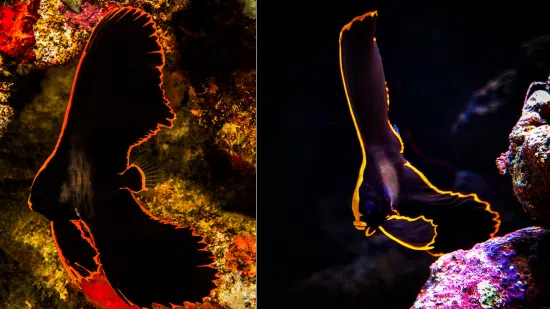
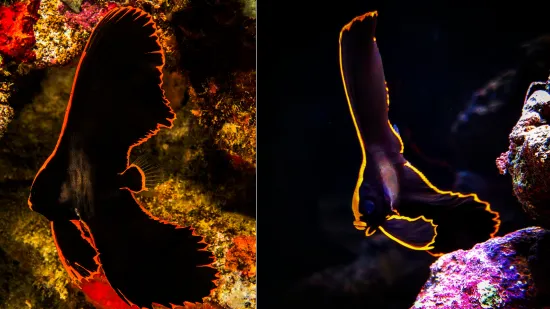
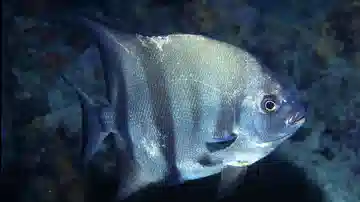
Batfish (family Ephippidae, genus Platax) are tall, laterally compressed saltwater fish known for their disc-like shape, long dorsal/anal fins, and calm, gliding swimming style. Juveniles are especially dramatic-looking, but they change noticeably as they mature, trading “wow” juvenile fins and color for a bigger, more imposing display-fish presence.
Yes, batfish can do very well in captivity but they’re a large-tank, experienced-hobbyist fish. Their biggest requirements aren’t exotic water chemistry; it’s space, filtration, and feeding environment. Batfish are deliberate, slower feeders, and they do best when they aren’t constantly pressured by fast, aggressive tank mates.
One Saltwaterfish.com reviewer of the Orbiculate Batfish shared: “A gorgeous healthy Orbiculate Batfish. Arrived quickly and adapted quickly. Likes to hang out with my Mimic Tang. I purchased three different species and everyone is doing well\!”
Pro tips for batfish success:
Plan for adult size from day one
Feed a varied, high-quality diet
Avoid aggressive or overly fast-feeding tank mates
Maintain stable parameters and strong filtration
Bottom line:
Batfish are beautiful, peaceful, and rewarding saltwater fish when kept in large, well-maintained aquariums. They are not beginner fish, but in the right system, they thrive and become unforgettable centerpiece animals. For responsibly sourced, tank-conditioned batfish backed by Saltwaterfish.com’s 8-Day Live Guarantee.
Batfish are not considered reliably reef safe, especially as they mature. While juvenile batfish may coexist peacefully in reef environments for a short time, adult batfish often become opportunistic omnivores that can nip corals and consume certain invertebrates. For this reason, batfish are best classified as “reef safe with caution” at best, and more realistically suited for FOWLR (Fish Only With Live Rock) or large mixed-fish systems.
Why batfish are risky in reef tanks:
Coral nipping behavior
As batfish grow, their diet broadens. Many adults will:
Nip at soft corals
Sample LPS polyps
Pick at fleshy coral tissue
This behavior is not constant aggression, but even occasional nipping can cause corals to remain closed, recede, or decline over time.
Invertebrates may be eaten
Batfish are known to consume or harass:
Shrimp
Small crabs
Snails
Other slow-moving invertebrates
Cleanup crews are often the first casualties in batfish tanks.
Diet-driven behavior
Batfish are opportunistic feeders, and in reef tanks they may treat corals and invertebrates as supplemental food, especially if underfed or competing with fast tank mates.
Why some hobbyists temporarily succeed in reefs:
Juveniles are less destructive
Heavily fed batfish may ignore corals for a time
Large reefs can dilute damage initially
However, most long-term reef keepers eventually report issues as the fish matures.
Where batfish thrive best:
FOWLR and large display systems
In fish-focused tanks, batfish:
Display natural behavior
Grow to full size without restriction
Eliminate concerns about coral or invertebrate loss
One Saltwaterfish.com reviewer of the Teira Batfish shared: “Very good Teira Batfish for your tank. I have lost this species and don't know why. Purchased a new one which just arrived.”
Pro tips if attempting batfish with corals (not recommended long term):
Expect eventual coral damage
Avoid fleshy corals and ornamental inverts
Feed a varied, frequent diet
- Have a backup plan to rehome or convert to FOWLR
Bottom line:
Batfish are not truly reef safe. While juveniles may coexist with corals temporarily, adults often nip corals and eat invertebrates. For long-term success and peace of mind, batfish are best kept in large FOWLR or mixed-fish systems, not dedicated reef tanks. For responsibly sourced, tank-conditioned batfish backed by Saltwaterfish.com’s 8-Day Live Guarantee, explore the Batfish Collection and plan your aquarium with confidence and clarity.
Batfish are opportunistic omnivores that require a varied, nutrient-dense diet in captivity to maintain health, coloration, and long-term growth. In the wild, batfish graze on algae, plankton, small invertebrates, and organic matter. Replicating this diverse diet in a home aquarium is essential, especially given their large adult size and steady growth rate.
Best foods for batfish in captivity:
Meaty marine foods (diet foundation)
Batfish thrive when regularly fed high-quality marine proteins, including:
Mysis shrimp
Chopped shrimp or prawn
Clams, mussels, and scallops
Squid or marine fish flesh
These foods support muscle development, energy needs, and immune health.
Prepared and frozen foods (highly recommended)
Most batfish adapt well to prepared foods once established:
Frozen omnivore blends
High-quality marine pellets
Sinking or slow-sinking foods (important for calm feeders like batfish)
Prepared foods add consistency and help ensure balanced nutrition.
Vegetable matter and algae (important supplement)
Although often overlooked, batfish benefit from plant-based foods:
Dried seaweed (nori)
Algae-based pellets or flakes
Spirulina-enriched foods
Including greens reduces the likelihood of coral nipping and supports digestive health.
How often should batfish be fed?
Juveniles: 2–3 small feedings per day
Adults: 1–2 feedings per day
Batfish are slow, deliberate feeders, so food should remain available long enough for them to eat without competition.
Foods to avoid:
Flake-only diets
Freshwater feeder fish
Low-quality fillers or heavily processed foods
One Saltwaterfish.com reviewer of the Pinnatus Batfish shared: “Thank you for picking out a gorgeous specimen. It arrived very healthy and is eating like a pig. I have been wanting to get this particular batfish for over 30 yrs, and now I have a healthy happy gorgeous specimen. I look forward to watching this one grow, and Thanks again for contacting me about the bigger one not passing inspection. Definitely will be ordering more in the future\!”
Pro feeding tips for batfish:
Feed a varied diet to prevent deficiencies
Avoid housing with overly aggressive or fast-feeding fish
Use multiple feeding locations in large tanks
- Monitor body thickness: batfish should appear full, not pinched
Bottom line:
Batfish do best on a balanced omnivorous diet combining meaty marine foods, prepared feeds, and plant matter. Proper nutrition reduces stress, supports growth, and minimizes undesirable behaviors. For responsibly sourced, tank-conditioned batfish backed by Saltwaterfish.com’s 8-Day Live Guarantee, explore the Batfish Collection and feed your centerpiece fish with confidence.
Batfish get much larger than most people expect, and they’re “big” in two ways: length and height. In home aquariums, many common Platax species reach roughly 18–24+ inches in overall height (fin to fin) when mature, even if the body length sounds more modest on paper.
That height matters because batfish need room to turn and cruise without constantly brushing fins against rockwork or glass. Most problems blamed on “batfish being delicate” actually come from cramped dimensions that lead to chronic stress and fin damage over time.
Bottom line:
In home aquariums, batfish commonly reach 18–24+ inches, making them best suited for very large FOWLR or mixed-fish display tanks. They are not short-term or small-tank fish, but in the right system, batfish become breathtaking, long-lived centerpiece animals. For responsibly sourced, tank-conditioned batfish backed by Saltwaterfish.com’s 8-Day Live Guarantee.
Batfish are peaceful, slow-moving, large-bodied fish, which means the best tank mates are those that are calm, non-aggressive, and similar in size and temperament. While batfish are not bullies, they are easily stressed by fast, aggressive, or overly competitive species, making tank mate selection one of the most important factors for long-term success.
Ideal tank mates for batfish:
Large, peaceful fish
Batfish do best with other calm, confident swimmers that won’t harass them or outcompete them at feeding time, such as:
Large angelfish (Emperor, French, Gray, Blueface)
Tangs and surgeonfish (Naso, Sailfin, Blue, Blonde Naso)
Rabbitfish (Foxface species)
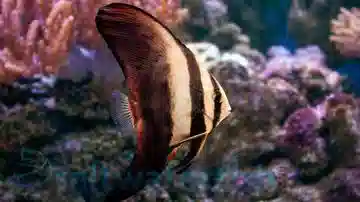
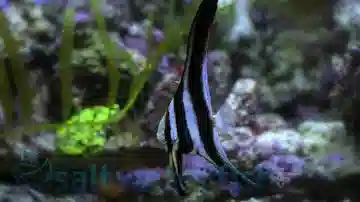
Large bannerfish or peaceful butterflyfish
These fish occupy similar swimming zones and tolerate the slow, graceful pace of batfish.
Other large, non-aggressive show fish
In very large systems, batfish can coexist with:
Other batfish (added together, ample space required)
Peaceful groupers (species dependent)
Large wrasses (non-aggressive species only)
Tank mates to avoid with batfish:
Aggressive triggerfish
Fast, food-dominant fish (large wrasses, aggressive tangs in small tanks)
Fin-nippers
Very small or timid fish
Invertebrate\-dependent setups (batfish may eat shrimp and snails)
Why temperament matters more than size:
Batfish are deliberate feeders and easily stressed. Aggressive tank mates often prevent them from eating properly, leading to weight loss and disease, even in otherwise healthy systems.
Pro tips for batfish compatibility:
Use large tanks (180–300+ gallons)
Choose tank mates based on behavior, not just size
Feed a varied diet at multiple locations
Avoid overcrowding
- Maintain excellent water quality
Bottom line:
The best tank mates for batfish are large, peaceful species like angelfish, tangs, rabbitfish, and other calm show fish housed in spacious FOWLR or mixed-fish systems. When paired thoughtfully, batfish coexist beautifully and become stunning centerpiece animals. For responsibly sourced, tank-conditioned batfish backed by Saltwaterfish.com’s 8-Day Live Guarantee, explore the Batfish Collection and build your aquarium with confidence and clarity.
Orbiculate batfish and pinnate batfish are two of the most commonly confused batfish types in the saltwater aquarium hobby. While they belong to the same genus (Platax) and share similar care requirements, they differ in body shape, coloration, growth pattern, and overall appearance as adults. Understanding these differences is essential before choosing the right batfish for your aquarium, especially given their large adult size.
*Orbiculate Batfish (Platax orbicularis)
The orbiculate batfish is named for its round, disk-like body shape.
Body shape: Nearly circular when viewed from the side
Juvenile appearance: Often solid dark brown or black with bright orange edging on fins
Adult appearance: Silver-gray body with subtle darker shading
Adult size: Commonly 20–24+ inches tall (fin to fin)
Orbiculate batfish are prized for their dramatic juvenile coloration, but many hobbyists are surprised by how much their appearance changes as they mature. They require very large tanks (240–300+ gallons) to thrive long term.
Pinnate Batfish (Platax pinnatus)
The pinnate batfish is known for its elongated, flowing fins, especially as a juvenile.
Body shape: Taller than long, but less round than orbicularis
Juvenile appearance: Jet black with vivid orange or red fin margins
Adult appearance: Silver body with darker vertical shading
Adult size: Typically 18–22 inches tall
Pinnate batfish are often considered slightly more delicate as juveniles but become hardy once established.
Key differences at a glance:
Orbiculate \= rounder body, bulkier adult
Pinnate \= longer fins, more dramatic juvenile look
Both grow very large and need extensive swimming space
Both are not reliably reef safe
Pro tips when choosing between the two:
Choose based on adult size and tank dimensions, not juvenile looks
Expect major color and shape changes over time
Provide open swimming space and strong filtration
- Avoid aggressive or fast-feeding tank mates
Bottom line:
Orbiculate and pinnate batfish differ mainly in body shape and juvenile appearance, but both grow into very large, peaceful, show-stopping fish that require serious space and planning. They are best suited for experienced aquarists with large FOWLR systems. For responsibly sourced, tank-conditioned batfish backed by Saltwaterfish.com’s 8-Day Live Guarantee, explore the Batfish Collection and choose the species that best fits your long-term aquarium vision.
Yes, you can keep more than one batfish in the same tank, but only under very specific conditions. Batfish are naturally peaceful and often found in loose groups in the wild, which makes multi-batfish setups possible. However, their large adult size, slow feeding behavior, and space requirements mean this is an option best reserved for very large, well-planned aquariums and experienced hobbyists.
When keeping multiple batfish works well:
Tank size is the deciding factor
Batfish grow 18–24+ inches tall and require significant horizontal and vertical swimming space.
Absolute minimum: \~300 gallons
Ideal: 400–500+ gallons for multiple individuals
In smaller tanks, competition, stress, and stunted growth are common, even though batfish are not aggressive.
Add batfish together or at similar sizes
Batfish are more likely to coexist peacefully when:
Introduced at the same time
Similar in size and age
Large size differences can lead to food competition or intimidation.
Calm tank environment
Batfish are slow, deliberate feeders. A peaceful tank with non-aggressive companions helps ensure all individuals eat adequately and remain stress-free.
Strong filtration and maintenance
Multiple batfish create a very heavy bioload. Oversized filtration and consistent maintenance are mandatory to maintain water quality long term.
When keeping multiple batfish is not recommended:
Tanks under 300 gallons
Systems with aggressive or fast-feeding fish
Reef tanks with valuable corals or invertebrates
Hobbyists unable to plan for long-term adult size
While batfish rarely fight, crowding stress is the primary cause of failure, not aggression.
Pro tips for multi-batfish success:
Plan for adult size from day one
Feed a varied diet at multiple locations
Maintain open swimming space
Avoid overcrowding
- Monitor body condition and feeding response
Bottom line:
Keeping more than one batfish is possible and can be stunning, but only in very large, peaceful, and well-maintained aquariums. For most home setups, a single batfish is the most responsible choice. For responsibly sourced, tank-conditioned batfish backed by Saltwaterfish.com’s 8-Day Live Guarantee, explore the Batfish Collection and plan your system with clarity and long-term confidence.
For batfish, tank size is about dimensions first, gallons second. These fish are tall, wide-fin-span cruisers that need open water to move comfortably and eat without stress.
Minimum and recommended tank sizes for batfish:
Juvenile batfish (short-term only)
Minimum: \~180 gallons can work briefly if the tank has strong filtration and open swimming room.
Adult batfish (long-term housing)
Recommended: 240–300+ gallons
Tall tanks with ample height are strongly preferred
Most common species, such as Orbiculate *(Platax orbicularis) and Pinnate (Platax pinnatus) batfish, reach 18–24+ inches tall, including their extended fins.
Why batfish need such large tanks:
Tall body shape and fin span: Batfish are not just long, they are extremely tall. Standard aquariums often lack the vertical clearance batfish need to turn and swim comfortably.
Constant, open-water swimming: Batfish are graceful cruisers that rely on open space. Crowded aquascaping or narrow tanks lead to stress, fin damage, and stunted growth.
Heavy bioload: Large batfish eat well and produce significant waste. Bigger tanks dilute waste more effectively and allow for stable water quality.
Behavior and compatibility: In undersized tanks, batfish may stop eating properly, become timid, or be harassed by faster tank mates simply because they can’t escape pressure.
Pro tips when choosing a batfish tank:
Prioritize tank height and length, not just gallons
Keep rockwork minimal and secure
Use oversized filtration
Avoid aggressive or fast-feeding tank mates
Plan for a decade-long commitment
Bottom line:
Batfish require at least 240–300 gallons long term, with generous height and open swimming space. They are not suitable for small or average-sized home aquariums, but in large, well-planned FOWLR systems, they thrive and become breathtaking centerpiece fish. For responsibly sourced, tank-conditioned batfish backed by Saltwaterfish.com’s 8-Day Live Guarantee.
Batfish are long-lived saltwater fish, and when kept in properly sized, well-maintained aquariums, they commonly live 10–15 years in captivity, with some individuals exceeding that range in exceptional setups. Their lifespan is closely tied to tank size, diet quality, stress levels, and long-term planning, making them a serious commitment rather than a short-term show fish.
Batfish losses are rarely due to inherent fragility. Instead, most issues stem from outgrowing tanks, chronic stress, or long-term nutritional deficiencies.
What most affects batfish longevity:
Tank size and swimming space
Batfish grow 18–24+ inches tall and require large, open tanks to swim naturally. Crowded or short tanks lead to chronic stress, fin damage, and reduced lifespan.
Long-term success typically starts at 240–300+ gallons
Diet and feeding environment
Batfish are slow, deliberate feeders.
A varied omnivorous diet (meaty foods \+ plant matter) is essential
Aggressive or fast-feeding tank mates often prevent batfish from eating enough, leading to weight loss over time
Water quality and stability
Because of their size and heavy feeding, batfish depend on:
Strong filtration
Stable parameters
Consistent maintenance
Stress and compatibility
Peaceful tank mates dramatically improve longevity. Chronic harassment, competition, or cramped conditions shorten lifespan far more than disease.
Bottom line:
In home aquariums, batfish typically live 10–15+ years when housed in large, stable, and thoughtfully planned systems. They are long-term centerpiece fish that reward patience and preparation with years of graceful presence. For responsibly sourced, tank-conditioned batfish backed by Saltwaterfish.com’s 8-Day Live Guarantee.
Batfish do best with consistent daily feeding, because they’re steady-growing omnivores and (importantly) slow, deliberate eaters.
Juvenile batfish: 2–3 small meals per day: Juveniles grow quickly and need frequent nutrition to avoid weight loss and stress.
Adult batfish: 1–2 meals per day: Adults still benefit from regular feeding but require larger, well-balanced portions rather than constant grazing.
Skipping meals or feeding inconsistently often leads to pinched bellies, weakened immune systems, and increased coral or invertebrate nipping, especially in mixed systems.
Best foods for batfish in captivity:
Meaty marine staples: mysis, chopped shrimp, clam/mussel, squid (appropriately sized)
Quality prepared foods: frozen omnivore blends, slow-sinking marine pellets
- Plant matter: nori and spirulina-based options (helps round out nutrition and often reduces “sampling” behavior in mixed systems)
Feeding tip that matters more than the menu: make sure the batfish actually gets the food. In mixed tanks, use multiple feeding spots and avoid hyper-competitive eaters that prevent slow feeders from maintaining body mass.
Bottom line:
Feed batfish daily (juveniles more often) with a varied omnivorous diet combining meaty marine foods and plant-based supplements. Consistent, high-quality feeding supports growth, longevity, and calm behavior. For responsibly sourced, tank-conditioned batfish backed by Saltwaterfish.com’s 8-Day Live Guarantee, explore the Batfish Collection and care for your centerpiece fish with confidence.