





Triggerfish In Saltwater Aquariums: FAQ
Triggerfish are bold, intelligent saltwater fish, but whether they’re good for reef tanks depends heavily on the species you choose, your tank size, and the types of invertebrates you plan to keep. While some triggerfish are notorious for nipping at shrimp, crabs, and even corals, others are surprisingly reef-compatible, peaceful, and safe for mixed reefs when given enough space and proper feeding. Understanding the differences between species is essential for long-term success.
Reef-compatible triggerfish species:
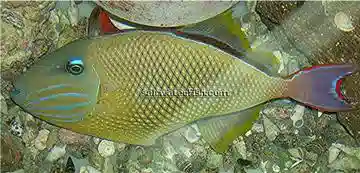
Bluejaw Triggerfish (Xanthichthys auromarginatus): Widely considered the safest trigger for reef systems. This species is calm, open-water swimming, and rarely bothers corals or inverts when well-fed.
Crosshatch Triggerfish (Xanthichthys mento): A premium, highly sought-after trigger that feeds in the water column, not on the reef. Needs 180+ gallons.
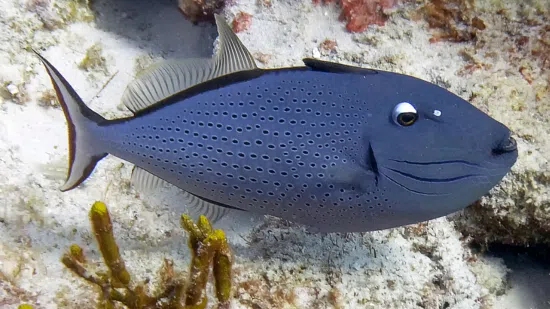
Sargassum Triggerfish (Xanthichthys ringens): Peaceful and striking, known for excellent reef compatibility.
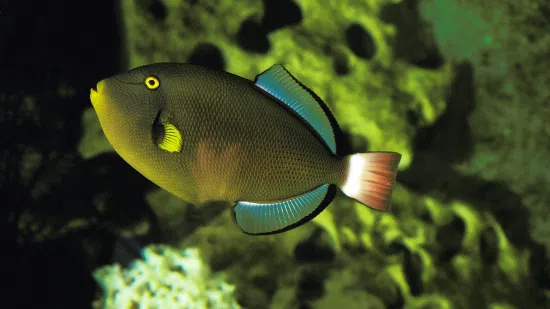
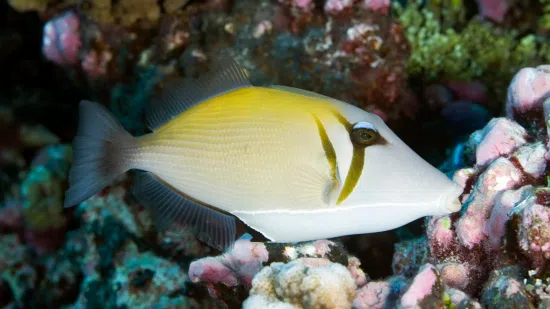
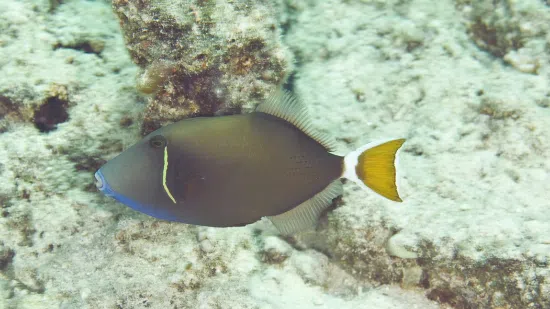
Pinktail Triggerfish (Melichthys vidua): Semi-aggressive but manageable in large, stable reef tanks.
*Triggerfish that are not reef-safe:
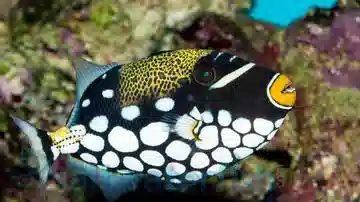
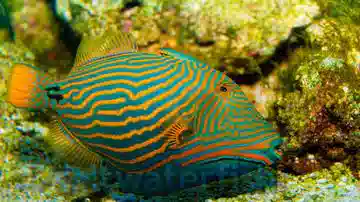
Avoid reefing with Clown Triggerfish, Undulated Triggerfish, or Queen Triggerfish, as these species will prey on shrimp, snails, crabs, and even smaller fish.
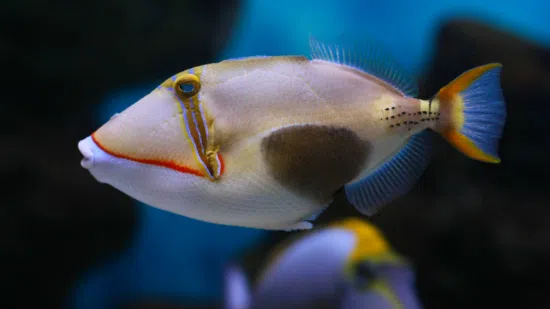
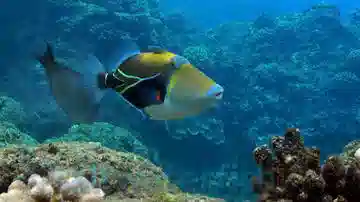
One Saltwaterfish.com reviewer of the Humu Picasso Trigger shared: “Love this little fella. I know it wont be too long before it gets big. He is active and has a healthy appetite. Wonderful addition to the tank.”
Pro reefkeeping tips:
Choose plankton-feeding species from the Xanthichthys genus for the best coral safety.
Keep triggerfish well-fed with meaty foods to curb natural foraging behavior.
Secure all rockwork: triggers are strong swimmers and may shift loose structures.
Introduce them last to reduce territorial tendencies.
Provide ample swimming space; most triggers thrive in 125–180+ gallons.
Bottom line:
Most triggerfish are not reef-safe, but several species (especially the Bluejaw, Crosshatch, and Sargassum Trigger) can thrive peacefully in large reef systems with the proper setup. With smart species selection and consistent feeding, triggerfish offer incredible color, personality, and movement without threatening your corals. Explore Saltwaterfish.com’s responsibly sourced Triggerfish Collection, all backed by our 8-Day Live Guarantee for confident reefkeeping.
Triggerfish are enthusiastic, powerful eaters that thrive on a varied, protein-rich diet in home aquariums. In the wild, they feed on crustaceans, mollusks, worms, and meaty reef organisms, and they require similar nutrient-dense foods in captivity to maintain their vibrant coloration, strong jaws, and active behavior. A diverse diet also helps reduce aggression and keeps their natural foraging instincts satisfied, which is important for maintaining harmony in community tanks.
Core foods for triggerfish in aquariums:
Meaty frozen foods
Triggerfish do exceptionally well on hearty seafoods such as mysis shrimp, krill, squid, silversides, clams, and chopped shrimp. These provide essential proteins and fatty acids for muscle strength and immune function.
High-quality pellets
Large marine carnivore pellets are excellent for daily feeding. Pellets help round out nutrition and improve consistency, which is especially helpful in larger tanks.
Fresh seafood treats
Supplementing with raw clam, scallop, or shrimp (shell-on when possible) once or twice a week enhances enrichment and supports natural chewing behaviors.
Shell-on foods (dental health essential)
Triggerfish have ever-growing teeth designed for crushing shells. Feeding clam-on-the-half-shell or shell-on shrimp helps keep their teeth naturally worn and prevents dental overgrowth.
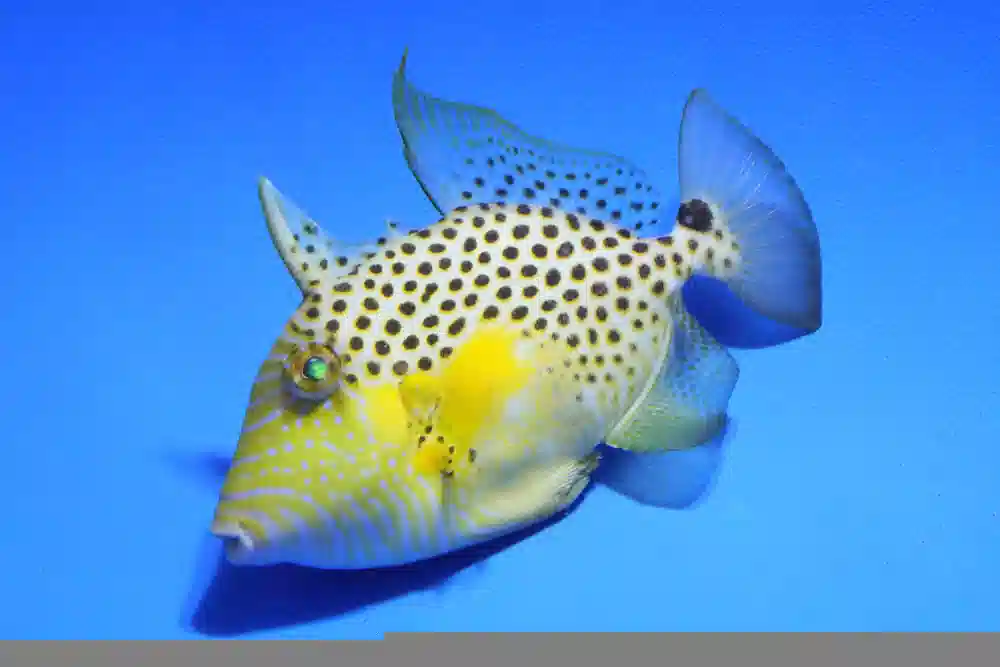
One Saltwaterfish.com reviewer of the Blue Throat Trigger shared: “Great color and healthy. A little shy right now but I'm sure he will come around.”
Pro feeding tips:
Feed 1–2 times per day depending on species size and age.
Rotate multiple food types to ensure balanced nutrition.
Include crunchy, shell-on foods weekly for dental maintenance.
Remove uneaten food promptly to protect water quality.
Avoid offering only soft foods: triggers need firm textures for proper jaw health.
Bottom line:
Triggerfish thrive on a diverse, meaty diet that mirrors their natural feeding habits. By offering frozen seafood, carnivore pellets, and weekly shell-on treats, you’ll keep your triggerfish healthy, active, and brilliantly colored. For sustainably sourced, professionally conditioned triggerfish backed by Saltwaterfish.com’s 8-Day Live Guarantee, explore the full Triggerfish Collection and choose the perfect addition to your saltwater aquarium.
The best triggerfish for a saltwater aquarium are species that combine manageable temperaments, reef or community compatibility, and hardy, adaptable care requirements. While many triggerfish are known for bold personalities and strong jaws, several species are well-suited to home aquariums and can coexist peacefully with larger tankmates when properly selected. Choosing the right triggerfish depends on your tank size, aquascape, and livestock mix, but a few standout species consistently rank as the best options for hobbyists.
Top triggerfish for home aquariums:
Bluejaw Triggerfish (Xanthichthys auromarginatus)
One of the most peaceful triggerfish and widely considered the best all-around choice. This plankton-feeding species is less likely to pick at invertebrates and typically leaves corals alone in larger reef systems. Males develop a striking blue throat patch.
Sargassum Triggerfish (Xanthichthys ringens)
Another calm, open-water swimmer that adapts well to community tanks. Its gentle behavior and attractive coloration make it ideal for larger mixed reefs or FOWLR setups.
Crosshatch Triggerfish (Xanthichthys mento)
A premium, showpiece species prized for its vibrant cross-patterned scales and exceptional reef compatibility. Best for tanks 180+ gallons due to its activity level.
Pinktail Triggerfish (Melichthys vidua)
Semi-aggressive but manageable in spacious systems. This species is colorful, hardy, and less destructive than many other triggers when kept well-fed.
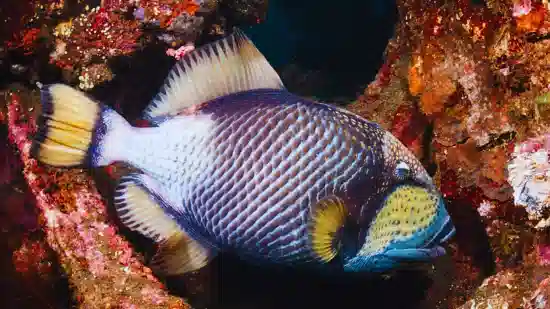
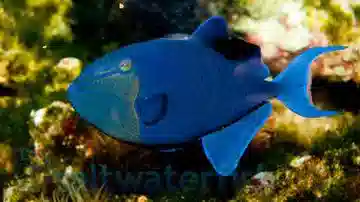
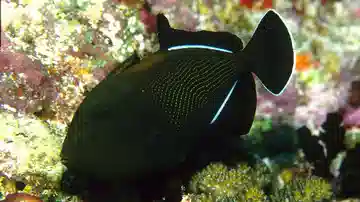
Niger Triggerfish (Odonus niger)
A popular option for FOWLR tanks thanks to its deep purple color, graceful swimming, and generally mild temperament.
One Saltwaterfish.com reviewer of the Niger Trigger shared: “I cant say enough about this fish. Its so beautiful and has been a great addition to my tank. Took him a while to come out of hiding but now he is swimming and playing nicely with his tank mates. His colors are GORGEOUS\!\!\!”
Pro selection tips:
Choose plankton-feeding triggers (Xanthichthys species) for the safest reef compatibility.
Provide 125–180+ gallons depending on the species; triggers are active swimmers.
Keep rockwork stable: triggers are powerful and may rearrange loose pieces.
Introduce triggers last to minimize territorial behavior.
Offer a varied, meaty diet to reduce aggression and foraging.
Bottom line:
The best triggerfish for saltwater aquariums are the Bluejaw, Sargassum, Crosshatch, Pinktail, and Niger Triggerfish, thanks to their manageable temperaments, hardiness, and impressive coloration. With a large tank, secure aquascaping, and consistent feeding, these species make captivating, long-lived additions to marine systems. For healthy, responsibly sourced triggerfish backed by Saltwaterfish.com’s 8-Day Live Guarantee, explore the full Triggerfish Collection and find the perfect fit for your aquarium.
Triggerfish are bold, intelligent, and territorial by nature, traits that can make them exciting additions but also challenging tankmates. While not all triggerfish are aggressive, many species display dominance behaviors such as chasing, biting, guarding caves, or rearranging rockwork. Managing this aggression comes down to tank size, proper species pairing, strategic feeding, and thoughtful aquascaping. With the right approach, even assertive triggers can coexist peacefully in large saltwater aquariums.
Why triggerfish become aggressive:
Territory protection: Triggers establish caves or ledges as personal “zones.”
Competition for food: Limited feeding or nutrient-poor diets increase aggression.
Species instinct: Some triggers (like Clown or Undulated) are naturally aggressive regardless of environment.
Tank size limits: Confined spaces amplify stress and territorial disputes.
How to reduce aggression in a triggerfish tank:
Provide adequate space
Most triggers need 125–180+ gallons, with Crosshatch, Pinktail, or Bluejaw triggers benefiting from even larger setups. Extra space allows natural swimming patterns and reduces territorial overlap.
Feed generously and diversely
Triggers calm dramatically when well-fed. Offer meaty foods such as mysis, clams, squid, and high-quality pellets. Hungry triggers are far more likely to bully tankmates.
Rearrange rockwork
Disrupting established territories can reset aggressive behavior. A refreshed layout gives subordinate fish new hiding spaces and reduces dominance.
Add tankmates strategically
Introduce triggerfish last, and avoid mixing them with timid or slow-moving species. Choose robust companions like tangs, angels, or larger wrasses.
Use distraction feeding
Offer food at opposite ends of the tank to redirect aggressive triggers away from vulnerable fish.
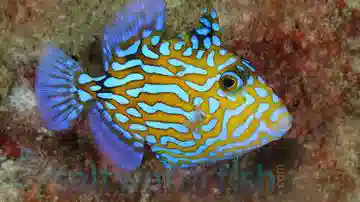
One Saltwaterfish.com reviewer of the Blue Line Trigger shared: “The Blue Line Trigger was received in great shape and has added life to my saltwater aquarium. Thanks.”
Species to avoid if aggression is a concern:
Undulated Triggerfish
Clown Triggerfish
Queen Triggerfish
These species are known for persistent, escalating aggression.
Pro behavior-management tips:
Keep multiple caves or overhangs to minimize competition.
Avoid introducing similarly shaped or colored fish.
Perform consistent feedings at the same time daily to build routine.
Monitor for “peak hours” of aggression (often at dusk) and adjust lighting or feeding accordingly.
Bottom line:
Triggerfish aggression is manageable with proper tank size, steady feeding, smart aquascaping, and thoughtful species selection. By choosing the right trigger and supporting its natural behaviors, you can maintain a balanced, lively aquarium with minimal conflict. For hardy, well-conditioned triggerfish backed by Saltwaterfish.com’s 8-Day Live Guarantee, explore the Triggerfish Collection and find a species that fits your system’s temperament perfectly.
Triggerfish are hardy, long-lived marine fish, and when kept in a stable, well-maintained saltwater aquarium, many species can live 10 to 20 years, with some exceeding two decades in large, established systems. Their lifespan depends heavily on tank size, diet, water quality, and overall stress levels. Because triggerfish are intelligent, active swimmers with strong natural instincts, they thrive best in spacious environments with consistent feeding and secure aquascaping.
Average lifespan of popular triggerfish species:
Bluejaw Triggerfish: 10–15 years in stable aquariums.
Pinktail Triggerfish: 12–18 years with proper diet and swimming space.
Crosshatch Triggerfish: 15–20 years in large tanks (180+ gallons).
Niger Triggerfish: 12–15 years; hardy and commonly kept.
Clown & Undulated Triggerfish: 15+ years, though their aggression makes long-term community housing challenging.
Factors that influence triggerfish lifespan:
Tank size & swimming room: Most triggers require 125–180+ gallons to reduce stress, aggression, and oxygen competition.
Diet quality: A varied, meaty diet (mysis, squid, clams, marine pellets) supports immune health and longevity.
Stable water parameters: Consistent salinity (1.024–1.026), temperature (75–78°F), and strong biological filtration are key.
Behavioral enrichment: Rock structures, caves, and open swimming lanes keep triggers mentally stimulated and less aggressive.
Compatibility: Avoid pairing with timid species that may cause stress cycles.
One Saltwaterfish.com reviewer of the Crosshatch Trigger shared: “Very lovely. I thought Crosshatch Trigger and the damsels were fighting, but it looks like they will seek him out and he will seek them. They seem to play in a way the damsels never did with each other. He stays closer to the bottom and doesn't come up to compete for food. I didn't think he was eating but then I realized my cheto was all but gone. Hungry as a herbivore.”
Pro longevity tips:
Feed a balanced mix of frozen foods, pellets, and shell-on items for dental health.
Introduce triggerfish last to reduce territorial behavior.
Keep lids secure: triggers are powerful and may jump when startled.
Perform routine large-tank maintenance to maintain oxygen and nutrient balance.
Bottom line:
Most triggerfish live 10–20 years in home aquariums when provided with ample space, a varied diet, and clean, stable water conditions. Their long lifespan makes them rewarding centerpiece fish for dedicated aquarists. For hardy, responsibly sourced triggerfish backed by Saltwaterfish.com's 8-Day Live Guarantee, explore the Triggerfish Collection and find a species built for long-term success in your reef or FOWLR system.
Yes, most triggerfish will eat snails, crabs, and other small invertebrates in a home aquarium. Triggerfish have powerful jaws designed to crush shells in the wild, where their natural diet includes crustaceans, mollusks, sea urchins, and other hard-shelled prey. While some species are more reef-compatible than others, it’s important to assume that nearly all triggers have the instinct and the ability to eat snails and crabs if given the chance.
Which triggerfish are most likely to eat snails and crabs?
Clown Triggerfish, Undulated, Queen, and Picasso Triggers: Highly aggressive and almost guaranteed to prey on snails, hermits, and crabs.
Niger Triggerfish (Odonus niger): Often less aggressive but still capable of consuming inverts, especially smaller ones.
Pinktail Triggerfish (Melichthys vidua): Semi-aggressive and unpredictable around mobile inverts.
More invert-friendly options:
Bluejaw, Sargassum, and Crosshatch Triggerfish (Xanthichthys species): These plankton-feeding triggers are the least likely to hunt inverts and are considered the most “reef-safe,” though no triggerfish is 100% guaranteed safe with snails and crabs.
Why triggers target inverts:
Strong jaws evolved for crushing shells
High protein requirements
Natural curiosity and foraging behavior
Hunger or limited feeding schedules
Territorial instincts around food sources
One Saltwaterfish.com reviewer of the Undulated Triggerfish shared: “Very hardy fish,but also very reclusive. Always hiding in the rocks.”
Pro tips for keeping triggers with inverts:
Choose Xanthichthys-genus triggers for the best compatibility.
Keep triggers well-fed with meaty foods to reduce hunting behavior.
Avoid very small snails or hermits, which are easy targets.
Provide plenty of hiding spots for invertebrates.
Never house aggressive species like Undulated or Clown Triggers with crabs or snails.
Bottom line:
Most triggerfish will eat snails and crabs, but some species (especially Bluejaw, Sargassum, and Crosshatch Triggers) are far safer choices for mixed reefs. If invertebrate safety is a priority, choose plankton-feeding triggers, feed generously, and provide ample shelter. Explore Saltwaterfish.com’s triggerfish collection, each backed by our 8-Day Live Guarantee, to find the right balance of personality, color, and compatibility for your aquarium.
Triggerfish are powerful, active swimmers with bold personalities, and they require large, spacious aquariums to thrive. While minimum tank size varies by species, most triggerfish need at least 125 gallons, with many requiring 180 gallons or larger due to their adult size, territorial behavior, and oxygen demands. Choosing the right tank size is one of the most important factors for long-term success. Undersized tanks often lead to aggression, stress, stunted growth, or health issues.
Recommended minimum tank sizes by species:
Bluejaw Triggerfish (Xanthichthys auromarginatus): 125–150 gallons
Sargassum Triggerfish (Xanthichthys ringens): 150 gallons
Crosshatch Triggerfish (Xanthichthys mento): 180+ gallons
Pinktail Triggerfish (Melichthys vidua): 150–180 gallons
Niger Triggerfish (Odonus niger): 125–180 gallons
Picasso Triggerfish (Rhinecanthus aculeatus): 120–150 gallons
Clown & Undulated Triggerfish: 180+ gallons (aggressive, require lots of space)
Why triggerfish need large tanks:
High activity levels: Triggers are constant swimmers that use the entire water column.
Territorial instincts: Larger tanks reduce aggression and allow natural space division.
Rapid growth: Many triggers quickly outgrow small or mid-sized aquariums.
High waste output: Volume helps dilute nutrients and maintain stable chemistry.
Oxygen demand: Big-bodied fish require strong flow and ample oxygenation.
One Saltwaterfish.com reviewer of the Clown Trigger shared: “Very beautiful and very healthy. Haven't had no problems with saltwater.com.”
Pro tank-planning tips:
Provide wide open swimming lanes along with caves and arches.
Use strong, oxygen-rich flow: triggers excel in well-circulated tanks.
Add triggerfish last to reduce territorial behavior.
Avoid narrow or vertical tanks; long horizontal space is more important.
- Ensure lids are secure: triggers are strong and may jump when startled.
Bottom line:
Most triggerfish need 125–180+ gallons to live healthy, active lives in captivity. Larger, plankton-feeding species like the Crosshatch require the most space, while smaller species still need substantial room due to their adult size and behavior. For healthy, sustainably sourced triggerfish backed by Saltwaterfish.com’s 8-Day Live Guarantee.
Triggerfish can grow surprisingly large in home aquariums, with most species reaching 8 to 12 inches, and some exceeding 14–18 inches when provided with a spacious tank, strong nutrition, and stable water conditions. Because they are powerful, long-lived marine fish, understanding their adult size is essential for proper tank planning. Many triggers sold as small juveniles quickly grow into robust, muscular swimmers that require large aquascapes and open swimming lanes.
Average adult sizes of popular triggerfish species:
Bluejaw Triggerfish: 8–10 inches
Niger Triggerfish: 10–12 inches, occasionally up to 14 inches
Pinktail Triggerfish: 12–14 inches
Picasso Triggerfish: 8–10 inches
Crosshatch Triggerfish: 10–12 inches
Clown Triggerfish: 14–18 inches (one of the largest commonly kept species)
Undulated Triggerfish: 10–12 inches but extremely bulky and territorial
These sizes reflect what hobbyists experience in captivity. Most triggerfish reach near-wild size when housed in tanks 125–180+ gallons with a protein-rich diet and secure rockwork.
Factors that influence triggerfish growth:
Tank size: Larger tanks allow natural swimming patterns, which directly impacts growth rate and longevity.
Diet quality: High-protein foods like mysis, clams, krill, and marine carnivore pellets support strong muscle and jaw development.
Stress levels: Reduced aggression and stable tankmates lead to healthier long-term growth.
Water quality: Stable salinity, strong flow, and low nitrate environments promote consistent development.
One Saltwaterfish.com reviewer of the Bursa Trigger shared: “What a beautiful Fish\! The images on the website do not do this marine life justice. The Bursa Trigger was hungry and ate right away.”
Pro size-management tips:
Plan for adult size: triggers grow faster than many hobbyists expect.
Provide open swimming lanes and multiple caves to reduce territorial disputes.
Feed varied meaty foods to support natural, balanced growth.
Avoid cramped tanks; they lead to stunting, aggression, and health decline.
Secure all lids: larger triggers are powerful and can jump when startled.
Bottom line:
Most triggerfish reach 8–14 inches in captivity, with some species exceeding 16 inches under ideal conditions. Their impressive size and long lifespan make them rewarding but space-demanding marine fish. For healthy, captive-conditioned triggerfish backed by Saltwaterfish.com’s 8-Day Live Guarantee.
Triggerfish are active, high-metabolism predators that thrive on frequent, protein-rich meals. Because they burn a lot of energy swimming, exploring, and interacting with their environment, they require consistent feeding to maintain health, color, and proper behavior. In captivity, most triggerfish should be fed once to twice per day, with juveniles often needing more frequent feedings than adults. A regular schedule not only supports their nutritional needs but also reduces aggression and keeps them engaged.
General feeding frequency guidelines:
Juvenile triggerfish: 2–3 small meals per day
Adult triggerfish: 1–2 generous meals per day
Large, slow-growing species: 1 meal per day with occasional enrichment feedings
Consistent feeding helps prevent natural foraging behaviors from turning into aggression toward tankmates. It also ensures steady growth and supports the demanding nutritional needs of their strong jaws and constantly moving body.
Ideal foods to rotate throughout the week:
Mysis shrimp, krill, and chopped squid
Clams on the half shell, shell-on shrimp (for dental health)
High-quality marine carnivore pellets
Silversides or marine fish meat
Occasional fresh seafood treats
One Saltwaterfish.com reviewer of the Black Trigger shared: “This trigger took about 5 days to warm up to everyone, but was always a good eater. He is in a tank with a porcupine puffer and a fox face, all doing great. Saltwaterfish is a go to place for great additions to my tanks. You rock\!\!\!”
Pro feeding tips:
Offer shell-on foods weekly to help keep teeth worn naturally.
Feed at the same time daily: routine reduces anxiety and aggression.
Use target feeding or feed at opposite ends of the tank to prevent competition.
Remove uneaten food within minutes to protect water quality.
- Avoid overfeeding: triggers are enthusiastic eaters but need balanced portions.
Bottom line:
Most triggerfish thrive on 1–2 meaty meals per day, with juveniles needing slightly more frequent feedings. A varied, high-protein diet supports strong growth, bold coloration, and calmer behavior. For healthy, sustainably sourced triggerfish backed by Saltwaterfish.com’s 8-Day Live Guarantee, explore the full Triggerfish Collection and find the perfect species for your aquarium.
Setting up a tank for triggerfish requires planning, stability, and plenty of space. Triggerfish are intelligent, strong-bodied swimmers with bold personalities, and their environment must support both their physical energy and natural territorial instincts. A proper setup helps reduce aggression, maintain health, and ensure long-term success for these impressive marine fish.
Core elements of a proper triggerfish tank setup:
Tank Size & Layout
Most triggerfish need 125–180+ gallons depending on the species. These fish use the entire water column, so choose a tank with long horizontal swimming space. Include caves, arches, and overhangs to mimic natural hiding areas while still leaving open lanes for movement.
Rockwork Stability
Triggerfish are notorious for rearranging their environment. Use secure, interlocking rock structures that cannot be toppled. Epoxy or zip ties can help lock formations in place.
Strong Filtration & Flow
Triggers produce significant waste. Use high-capacity filtration, a protein skimmer, and strong, oxygen-rich flow. Moderate–high circulation supports their active swimming patterns and helps maintain pristine water.
Durable Equipment Only
Triggers can bite cords, heaters, and pumps. Use protected wiring, heater guards, and ensure all equipment is firmly secured.
Substrate & Décor
A simple sandbed works best. Avoid delicate corals around aggressive trigger species, though plankton-feeding varieties may coexist in soft or LPS-dominated reefs.
One Saltwaterfish.com reviewer of the Humu Picasso Trigger shared: “Love this cool-looking fish\! Peaceful, with a ton of personality. He'll come up to the long handled food dispenser and nibbles from it. Sleeps in the same spot in a crevice on 1 of my live rocks. Love this fish.”
Pro setup tips:
Add triggerfish last to prevent early territorial dominance.
Keep a tight-fitting lid: triggers can jump or hit lids hard.
Offer multiple caves to distribute territory evenly.
Use bright, open spaces combined with shaded areas for exploration.
Perform regular water changes to handle heavy bioload.
Bottom line:
A successful triggerfish tank prioritizes space, stability, strong filtration, and secure structures. When their environment supports natural behavior, triggerfish become hardy, interactive centerpiece fish. For healthy, conditioned triggerfish backed by Saltwaterfish.com’s 8-Day Live Guarantee.
Triggerfish are bold, charismatic saltwater fish, and several species have become especially popular among hobbyists due to their hardiness, personality, and adaptability to home aquariums. While some triggers are best suited for advanced keepers because of size or aggression, many species thrive in large FOWLR (Fish-Only-With-Live-Rock) systems and even certain reef environments when carefully selected.
Most commonly kept triggerfish in home aquariums:
Niger Triggerfish (Odonus niger)
A long-time hobby favorite thanks to its deep purple coloration, graceful swimming style, and generally mild temperament compared to other aggressive triggers. Great for large community FOWLR tanks.
Bluejaw Triggerfish (Xanthichthys auromarginatus)
One of the most reef-compatible triggers. Plankton-feeding and relatively peaceful, it adapts well to large reef tanks. Males display a striking blue “jaw” that becomes more vibrant with age.
Picasso Triggerfish (Rhinecanthus aculeatus)
Renowned for its bold patterns and outgoing personality. Highly interactive, but semi-aggressive; best kept in spacious FOWLR systems with robust tankmates.
Pinktail Triggerfish (Melichthys vidua)
Colorful, hardy, and semi-aggressive. A good choice for advanced beginners in larger marine systems looking for a strong, attractive centerpiece fish.
Crosshatch Triggerfish (Xanthichthys mento)
Considered a “dream fish” for many aquarists. Peaceful, active, and beautifully patterned, but requires a large tank (180+ gallons) and is typically a premium species.
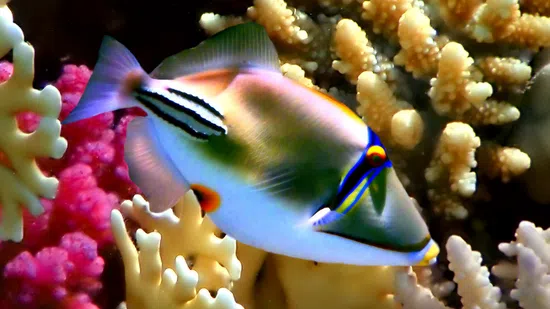
One Saltwaterfish.com reviewer of the Niger Trigger shared: “Really nice trigger got kinda small hoping he will leave coral alone awesome fish.”
Pro selection tips:
Choose Xanthichthys species (Bluejaw, Crosshatch, Sargassum) for the best reef compatibility.
Avoid aggressive species like Undulated or Clown Triggers unless keeping a large, single-species tank.
Plan tank size around adult triggerfish size, not juveniles. Most reach 8–14 inches.
- Feed a varied meaty diet to reduce aggression and support long-term health.
Bottom line:
The most commonly kept triggerfish include the Niger, Bluejaw, Picasso, Pinktail, and Crosshatch Triggerfish, each offering unique color, personality, and care needs. These hardy, active swimmers make incredible centerpiece fish when given ample space and proper care. For responsibly sourced, conditioned triggerfish backed by Saltwaterfish.com’s 8-Day Live Guarantee.
Triggerfish are not strictly seasonal in the way some marine species are, but their availability in the aquarium trade can fluctuate throughout the year due to factors such as weather, ocean conditions, shipping routes, and regional collection regulations. While triggerfish themselves are hardy and present in the wild year-round, hobbyists may notice times when certain species are more abundant (or temporarily harder to find) depending on natural cycles and global supply conditions.
Why triggerfish availability can seem seasonal:
Regional weather patterns
Storm seasons in areas like Fiji, Indonesia, and the Philippines can temporarily limit safe collection. During these periods, triggerfish such as Pinktails or Niger Triggers may be less available.
Fishing and export regulations
Some regions enforce seasonal restrictions on reef collection to protect spawning cycles and local fisheries. These sustainable practices help keep wild populations healthy, but can reduce supply at certain times.
Shipping logistics
Heat waves, cold snaps, and holiday shipping delays can all influence when livestock is moved. Suppliers often avoid collecting or exporting during dangerous weather windows to ensure fish arrive in healthy condition.
Specific species behaviors
Certain triggers, especially pelagic species like the Crosshatch Triggerfish, may be easier to collect during calmer ocean periods when schools swim closer to accessible areas.
One Saltwaterfish.com reviewer of the Clown Trigger shared: “Incredible Trigger. Seems to get along with everyone in the tank. No problems eating and a great swimmer.”
Pro hobbyist tips:
Check Saltwaterfish.com regularly for seasonal imports.
Sign up for the newsletter to get early notice when rare triggers (like Crosshatch or Sargassum) come in.
If a desired species is out of stock, watch for replenishments after seasonal storms pass.
Be flexible: availability can change week-to-week due to global conditions.
Bottom line:
Triggerfish themselves are not seasonal, but their availability in the aquarium trade can shift with weather, regulations, and shipping conditions. For a consistently updated selection of healthy, sustainably sourced triggerfish backed by Saltwaterfish.com’s 8-Day Live Guarantee, explore the Triggerfish Collection and check back often for new arrivals.
Choosing the right tankmates for triggerfish is essential for maintaining harmony in a saltwater aquarium. Because triggers are bold, intelligent, and often territorial, they do best with robust, confident fish that can hold their own. The best companions are species that match the trigger’s size, swimming style, and activity level while being sturdy enough to handle the occasional burst of dominance.
Best tankmates for triggerfish:
Tangs (Surgeonfish)
Active, fast-swimming, and similarly sized, tangs make excellent companions. Yellow Tangs, Kole Tangs, and Blue Hippo Tangs are all commonly paired with triggers.
Large Angelfish
Emperor, Majestic, Blueface, and Queen Angelfish coexist well with many triggerfish species, especially in larger tanks (180+ gallons).
Wrasses (larger species)
Harlequin, Melanurus, and Banana Wrasses are great choices. They are quick, alert, and unlikely to be bullied.
Groupers & Snappers
In large FOWLR setups, species like Miniatus Groupers or Red Snappers can cohabitate with triggers due to their similar size and temperament.
Hawkfish & Rabbitfish
These fish are sturdy, observant, and generally well-tolerated by triggers.
More peaceful triggers (Xanthichthys genus)
Species like Bluejaw, Crosshatch, and Sargassum Triggers pair well with each other in extremely large tanks because they feed in the water column rather than on the reef.
One Saltwaterfish.com reviewer of the Humu Picasso Trigger shared: “Might be my favorite fish in my tank. I got one about 1” and is the tank “tough guy”. He wanders all around the tank and when gets too close to one of my damsels spots just ignores the damsels attempts to chase him away. I just got a clown fish that clings to his side. Fun to watch and has a big personality.”
Tankmates to avoid:
Small gobies or blennies
Shrimp, crabs, and most snails (triggers will eat them)
Slow-moving fish like seahorses or mandarins
Delicate or timid species that can’t handle assertive tankmates
Other aggressive triggers such as Undulated or Clown Triggers (unless in massive tanks)
Pro compatibility tips:
Add triggerfish last to reduce territorial issues.
Provide multiple caves and swim-throughs to disperse aggression.
Keep tank size appropriate: most mixed communities need 150+ gallons.
Feed generously; well-fed triggers are less likely to harass tankmates.
Match temperament: pair calm triggers with calm tankmates, aggressive with aggressive.
Bottom line:
Good companions for triggerfish are large, confident, fast-moving species such as tangs, angels, wrasses, groupers, and rabbitfish. By choosing sturdy tankmates and providing plenty of space, triggerfish can coexist peacefully and become standout personalities in a thriving marine community. For healthy, conditioned triggerfish backed by Saltwaterfish.com’s 8-Day Live Guarantee, explore the Triggerfish Collection today.
Triggerfish are hardy, adaptable marine fish, but they thrive best in clean, stable, high-quality water conditions with consistent parameters. Because they are large, active swimmers with high metabolisms, they produce more waste than many other species making strong filtration and regular maintenance essential. Maintaining proper water chemistry not only supports growth and coloration but also minimizes stress and aggression.
Ideal water parameters for triggerfish:
Temperature: 75–78°F
Salinity: 1.024–1.026 specific gravity
pH: 8.1–8.4
Ammonia & Nitrite: 0 ppm (triggers are sensitive to spikes)
Nitrate: \<20–30 ppm (lower for reef systems)
Alkalinity: 8–9.5 dKH
Water Flow: Moderate to strong, oxygen-rich circulation
Tank Size: 125–180+ gallons depending on species
Triggerfish benefit from large volumes of water, robust biological filtration, and a dependable protein skimmer. These systems help manage their substantial bioload and maintain oxygen levels needed for active swimmers. Regular water changes (15–25% every 2–4 weeks) keep nutrients under control and prevent conditions that could trigger aggression or illness.
Why stable water conditions matter:
Triggers are energetic and require plenty of oxygen.
Sudden shifts in salinity or temperature cause stress-related behaviors.
High nitrate levels can dull coloration and suppress immune function.
Clean water reduces aggression by minimizing environmental stress.
One Saltwaterfish.com reviewer of the Clown Trigger shared: “I have owned many fish and the one I love is the Clown trigger. They are fabolus friends and a couple of them took right from my hand. These here are the cheapest ones I have seen online in a long time.I have owned many fish and the one I love is the Clown trigger. They are fabolus friends and a couple of them took right from my hand. These here are the cheapest ones I have seen online in a long time.”
Pro water-quality tips:
Use a high-quality protein skimmer to handle heavy waste output.
Ensure strong surface agitation for oxygen exchange.
Secure rock structures: triggers often dig or move sand.
Test water weekly, especially in heavily stocked tanks.
- Perform consistent water changes to maintain stability.
Bottom line:
Triggerfish need clean, oxygen-rich, stable saltwater conditions to thrive, along with strong filtration and plenty of space. Maintaining proper parameters supports their long-term health, bold coloration, and lively behavior. For healthy, professionally conditioned triggerfish backed by Saltwaterfish.com’s 8-Day Live Guarantee, explore the Triggerfish Collection and choose a species that fits your tank’s water-quality capabilities.