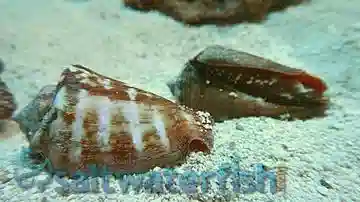
Conchs In Saltwater Aquariums: FAQ
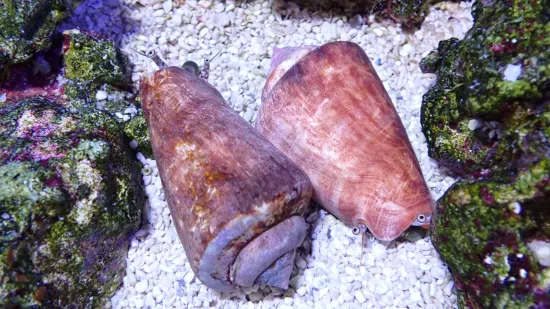
Conchs is a sand-dwelling marine snail (family Strombidae) that behaves very differently from most “cleanup crew” snails. Instead of spending its life on glass and rockwork, a conch is a substrate grazer that cruises the sandbed using a distinctive hopping motion powered by a muscular foot. In reef and FOWLR systems, conchs are valued because they’re functional, peaceful, and surprisingly entertaining to watch.
Yes, you can absolutely keep a conch in a saltwater aquarium, and for many tanks it’s one of the most useful invertebrates you can add. The key is matching the conch to the right environment: conchs need sand, space, and enough naturally occurring film algae and detritus to graze. In brand-new or ultra-sterile tanks, the most common issue isn’t disease, it’s slow starvation because the sandbed simply doesn’t produce enough food yet.
One Saltwaterfish.com reviewer of the Fighting Conch shared: “Good Size went right to work after acclimation.”
Bottom line:
Conchs are functional, reef-safe sand cleaners that thrive in large, mature saltwater aquariums with established sandbeds. They offer real utility, unique behavior, and long-term value when chosen responsibly. For tank-conditioned conchs backed by Saltwaterfish.com’s 8-Day Live Guarantee, explore the Conch Collection and add a hardworking, personality-filled invertebrate to your aquarium with confidence.
Yes, conchs are excellent cleaners for one specific job: keeping the sandbed grazed and active. They’re not an all-purpose cleanup crew replacement, but they’re one of the most effective “substrate specialists” you can add to a reef or FOWLR tank with open sand.
Conchs spend their time eating surface film, diatoms, and organic debris on and just beneath the sand. As they move, they also gently turn the substrate, which can help keep sand looking brighter and reduce the buildup that makes a tank appear “dirty” even when water parameters are fine. This is especially useful in larger tanks where manual sand cleaning is harder to keep up with.
Where hobbyists go wrong is expecting conchs to solve everything. Conchs won’t meaningfully clean glass, won’t target hair algae, and won’t replace a full cleanup crew. Their value is narrow but within that narrow lane, they’re extremely effective when there’s enough natural grazing available.
One Saltwaterfish.com reviewer of the Strawberry Conch shared: “GREAT SELLER.”
Bottom line:
Conchs are great cleaners when your goal is a cleaner, more naturally maintained sandbed. Treat them as a focused sandbed grazer (not a magic janitor), and they’re one of the best functional snails in the hobby. For responsibly sourced, tank-conditioned conchs backed by Saltwaterfish.com’s 8-Day Live Guarantee.
Several conch species are reef safe and highly beneficial when added to the right saltwater aquarium. The key is choosing true sand-grazing conchs that feed on diatoms, film algae, and detritus, not predatory or coral-disturbing species. When matched correctly to tank size and maturity, conchs are among the most effective and low-risk sandbed cleaners available.
Best reef-safe conchs for home aquariums:
Tiger Conch *(Strombus maculatus) — Best overall choice
This is the most popular and widely recommended conch for reef tanks.
Excellent sandbed cleaner
Peaceful and completely reef safe
Active grazer with a manageable adult size
Best for 75+ gallon mature reef tanks
Tiger Conchs are hardy, long-lived, and adapt well when sufficient natural algae is available.
Fighting Conch (Strombus alatus) — Large tank option
Despite the name, Fighting Conchs are not aggressive.
Strong sandbed grazer
Grows larger than Tiger Conchs
Requires larger tanks (100+ gallons) with ample sand and food
Best suited for established systems with plenty of open substrate.
Queen Conch *(Lobatus gigas) — Not recommended for most reefs
While often sold to hobbyists, Queen Conchs:
Grow very large
Consume massive amounts of algae
Commonly starve in home aquariums
They are not recommended for typical reef tanks due to size and feeding demands.
What makes a conch reef safe:
Feeds on algae and detritus, not corals
Peaceful toward fish and invertebrates
Stays primarily on the sandbed
Does not burrow aggressively or topple rockwork
One Saltwaterfish.com reviewer of the Fighting Conch shared: “Very nice. Exactly as described. Arrived healthy.”
Pro tips for choosing the right conch:
Add conchs only to mature tanks (6+ months)
Avoid overstocking (1 conch per 75–100 gallons)
Ensure a true sandbed is present
Supplement feeding if sand becomes too clean
- Protect from aggressive fish or crabs
Bottom line:
For reef tanks, Tiger Conchs and Fighting Conchs are the best and safest choices, offering real sandbed-cleaning benefits without risking corals or fish. Avoid oversized species like Queen Conchs unless you have a very large, specialized system. For responsibly sourced, tank-conditioned conchs backed by Saltwaterfish.com’s 8-Day Live Guarantee, explore the Conch Collection and choose the right grazer for your reef with confidence.
Conchs are moderately hardy and can be suitable for beginners, but only under the right conditions. They are not “plug-and-play” cleanup crew animals like some snails, yet they are far from expert-only invertebrates. When added to a properly sized, mature saltwater aquarium, conchs are resilient, low-maintenance, and very rewarding, even for newer hobbyists who understand their basic needs.
Why conchs can work for beginners:
Hardy once established
Reef-safe conchs like Tiger Conchs adapt well to stable aquarium conditions and tolerate normal reef water parameters without issue.
Simple care requirements
Conchs do not require special lighting, dosing, or advanced equipment. Their primary needs are:
A sandbed
A mature tank (6+ months old)
Adequate natural food on the substrate
When these conditions are met, ongoing care is minimal.
Peaceful and reef safe
Conchs do not attack fish, corals, or other invertebrates, making them low-risk additions to mixed reef tanks.
Why conchs can challenge true beginners:
They can starve in new or overly clean tanks
The most common conch loss is slow starvation, not disease. Tanks that are too new or aggressively “polished” often lack the algae and detritus conchs rely on.
Tank size matters
Many conch species require 75+ gallons long term. Smaller tanks may not produce enough food to sustain them.
Not interchangeable with snails
Conchs specialize in sandbed cleaning and cannot replace a full cleanup crew. Beginners who expect “total cleaning” may be disappointed without proper planning.
One Saltwaterfish.com reviewer of the Strawberry Conch shared: “My favorite thing in this shipment- super active and healthy\!”
Pro tips for beginner success with conchs:
Start with a Tiger Conch
Add only to established aquariums
Stock conservatively (1 conch per 75–100 gallons)
Supplement feeding if the sand becomes too clean
Protect from aggressive crabs or triggerfish
Bottom line:
Conchs are hardy enough for beginners, provided the tank is mature, appropriately sized, and has a healthy sandbed. They are not ideal for brand-new setups, but for hobbyists past the initial cycling phase, conchs are reliable, reef-safe, and highly effective sand cleaners. For responsibly sourced, tank-conditioned conchs backed by Saltwaterfish.com’s 8-Day Live Guarantee, explore the Conch Collection and add one with confidence, regardless of experience level.
Yes, commonly kept aquarium conchs are considered reef safe and are widely used in mixed reef tanks. They don’t nip corals, don’t sting, and don’t prey on fish or other invertebrates. Their behavior is focused almost entirely on the sandbed, where they graze on film algae, diatoms, and organic debris.
The “reef safe” caveat with conchs isn’t what they do to your reef, it’s what your reef can do to them. Conchs are slow-moving snails, so aggressive predators like triggers, puffers, or certain large crabs can harass or kill them. In a typical reef-safe community, though, conchs are low-risk additions that coexist peacefully with SPS, LPS, and soft corals.
One Saltwaterfish.com reviewer of the Fighting Conch shared: “Great shape when it arrived. Got to work within minutes. I have about 5 Fighting Conchs. They don't fight. Not sure why they are named "Fighting". It was about 1".”
Bottom line:
Conchs are reef safe, peaceful, and genuinely beneficial for maintaining clean, healthy sandbeds in reef aquariums. When added to mature systems with adequate space and food, they provide functional value without risking corals or fish. For responsibly sourced, tank-conditioned conchs backed by Saltwaterfish.com’s 8-Day Live Guarantee.
Aquarium conchs are natural sandbed grazers that feed primarily on organic material found on and within the substrate, not prepared foods or coral tissue. Their diet is one of the main reasons they are so valued in reef tanks, but it’s also why they must be placed in mature, appropriately sized aquariums to avoid starvation.
Primary foods aquarium conchs eat:
Diatoms and film algae (main staple)
Conchs spend most of their time grazing on:
Brown diatoms
Green film algae
Biofilm coating sand grains
This constant grazing helps keep sandbeds clean and visually bright.
Detritus and organic debris
As conchs move across the substrate, they consume:
Trapped fish waste
Uneaten food particles
Decaying organic matter
This makes them excellent functional cleaners, not just ornamental snails.
Cyanobacteria residue (limited)
While conchs are not a cure for cyano outbreaks, they may consume light surface growth as part of normal grazing.
*What conchs do not eat:
Coral tissue (SPS, LPS, or soft corals)
Hair algae or macroalgae
Live rock algae in significant amounts
Meaty foods as a primary diet
Because of this, conchs should never be relied on in new or ultra-clean tanks where natural sandbed food is limited.
Do conchs need supplemental feeding?
In very clean or heavily stocked tanks, conchs may require occasional supplementation:
Sinking algae wafers (broken into small pieces)
Dried seaweed placed on the sandbed
These should be used sparingly to avoid nutrient spikes.
One Saltwaterfish.com reviewer of the Fighting Conch shared: “Great shape. Small but healthy.”
Pro tips to prevent conch starvation:
Add conchs only to mature tanks (6+ months)
Stock conservatively (1 conch per 75–100 gallons)
Monitor sandbed cleanliness: too clean is a warning sign
- Avoid aggressive competitors for sandbed food
Bottom line:
Aquarium conchs eat diatoms, film algae, and detritus from the sandbed, making them some of the most effective reef-safe sand cleaners available. As long as they’re placed in a mature aquarium with sufficient natural food, conchs are hardy, low-maintenance, and highly beneficial. For responsibly sourced, tank-conditioned conchs backed by Saltwaterfish.com’s 8-Day Live Guarantee.
Pet conchs can grow significantly larger than many hobbyists expect, and adult size varies widely by species. While they’re often sold as small, palm-sized snails, conchs are long-lived, continuously growing invertebrates, which makes planning for adult size essential, especially in reef tanks where space and food availability matter.
Typical adult sizes of common aquarium conchs:
Tiger Conch *(Strombus maculatus)
Adult size: \~4–6 inches
The most popular reef-safe option
Manageable size for home aquariums
Best suited for 75+ gallon mature reef tanks
Fighting Conch (Strombus alatus)
Adult size: \~5–7 inches
Slightly bulkier than Tiger Conchs
Requires more sandbed and food
Better for 100+ gallon systems
Queen Conch (Lobatus gigas)
Adult size: 10–12+ inches
Extremely fast-growing
Consumes massive amounts of sandbed algae
Not recommended for most home aquariums
Why conch size matters in reef tanks:
Food availability scales with size
Larger conchs require more diatoms, film algae, and detritus. In smaller tanks, this often leads to slow starvation, even when water quality is excellent.
Space and sandbed area are critical
Conchs are sand specialists. Tanks without sufficient open substrate cannot support larger species long term.
Oversized species are commonly rehomed
Queen Conchs are one of the most frequently surrendered invertebrates due to outgrowing home systems.
One Saltwaterfish.com reviewer of the Fighting Conch shared: “Fighting Conch Great addition to 28g Biocube reef tank. Very healthy and active. Add great color to coral tank.”
Pro tips for choosing the right conch size:
Plan for adult size, not store size
Choose Tiger Conchs for most reef tanks
Avoid Queen Conchs unless you have a very large system
Stock conservatively (1 conch per 75–100 gallons)
Monitor sandbed food availability regularly
Bottom line:
Most pet conchs grow 4–7 inches, while some species can exceed 10 inches, making species selection critical. For the majority of reef aquariums, Tiger Conchs are the safest and most sustainable choice. For responsibly sourced, tank-conditioned conchs backed by Saltwaterfish.com’s 8-Day Live Guarantee, explore the Conch Collection and choose a size that fits your reef long term with confidence.
Conchs are not hard to keep, but they are easy to lose if you treat them like generic snails. The main reason conchs fail isn’t water chemistry or disease, it’s food availability. Conchs are sandbed grazers that rely on naturally occurring film algae, diatoms, and organic debris, so tanks that are too new or too aggressively “polished” can’t sustain them long term.
Once a conch is placed into a stable system with an active sandbed, they’re typically low-maintenance. They don’t need special lighting, don’t require dosing, and don’t demand constant attention. Most of the “difficulty” is simply choosing the right species and stocking conservatively so there’s enough grazing material available.
Bottom line:
Conchs are easy to keep for most hobbyists when added to mature, appropriately sized aquariums with healthy sandbeds. They are not difficult animals, they simply require the right conditions to thrive. For responsibly sourced, tank-conditioned conchs backed by Saltwaterfish.com’s 8-Day Live Guarantee, explore the Conch Collection and add a reliable, reef-safe sand cleaner to your aquarium with confidence.
Yes, conchs do burrow in sand tanks, and this behavior is completely normal, healthy, and beneficial. In fact, a conch burrowing into the substrate is usually a positive sign that it feels secure and is behaving naturally. Unlike animals that bury themselves to hide due to stress, conchs burrow as part of their feeding, resting, and protection routines.
Why conchs burrow in sand:
Natural foraging behavior
Conchs are sandbed specialists. As they move across the substrate, they often partially bury themselves while grazing on:
Diatoms
Film algae
Detritus trapped between sand grains
This shallow burrowing allows them to access food sources that other cleanup crew members miss.
Resting and protection
Conchs may burrow when:
Lights are off
They are resting
They feel threatened by fish movement
Burying helps protect their soft body and conserves energy.
Sandbed health benefits
As conchs burrow and move, they:
Gently turn over the sand
Improve oxygen penetration
Help prevent compacted or stagnant areas
This makes them excellent contributors to overall sandbed health in reef aquariums.
How deep do conchs burrow?
Conchs typically burrow partially, not deeply. You may see:
Only the shell visible
Eye stalks protruding from the sand
The conch re-emerge later to continue grazing
Extended periods completely buried can sometimes indicate limited food availability, but occasional burrowing is normal.
When burrowing may signal a problem:
Conch remains buried for several days without movement
Tank is newly set up or extremely clean
Signs of starvation or inactivity
Pro tips for healthy burrowing behavior:
Maintain a fine to medium sandbed
Use mature tanks (6+ months old)
Avoid bare-bottom setups
- Ensure adequate natural sandbed food
Bottom line:
Yes, conchs burrow and that’s a good thing. Burrowing is a natural behavior that supports feeding, safety, and sandbed health. In a mature reef tank with proper substrate, conch burrowing is a sign of a well-functioning cleanup crew member. For responsibly sourced, tank-conditioned conchs backed by Saltwaterfish.com’s 8-Day Live Guarantee, explore the Conch Collection and add a reef-safe sand grazer with confidence.
A healthy pet conch is active, responsive, and consistently grazing, and learning to recognize these signs is key to long-term success. Because conchs are quiet, slow-moving invertebrates, their health is often judged by behavior and appearance rather than dramatic changes. The good news is that healthy conchs are easy to spot once you know what to look for.
Key signs of a healthy aquarium conch:
Regular movement across the sandbed
Healthy conchs are active grazers. You should see your conch:
Moving steadily across the substrate
Leaving clean grazing tracks in the sand
Changing locations throughout the day or night
Periods of rest or brief burrowing are normal, but long-term inactivity is not.
Strong, extended foot and eye stalks
A healthy conch will extend:
A large, muscular foot for movement
Clear, alert eye stalks that retract quickly if disturbed
This responsiveness indicates good energy levels and neurological health.
Normal burrowing behavior
Occasional partial burrowing (especially at night) is a positive sign and part of natural behavior. Healthy conchs will re-emerge regularly to continue grazing.
Intact shell and operculum
The shell should be:
Free of cracks or erosion
Consistent in color
Firmly attached to the animal
Shell damage or thinning can indicate nutritional issues or long-term stress.
Good body weight and posture
The conch’s body should fill the shell opening well. A sunken or undersized appearance may signal starvation.
Signs of potential problems:
No movement for several days
Falling onto its back and failing to right itself
Pale, receding tissue
Remaining buried continuously
Pro tips to keep your conch healthy:
Add conchs only to mature tanks (6+ months)
Stock conservatively (1 conch per 75–100 gallons)
Ensure a healthy sandbed with natural food
Supplement feeding if sand becomes too clean
- Protect from aggressive fish or crabs
Bottom line:
A healthy pet conch is active, alert, grazing regularly, and responsive. Monitoring movement, burrowing habits, and body condition will help you catch issues early and ensure long-term success. For responsibly sourced, tank-conditioned conchs backed by Saltwaterfish.com’s 8-Day Live Guarantee, explore the Conch Collection and keep your reef’s sandbed thriving with confidence.