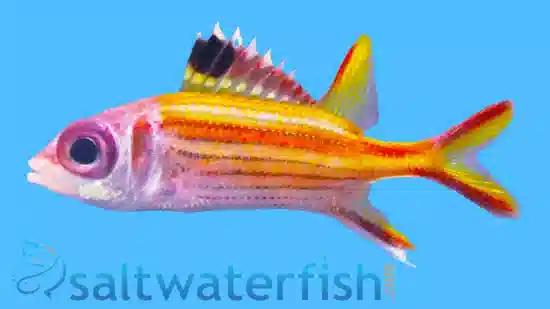


Squirrelfish In Saltwater Aquariums: FAQ
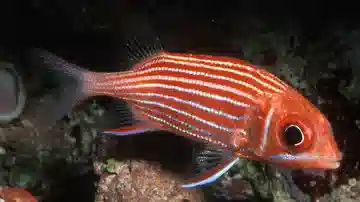
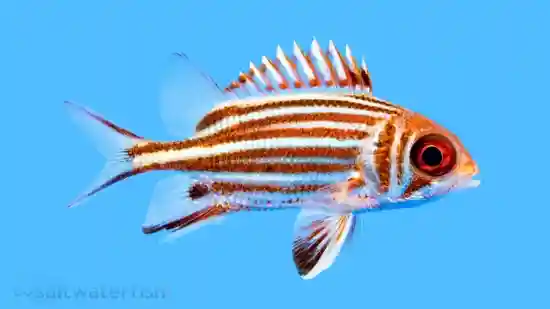
Squirrelfish are nocturnal saltwater fish belonging to the family Holocentridae, known for their large reflective eyes, bold red or silver coloration, and preference for caves and shaded reef areas. In the wild, squirrelfish spend most of the day hidden within reef crevices and emerge at dusk to hunt, giving them a distinctly different behavior pattern than most daytime reef fish.
What makes squirrelfish unique in aquariums?
Large eyes and night activity
Squirrelfish have oversized eyes adapted for low-light conditions, which is why they are most active after lights go out. Many hobbyists enjoy observing them during evening hours when other fish settle down.
Peaceful but predatory nature
Squirrelfish are generally peaceful toward similarly sized fish, but they are natural carnivores. They feed on small crustaceans and will eat shrimp, crabs, and other small invertebrates if given the chance.
Hardy and long-lived
Once acclimated, squirrelfish are considered hardy and resilient, often living 10+ years in well-maintained aquariums. They tolerate standard marine water parameters well when provided with stable conditions.
Size and space considerations
Most commonly kept squirrelfish grow 7–10 inches, with some species getting larger. Because they are thick-bodied and prefer structure, they require tanks with ample live rock and hiding spaces.
Are squirrelfish good for saltwater aquariums?
Yes, squirrelfish are excellent for FOWLR and large mixed-fish tanks, especially for hobbyists who appreciate unique behavior over constant daytime activity. They are not ideal for reef tanks with decorative shrimp or small invertebrates and may disappoint aquarists seeking highly visible fish during daylight hours.
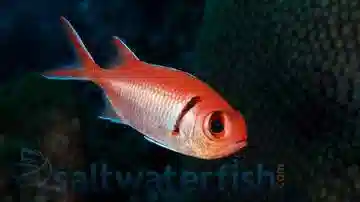
One Saltwaterfish.com reviewer of the Bigeye Soldierfish shared: “A gorgeous healthy Bigeye Soldierfish. Arrived quickly and adapted quickly. Likes to hang out with my Mimic Tang. I purchased three different species and everyone is doing well\!”
Pro tips for keeping squirrelfish successfully:
Provide caves and shaded areas
Feed meaty foods after lights out
Avoid housing with small shrimp or crabs
Use moderate lighting or aquascapes with overhangs
Bottom line:
Squirrelfish are hardy, peaceful, nocturnal saltwater fish that add personality and nighttime interest to large aquariums. They are best suited for fish-focused systems where their natural behavior can be appreciated. For responsibly sourced, tank-conditioned squirrelfish backed by Saltwaterfish.com’s 8-Day Live Guarantee, explore the Squirrelfish Collection and decide confidently whether this unique species fits your aquarium goals.
Squirrelfish are not considered fully reef safe, especially in traditional reef tanks that include shrimp, crabs, or other small invertebrates. While they are generally peaceful toward corals and larger fish, squirrelfish are natural nocturnal predators, and their feeding behavior makes them a risk in many reef environments.
Why squirrelfish are not reef safe:
They eat small invertebrates
In the wild, squirrelfish hunt at night for:
Shrimp
Crabs
Small crustaceans
Other benthic invertebrates
In a reef tank, this means decorative shrimp, small crabs, and parts of the cleanup crew are very likely to disappear over time, often after lights go out.
Corals are usually safe (with caveats)
Squirrelfish do not actively graze on coral tissue, and most hobbyists report no direct coral damage. However:
They may accidentally knock over frags when emerging from caves
Heavily fed individuals are less likely to sample coral polyps
They are best described as coral-safe but invertebrate-unsafe.
Nocturnal behavior complicates reef compatibility
Because squirrelfish feed at night, losses often occur unseen. Hobbyists may initially think the fish is reef safe, only to notice missing invertebrates weeks later.
Where squirrelfish do best instead:
FOWLR and large mixed-fish systems
Squirrelfish thrive in tanks that prioritize fish over invertebrates, where:
Shrimp and crabs are not relied upon
Rockwork provides caves and shaded areas
Tank mates are similar in size and temperament
These environments allow squirrelfish to display natural behavior without risking valuable reef livestock.
Pro tips if keeping squirrelfish in a reef-adjacent setup:
Expect eventual loss of shrimp and crabs
Secure coral frags firmly
Feed meaty foods after lights out
- Avoid nano or heavily stocked reef tanks
Bottom line:
Squirrelfish are not truly reef safe due to their appetite for small invertebrates, even though they typically leave corals alone. They are best suited for FOWLR or large mixed-fish aquariums, where their nocturnal personality can be enjoyed without compromising a cleanup crew. For responsibly sourced, tank-conditioned squirrelfish backed by Saltwaterfish.com’s 8-Day Live Guarantee.
The best tank mates for squirrelfish are peaceful to semi-aggressive fish that are similar in size and not small enough to be viewed as prey. Squirrelfish (Holocentridae) are calm, nocturnal carnivores that spend daylight hours hiding in rockwork and become active after lights out. They are not bullies, but they will eat small fish and invertebrates, which makes thoughtful tank mate selection essential for long-term success.
Ideal tank mates for squirrelfish:
Medium to large peaceful fish
Squirrelfish coexist very well with fish that won’t harass them during the day or outcompete them aggressively at feeding time, including:
Tangs and surgeonfish
Large angelfish
Rabbitfish (Foxface species)
Peaceful wrasses (larger Halichoeres or fairy wrasses)
These species occupy different areas of the tank and tolerate the squirrelfish’s nocturnal habits.
Other FOWLR-compatible fish
In larger systems, squirrelfish also pair well with:
Groupers (non-hyper-aggressive species)
Hogfish
Batfish
Large cardinalfish
These tank mates share similar feeding needs and temperament without causing stress.
Tank mates to avoid:
Small fish (gobies, blennies, dartfish)
All shrimp and small crabs
Tiny wrasses or juvenile fish
Highly aggressive or fin-nipping species
Anything that fits in a squirrelfish’s mouth is likely to disappear, often at night.
Why environment matters as much as tank mates:
Squirrelfish thrive in tanks with ample caves, overhangs, and shaded areas. A calm environment reduces stress and helps ensure they feed properly after lights out.
Pro tips for compatibility success:
Use 75–125+ gallon tanks, depending on species
Feed meaty foods after lights out
Avoid nano or invertebrate-heavy reefs
Secure rockwork to create hiding zones
Bottom line:
The best tank mates for squirrelfish are larger, peaceful fish in FOWLR or mixed-fish systems, not small community or reef-cleanup species. With proper companions and habitat design, squirrelfish are hardy, long-lived, and fascinating additions. For responsibly sourced, tank-conditioned squirrelfish backed by Saltwaterfish.com’s 8-Day Live Guarantee.
Squirrelfish are carnivorous, nocturnal feeders that require a meaty, protein-rich diet in captivity to stay healthy, active, and long-lived. In the wild, squirrelfish hunt after dark, feeding on small crustaceans and benthic invertebrates. Replicating this feeding style and food profile in a home aquarium is key to their long-term success.
Best foods for squirrelfish in captivity:
Frozen meaty foods (primary diet)
Most squirrelfish adapt very well to frozen foods once acclimated, and these should form the core of their diet:
Mysis shrimp (highly recommended)
Chopped shrimp or prawn
Krill
Chopped clam, mussel, or squid
These foods closely match their natural prey and support strong body condition and immune health.
Prepared foods (after acclimation)
Some squirrelfish will accept prepared foods, especially in well-established tanks:
Soft, sinking marine pellets
Frozen carnivore or predator blends
Gel-based frozen foods: Prepared foods add convenience but should supplement, not replace, whole meaty items.
Live foods (optional, not required)
Live foods can help newly imported or shy squirrelfish begin feeding:
Live ghost shrimp
Enriched live mysis
Once feeding reliably, most individuals transition easily to frozen options.
When and how to feed squirrelfish:
Feed once daily, preferably after lights out or during low-light periods
Use sinking foods so they can feed naturally
Avoid aggressive, fast-feeding tank mates that steal food
Because squirrelfish are deliberate eaters, daytime feeding often leads to underfeeding unless special care is taken.
Foods to avoid:
Flake-only diets
Plant-based foods
Freshwater feeder fish
Pro tips for feeding success:
Target feed near caves after lights out
Watch body shape: healthy squirrelfish look full, not pinched
Maintain strong filtration (meaty foods increase bioload)
- Feed consistently to reduce invertebrate predation
Bottom line:
Squirrelfish thrive on a meaty, carnivorous diet of frozen marine foods, fed primarily at night to match their natural behavior. With proper feeding and a calm environment, they are hardy, predictable, and long-lived aquarium fish. For responsibly sourced, tank-conditioned squirrelfish backed by Saltwaterfish.com’s 8-Day Live Guarantee.
Most commonly kept Squirrelfish (family Holocentridae) reach about 7–10 inches in home aquariums, with some larger species pushing around 12 inches in spacious, well-maintained systems. Even at “only” 8–10 inches, squirrelfish are thick-bodied, big-headed fish, so they feel larger in a tank than their length suggests.
Why this matters: as they mature, their mouths become capable of eating smaller fish and invertebrates, and their carnivorous feeding increases overall bioload. Planning around adult size helps prevent the classic “it was fine as a juvenile” compatibility problem.
Bottom line:
In home aquariums, squirrelfish typically reach 7–10 inches, with some species growing even larger in ideal conditions. They are best suited for medium to large FOWLR or mixed-fish systems where their size, nocturnal habits, and dietary needs can be accommodated long term. For responsibly sourced, tank-conditioned squirrelfish backed by Saltwaterfish.com’s 8-Day Live Guarantee, explore the Squirrelfish Collection and plan your aquarium with confidence.
The best tank size for squirrelfish depends on adult size, species, and long-term behavior. In general, 75 gallons is a workable minimum, but the best long-term range is 125 gallons or larger, especially for larger species or mixed-fish setups. The goal isn’t huge open-water swimming space. It’s enough room for rockwork, caves, and stable water quality while still leaving swimming lanes.
What makes a tank “right” for squirrelfish:
Multiple caves/overhangs so they can hide comfortably during the day
Enough footprint to keep them from feeling crowded as they bulk up
Filtration that can handle a steady, meaty diet
If you’re building a mixed fish system (tangs/angels/rabbitfish/etc.), going larger makes it much easier to ensure the squirrelfish actually gets fed (since they’re often slower, dusk/night feeders).
Bottom line:
While a squirrelfish may survive in a 75-gallon tank, the best tank size is 125 gallons or larger for long-term health, stability, and natural behavior. In the right-sized FOWLR or mixed-fish system, squirrelfish are hardy, fascinating, and long-lived additions. For responsibly sourced, tank-conditioned squirrelfish backed by Saltwaterfish.com’s 8-Day Live Guarantee.
Squirrelfish are surprisingly long-lived, and in properly planned aquariums they commonly live around 10+ years, with long-term success driven less by “special parameters” and more by consistent feeding, low stress, and stable maintenance.
What most affects longevity:
Feeding access: They’re nocturnal and can be underfed if food is only offered during bright daytime periods or if fast tank mates dominate meals.
Shelter: Adequate caves and shaded zones reduce chronic stress.
- Stability: Standard marine parameters are fine, but long-term swings and neglected filtration shorten lifespan.
Bottom line:
In captivity, squirrelfish typically live 10–15+ years when housed in spacious, stable, fish-focused systems. They are hardy, resilient, and rewarding for aquarists who appreciate long-term livestock and unique nocturnal behavior. For responsibly sourced, tank-conditioned squirrelfish backed by Saltwaterfish.com’s 8-Day Live Guarantee.
Yes, squirrelfish are truly nocturnal, and this behavior is one of their most defining and important traits to understand before adding one to a saltwater aquarium. Unlike most reef fish that are active during the day, squirrelfish spend daylight hours hiding quietly in caves, overhangs, and shaded rockwork, becoming active primarily after lights go out.
What nocturnal behavior looks like in aquariums:
Daytime hiding is normal (not a problem)
Healthy squirrelfish will often remain tucked away during the day, with only their large eyes or head visible. This is natural behavior and not a sign of stress, illness, or poor acclimation.
Nighttime activity and feeding
Once lights dim or turn off, squirrelfish become noticeably more active:
Swimming openly through the tank
Foraging along rockwork
Actively hunting food
Many hobbyists enjoy observing squirrelfish in the evening, when they bring a completely different dynamic to the aquarium.
Why their large eyes matter
Squirrelfish have oversized, reflective eyes adapted for low-light environments. Bright reef lighting can actually discourage daytime activity, which is why shaded areas are essential for their comfort.
How nocturnal behavior affects care:
Feeding schedule matters
Because squirrelfish feed at night, daytime-only feeding often leads to undernourishment.
Best practice: feed after lights out or during dusk lighting
Use sinking meaty foods so food reaches hiding areas
Tank design matters
Successful squirrelfish tanks include:
Plenty of caves and crevices
Overhangs and shaded zones
Moderate lighting or shadowed aquascapes
Compatibility considerations
Nocturnal feeding means squirrelfish can be outcompeted by aggressive daytime feeders if care isn’t taken.
Pro tips for keeping nocturnal squirrelfish happy:
Don’t expect constant daytime visibility
Feed consistently at night
Avoid aggressive or overly fast-feeding tank mates
Provide multiple shaded hiding spots
- Observe health during evening hours, not midday
Bottom line:
Yes, squirrelfish are nocturnal by nature, and their nighttime behavior is completely normal. When their schedule, feeding habits, and habitat needs are respected, squirrelfish are hardy, long-lived, and fascinating additions to fish-focused aquariums. For responsibly sourced, tank-conditioned squirrelfish backed by Saltwaterfish.com’s 8-Day Live Guarantee.
A healthy squirrelfish is usually easy to identify once you understand its nocturnal behavior and natural habits. Because squirrelfish spend much of the day hiding, their health is best assessed by body condition, feeding response, and nighttime activity, rather than constant daytime movement. When properly cared for, squirrelfish are hardy, resilient, and long-lived aquarium fish.
Key signs of a healthy squirrelfish:
Strong body shape and full belly
A healthy squirrelfish should appear:
Thick-bodied, not thin or pinched behind the head
Well-proportioned with no visible spine or sunken areas
Gradual weight loss is one of the earliest warning signs of underfeeding.
Clear eyes and intact fins
Eyes should be clear and bright (large eyes are normal for this species)
Fins should be intact, not frayed or clamped
Minor fin wear can occur in tight rockwork, but progressive damage is a concern.
Normal hiding behavior during the day
It is completely normal for squirrelfish to stay hidden during daylight hours. A healthy fish will still:
Peek out from caves
React to movement or shadows
Show alert behavior when disturbed
Active feeding after lights out
Healthy squirrelfish show a strong feeding response at night:
Eagerly taking meaty foods
Leaving caves to hunt or forage
Competing successfully when food is available
Smooth breathing and calm movement
Breathing should be steady and unlabored. Rapid or labored breathing can indicate stress, poor water quality, or disease.
Signs something may be wrong:
Refusing food consistently
Staying hidden 24/7 without emerging at night
Noticeable weight loss
Rapid breathing or flashing
Visible lesions, cloudy eyes, or torn fins
Pro tips for maintaining squirrelfish health:
Feed meaty foods after lights out
Avoid aggressive or fast-feeding tank mates
Provide multiple caves and shaded areas
Maintain stable water parameters
Observe behavior during evening hours
Bottom line:
A healthy squirrelfish is well-fed, alert, responsive, and active at night, even if it stays hidden during the day. Monitoring body condition and nighttime feeding behavior is the most reliable way to assess health. For responsibly sourced, tank-conditioned squirrelfish backed by Saltwaterfish.com’s 8-Day Live Guarantee, explore the Squirrelfish Collection and care for your nocturnal fish with confidence.
Squirrelfish are generally peaceful fish, but they are best described as peaceful predators, which means their behavior depends heavily on tank mates, tank size, and expectations. They are not aggressive bullies, do not defend territories aggressively, and rarely harass similarly sized fish. However, because squirrelfish are nocturnal carnivores, they can pose a risk to small fish and invertebrates, which sometimes leads to confusion about their temperament.
Why squirrelfish are considered peaceful:
Non-territorial and non-combative
Squirrelfish do not chase, nip, or dominate tank mates during the day. They spend most daylight hours resting in caves and only become active after lights out.
Calm interaction with similarly sized fish
With appropriate companions, squirrelfish coexist quietly and show little interest in other fish that are too large to be considered prey.
Low daytime stress behavior
They are not fast swimmers or hyperactive feeders, which reduces conflict in well-planned community or FOWLR tanks.
Where “aggression” can be misunderstood:
Predatory behavior toward small tank mates
Squirrelfish will eat:
Small fish
Shrimp and crabs
Tiny bottom dwellers
This is feeding behavior, not aggression, but it makes them unsuitable for nano or small community tanks.
Nocturnal feeding adds confusion
Because they hunt at night, losses often happen unseen, leading hobbyists to assume aggression when the issue is actually compatibility.
Best tank mates for peaceful coexistence:
Tangs and surgeonfish
Large angelfish
Rabbitfish
Batfish
Hogfish
Large wrasses (non-aggressive species)
Tank mates to avoid:
Gobies, blennies, dartfish
Small wrasses
Shrimp and crabs
Very timid fish
Pro tips for keeping squirrelfish peaceful:
Use 75–125+ gallon tanks
Feed meaty foods after lights out
Provide plenty of caves and shaded areas
- Choose tank mates based on adult size
Bottom line:
Squirrelfish are peaceful in community tanks when housed with appropriately sized fish, but they are not safe for small fish or invertebrate-heavy systems. In the right FOWLR or mixed-fish aquarium, squirrelfish are calm, hardy, and fascinating long-term residents. For responsibly sourced, tank-conditioned squirrelfish backed by Saltwaterfish.com’s 8-Day Live Guarantee, explore the Squirrelfish Collection and plan your stocking with confidence.