
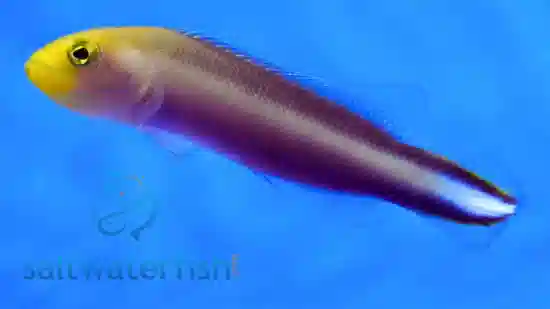




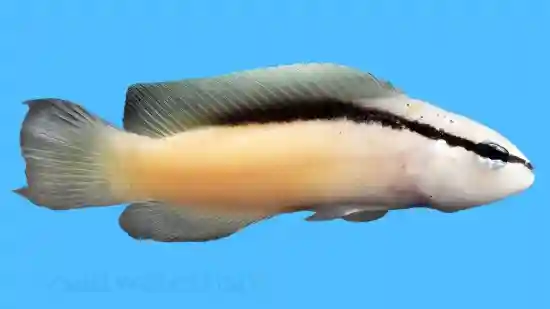

Dottybacks In Saltwater Aquariums: FAQ
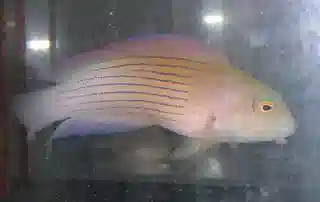
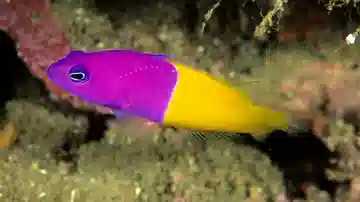
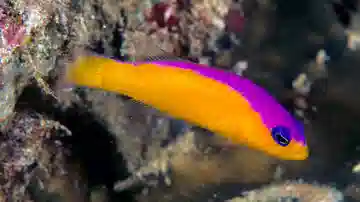
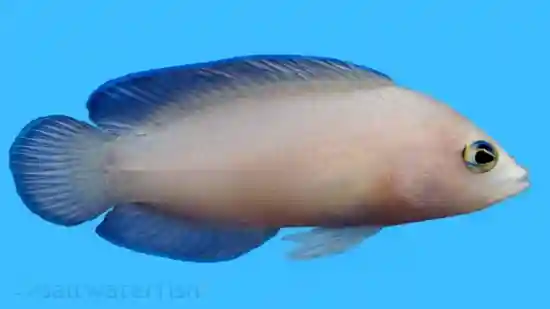
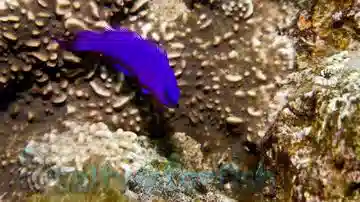
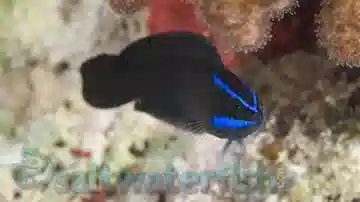
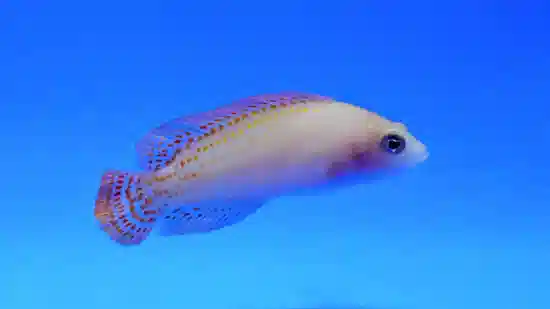
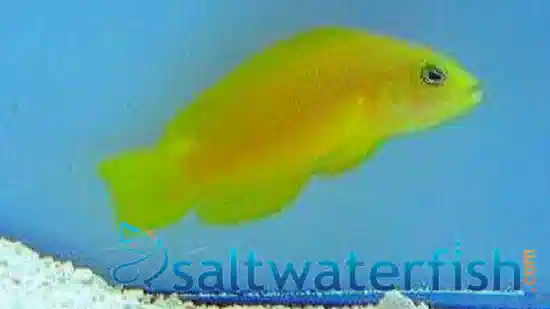
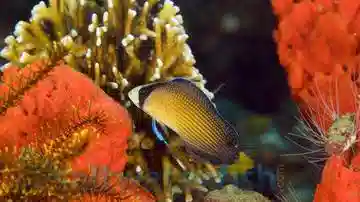
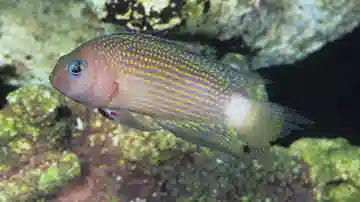
Dottyback fish (family Pseudochromidae) are small, colorful, and highly intelligent reef fish known for their bold personalities and striking coloration. Popular species like the Orchid Dottyback, Royal Gramma–style dottybacks, and Neon Dottybacks are commonly kept in home saltwater aquariums because they offer vivid color, disease resistance, and strong feeding responses in relatively compact tanks.
Are dottybacks good for saltwater tanks?
Yes, dottybacks can be excellent additions, but they are best suited for reef keepers who understand their temperament. While hardy and reef-safe with corals, dottybacks are territorial and assertive, especially in smaller aquariums or when housed with timid tankmates.
Why hobbyists choose dottyback fish:
Hardy and beginner-resistant
Dottybacks adapt quickly to captive conditions, ship well, and typically accept frozen and prepared foods readily. This makes them a strong choice for aquarists who want a resilient fish that doesn’t require constant attention.
Reef safe with corals
Dottybacks do not nip corals or anemones, making them safe for SPS, LPS, and soft coral reefs.
Compact size with big presence
Most dottybacks stay under 3–4 inches, making them suitable for tanks 30 gallons and up, while still providing bold color and constant activity.
Things to consider before adding a dottyback:
Can be aggressive toward smaller or similar-shaped fish
May harass timid species like firefish or small gobies
Best added last to reduce territorial behavior
Tank-bred dottybacks (such as Orchid Dottybacks) are often significantly less aggressive than wild-caught specimens and are strongly recommended for community tanks.
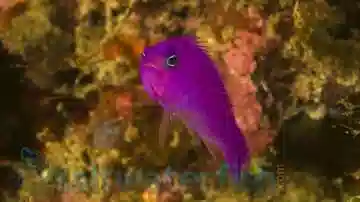
One Saltwaterfish.com reviewer of the Purple Pseudochromis shared: “Adds great color to the reef, nice specimen.”
Pro tips for dottyback success:
Choose tank-bred species when available
Provide rockwork with caves and defined territories
Avoid housing with very timid fish
- Feed a varied diet to reduce aggression
Bottom line:
Dottyback fish are hardy, reef-safe, and visually stunning, making them great additions to many saltwater tanks when compatibility is planned carefully. For aquarists who want bold color and personality in a smaller fish, dottybacks deliver big impact in compact systems. For healthy, tank-conditioned dottybacks backed by Saltwaterfish.com’s 8-Day Live Guarantee, explore the Dottyback Collection and choose a species that fits your reef with confidence.
Dottybacks are reef safe in the way that matters most to coral keepers: they do not harm corals, anemones, or sessile invertebrates. From a coral-health standpoint, dottybacks pose virtually no risk and are fully compatible with SPS, LPS, zoanthids, and soft coral systems.
Where caution is needed:
Where caution is required is not coral safety, but fish and invertebrate compatibility. Dottybacks are territorial micro-predators that defend rockwork and crevices. In smaller tanks or poorly planned communities, this behavior can lead to harassment of timid or similarly shaped fish.
One Saltwaterfish.com reviewer of the Red Dottyback shared: “I love this Red Dottyback\! Pictures don’t compare to the live fish. The new addition improves my saltwater water aquarium. Everyone loves it.”
Bottom line:
Dottybacks are reef safe with corals but should be added thoughtfully due to their bold personalities. When tank-bred species are chosen and tank mates are compatible, dottybacks are hardy, colorful, and engaging additions to reef aquariums. For healthy, tank-conditioned dottybacks backed by Saltwaterfish.com’s 8-Day Live Guarantee, explore the Dottyback Collection and build your reef with confidence.
Dottybacks are carnivorous, protein-focused reef fish with strong feeding responses and excellent appetites in captivity. In the wild, dottybacks hunt small crustaceans, worms, and zooplankton within rock crevices. In a home saltwater aquarium, they adapt very well to prepared foods, making them easy to feed and nutritionally straightforward compared to many other reef fish.
Best foods for dottybacks in captivity:
Frozen foods (primary diet)
Frozen foods should make up the core of a dottyback’s diet.
Mysis shrimp
Brine shrimp (enriched)
Finely chopped shrimp or clam
Marine plankton
These foods closely match their natural prey size and are readily accepted.
Prepared foods (highly recommended)
Most dottybacks quickly learn to eat prepared foods, especially tank-bred specimens.
High-quality marine pellets
Soft sinking pellets
Marine flakes (as a supplement, not a staple)
Prepared foods make feeding consistent and reduce reliance on frozen-only diets.
Occasional live or enrichment foods:
Copepods
Amphipods
Live brine shrimp (occasional use)
These are not required but can stimulate natural hunting behavior and enhance coloration.
Foods to avoid:
Large, hard foods they can’t swallow
Freshwater feeder organisms
Low-quality flakes with excessive fillers
How often should dottybacks be fed?
Once to twice daily in small portions
Overfeeding can increase aggression and nutrient buildup
Dottybacks have fast metabolisms but do best with controlled, consistent feeding.
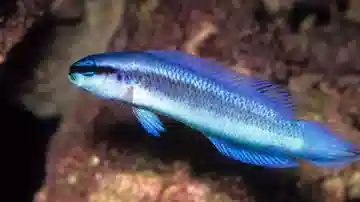
One Saltwaterfish.com reviewer of the Bicolor (Royal) Dottyback shared: “Very similar to the Royal Gramma but at a lesser price and just as beautiful colors. Very friendly fish. Keeps to himself and adds a colorful appeal to the tank.”
Pro feeding tips for dottybacks:
Feed small portions to reduce territorial behavior
Use a varied diet for best color and health
Tank-bred dottybacks usually accept pellets faster
Target feed if housed with aggressive eaters
Maintain good filtration, protein-rich diets add bioload
Bottom line:
Dottybacks thrive on a protein-rich diet of frozen foods and high-quality marine pellets, with occasional enrichment foods for variety. Their strong feeding response and adaptability make them one of the easiest reef fish to feed successfully. For healthy, tank-conditioned dottybacks backed by Saltwaterfish.com’s 8-Day Live Guarantee, explore the Dottyback Collection and feed your reef fish with confidence.
Dottybacks are bold, intelligent, and highly territorial reef fish, which means choosing the right tank mates is essential for long-term harmony. While dottybacks are completely reef safe with corals, they can be aggressive toward timid or similar-shaped fish. When paired thoughtfully, however, they coexist very well in mixed reef and community saltwater tanks.
Best tank mates for dottybacks:
Clownfish
Clownfish are confident and territorial themselves, making them excellent matches. They can hold their own without provoking constant conflict.
Tangs and surgeonfish
Larger, fast-moving fish like tangs are typically ignored by dottybacks and help disperse territorial behavior.
Angelfish (dwarf and medium species)
Angelfish are robust enough to coexist peacefully and occupy different areas of the tank.
Wrasses (fairy, flasher, Halichoeres)
Active wrasses make strong tank mates, especially species that don’t hover near rock crevices.
Blennies (larger species)
Mid-sized blennies such as lawnmower or bicolor blennies usually coexist well.
Cardinalfish (larger species)
Their calm nature works well as long as they aren’t too small or timid.
Tank mates to avoid:
Firefish and dartfish
Very small gobies
Other dottybacks (unless in very large tanks)
Fish with similar body shape or coloration
Tiny ornamental shrimp
Tank-bred dottybacks make a big difference
Tank-bred species, especially Orchid Dottybacks, are significantly less aggressive than wild-caught dottybacks and are strongly recommended for community reef tanks.
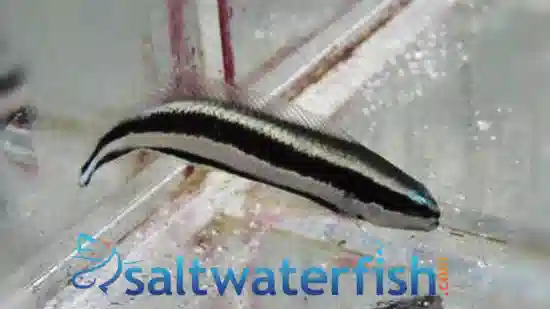
One Saltwaterfish.com reviewer of the Purple Stripe Dottyback shared: “So cute, I purchased two of these and they tend to stick together. They are a great addition to my 180 gallon tank. The colors are beautiful.”
Pro tips for dottyback compatibility:
Add dottybacks last to reduce territorial dominance
Provide rockwork with caves and visual breaks
Avoid overcrowding
Feed consistently to reduce aggression
Choose tank mates based on adult size, not juvenile size
Bottom line:
The best tank mates for dottybacks are confident, medium-to-large reef fish such as clownfish, tangs, angelfish, wrasses, and larger blennies. Avoid timid or very small species to prevent bullying. With proper planning and tank-bred selections, dottybacks are hardy, colorful, and engaging additions to reef aquariums. For healthy, tank-conditioned dottybacks backed by Saltwaterfish.com’s 8-Day Live Guarantee, explore the Dottyback Collection and stock your tank with confidence.
The best food for dottybacks in reef aquariums is a high-quality, protein-rich diet that mimics the small crustaceans and zooplankton they hunt in the wild. Dottybacks are carnivorous micro-predators with fast metabolisms and strong feeding responses, which makes them easy to feed but diet quality plays a major role in their coloration, health, and behavior.
Best staple foods for dottybacks:
Frozen foods (primary diet)
Frozen foods should form the foundation of a dottyback’s diet.
Mysis shrimp (excellent staple)
Enriched brine shrimp
Marine plankton
Finely chopped shrimp, clam, or squid
These foods closely match natural prey size and provide essential proteins and fats.
Prepared foods (highly recommended)
Most dottybacks (especially tank-bred species) readily accept prepared foods.
High-quality marine pellets (small or medium size)
Soft sinking pellets
Premium marine flakes (as a supplement)
Prepared foods help ensure consistent nutrition and make daily feeding easier.
Occasional enrichment foods:
Live or frozen copepods
Amphipods
Live brine shrimp (occasional use only)
These stimulate natural hunting behavior and can enhance coloration.
How often should dottybacks be fed?
Once to twice daily in small portions
Avoid overfeeding, which can increase aggression and nutrient buildup
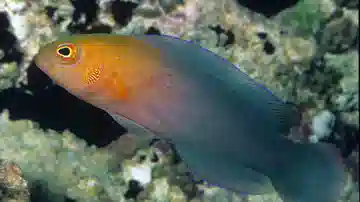
One Saltwaterfish.com reviewer of the Red Head Pseudochormis shared: “Cute little guy. great color.”
Pro feeding tips for dottybacks:
Feed a varied diet to prevent nutritional gaps
Small, frequent feedings reduce territorial aggression
Tank-bred dottybacks usually accept pellets quickly
Target feed if housed with faster, more aggressive eaters
- Maintain strong filtration, protein-heavy diets add bioload
Bottom line:
The best food for dottybacks in reef aquariums is a varied mix of frozen meaty foods and high-quality marine pellets. With consistent feeding and good nutrition, dottybacks display vibrant color, strong immunity, and predictable behavior. For healthy, tank-conditioned dottybacks backed by Saltwaterfish.com’s 8-Day Live Guarantee.
Dottybacks are best understood as interactive, territory-oriented reef fish, not passive swimmers. Their personality is a major reason aquarists choose them but it’s also what requires thoughtful tank planning.
What to expect from dottyback behavior:
Bold and highly aware
In established aquariums, dottybacks are alert, intelligent, and quick to learn routines. They recognize feeding times, investigate changes in the tank, and actively patrol their chosen section of rockwork. This makes them visually engaging and highly noticeable despite their small size.
Territorial but strategic
Territorial behavior is situational rather than constant. Dottybacks typically claim a cave or rock cluster and defend it against smaller or timid fish. They usually ignore larger, confident tankmates and rarely show sustained aggression in spacious, well-aquascaped tanks.
Tank-bred dottybacks tend to be calmer and more adaptable than wild-caught individuals. They integrate more easily into mixed reefs and are far less likely to relentlessly harass tankmates.
Their hunting behavior is focused on small mobile prey, not corals or stationary invertebrates. This means they remain reef safe while still expressing natural instincts through darting and crevice exploration.
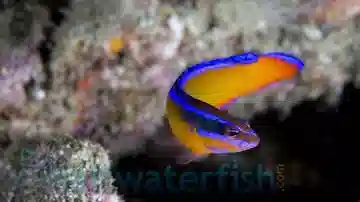
One Saltwaterfish.com reviewer of the Neon Dottyback shared: “One of my Favorites. Stunning color. Great personality.”
Bottom line:
Dottybacks are confident, intelligent, and highly engaging reef fish with strong personalities. When their territorial nature is respected and tank mates are chosen carefully, they become hardy, long-term showpieces that add color and character to saltwater aquariums. For healthy, tank-conditioned dottybacks backed by Saltwaterfish.com’s 8-Day Live Guarantee, explore the Dottyback Collection and add a fish with real personality to your reef.
Dottybacks are widely considered hardy, disease-resistant reef fish, but like all marine species, they can develop health issues when stressed by poor water quality, shipping stress, or improper tank conditions. The good news is that most dottyback diseases are preventable, and when problems do arise, early identification and calm, targeted treatment usually lead to full recovery.
Most common health issues seen in dottybacks:
Marine Ich (Cryptocaryon irritans)
White spots on fins or body
Scratching against rock or sand
Rapid breathing
Prevention & treatment:
Quarantine new fish before introduction
Maintain stable salinity and temperature
Treat in a separate quarantine tank using copper or alternative reef-safe methods (never in the display tank)
Marine Velvet (Amyloodinium)
Fine dust-like coating
Lethargy and heavy breathing
Rapid progression
Prevention & treatment:
Strict quarantine practices
Immediate isolation and treatment if suspected
Strong aeration during treatment
Bacterial infections (fin rot, sores)
Frayed fins
Red or cloudy patches
Loss of appetite
Prevention & treatment:
Improve water quality
Use antibiotic treatments in quarantine
Avoid overcrowding and aggression
Stress-related issues (most common)
Dottybacks often show illness due to stress rather than pathogens.
Caused by aggression, poor tank mates, unstable parameters, or frequent changes
Stress weakens immune response
Best prevention practices for dottybacks:
Quarantine all new fish for 2–4 weeks
Keep water parameters stable
Avoid housing with overly timid or bullied fish
Provide rockwork with caves and defined territories
Feed a varied, protein-rich diet
One Saltwaterfish.com reviewer of the Orchid Dottyback shared: “Love these, a little shy but once they get used to you they are fun to watch.”
Pro tips for long-term dottyback health:
Choose tank-bred dottybacks whenever possible
Avoid sudden salinity or temperature changes
Observe feeding behavior daily, loss of appetite is an early warning sign
Use UV sterilization as an added preventative layer
Treat early rather than waiting
Bottom line:
Dottyback disease is rare when proper quarantine, stable water conditions, and compatible tank mates are in place. Most health issues stem from stress, not inherent fragility. With proactive prevention and prompt treatment, dottybacks are among the most resilient reef fish available. For healthy, tank-conditioned dottybacks backed by Saltwaterfish.com’s 8-Day Live Guarantee, explore the Dottyback Collection and keep your reef thriving with confidence.
Dottybacks are small but bold saltwater fish, and their compact adult size is one of the main reasons they’re so popular in reef aquariums. Most dottyback species reach an adult size of 2.5 to 4 inches, making them suitable for smaller to mid-sized saltwater tanks while still delivering strong color and personality.
Typical adult sizes of common dottyback species:
*Orchid Dottyback (Pseudochromis fridmani)
Adult size: 2.5–3 inches
One of the most reef-friendly and least aggressive options
Ideal for tanks 30 gallons and up
*Neon Dottyback (Pseudochromis aldabraensis)
Adult size: 3–4 inches
Extremely vibrant coloration
Slightly more territorial than tank-bred species
Bicolor / Royal Dottyback types
Adult size: 3–4 inches
Hardy and active
Require careful tank mate selection due to assertive behavior
Why size matters with dottybacks:
While dottybacks stay relatively small, they are territorial and confident, meaning their impact on a tank is much larger than their size suggests. A 3-inch dottyback can easily dominate rockwork or intimidate timid fish if space and aquascaping aren’t planned properly.
Tank size recommendations based on adult size:
Single dottyback: 30+ gallons
Community reef tank: 40–55+ gallons recommended
Larger tanks reduce territorial behavior and increase compatibility
One Saltwaterfish.com reviewer of the Springeri Pseudochromis shared: “What a beautiful Fish\! The images on the website do not do this marine life justice. The Springeri Pseudochromis \- Captive Bred was hungry and ate right away.”
Pro tips for managing dottybacks as they mature:
Plan for adult size, not juvenile size
Provide rockwork with caves and visual barriers
Avoid housing with very small or timid fish
Add dottybacks last to minimize territorial claims
- Choose tank-bred species for calmer behavior
Bottom line:
Dottybacks typically grow to 2.5–4 inches, making them ideal for reef keepers who want bold color and personality without needing a large tank. When housed appropriately, their small size combined with hardy nature makes them long-lasting, engaging additions to saltwater aquariums. For healthy, tank-conditioned dottybacks backed by Saltwaterfish.com’s 8-Day Live Guarantee, explore the Dottyback Collection and choose the perfect fit for your reef.
Yes, dottybacks can be effective, natural pest controllers in reef tanks, but their role should be viewed as supplemental, not a guaranteed solution. Dottybacks are carnivorous micro-predators that actively hunt small invertebrates in rockwork, which means they often help keep certain nuisance populations in check while adding color and personality to the aquarium.
Pests dottybacks may help control:
Bristleworms (small to medium)
Dottybacks frequently pick at exposed bristleworms, especially smaller individuals living in rock crevices.
Flatworms and small worms
While not a cure-all, dottybacks may reduce populations of visible flatworms and other soft-bodied pests through constant hunting behavior.
Amphipods and copepods (excess populations)
Dottybacks naturally feed on pods. This can be helpful in tanks where pod populations explode, but less ideal if you’re cultivating pods for mandarins.
*What dottybacks will not reliably control:
Aiptasia
Majano anemones
Bubble algae
Vermetid snails
Large bristleworms
They should not be relied upon as a primary solution for major pest outbreaks.
Important trade-offs to understand:
Because dottybacks hunt small invertebrates, they may also prey on:
Tiny ornamental shrimp
Newly added pods
Very small beneficial microfauna
Tank-bred dottybacks are often less aggressive overall, but their hunting instincts remain intact.
One Saltwaterfish.com reviewer of the Dusky Dottyback shared: “I had never purchased fish for my aquarium online before and I was thrilled when the Dusky Dottyback arrived and very healthy.”
Pro tips for using dottybacks in pest management:
Think of them as population control, not eradication
Combine with manual removal or targeted treatments if pests are severe
Choose tank-bred species for better community balance
Avoid adding dottybacks solely for pest control
Plan tank mates carefully to prevent aggression
Bottom line:
Dottybacks can contribute to natural pest control by hunting small worms and invertebrates, but they are not a standalone fix for reef tank pests. Their real value lies in combining utility with bold color, intelligence, and durability. For healthy, tank-conditioned dottybacks backed by Saltwaterfish.com’s 8-Day Live Guarantee, explore the Dottyback Collection and add a fish that brings both function and personality to your reef.