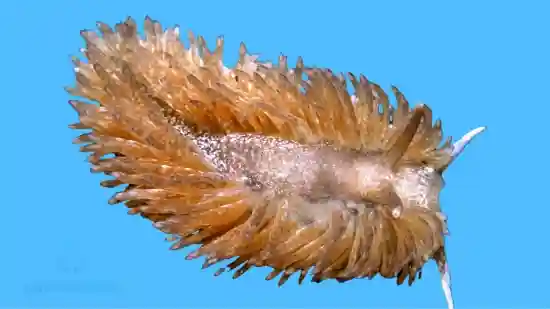
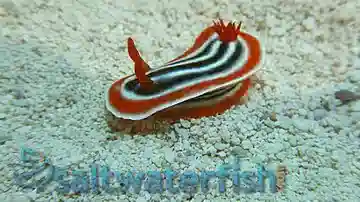



Nudibranch In Saltwater Aquariums: FAQ
Nudibranchs are some of the most beautiful and fascinating invertebrates in the saltwater hobby, but they are also among the most specialized feeders, which makes caring for them challenging in captivity. Unlike many reef organisms that accept a variety of foods, most nudibranchs have strict, species-specific diets, often feeding exclusively on a single coral, sponge, anemone, or algae type. Because of this specialization, providing the right food source is the key to keeping nudibranchs alive and thriving in a home aquarium.
Common nudibranch diets in captivity:
Aiptasia-eating nudibranchs (Berghia)
These are the easiest nudibranchs to keep because they feed exclusively on Aiptasia anemones, a common nuisance pest. Once the Aiptasia supply runs out, Berghia will starve unless relocated to a tank with more.
Zoanthid-eating nudibranchs
These species feed only on zoanthids and palythoas. While beautiful, they are considered pests and are not intentionally kept by hobbyists.
Sponge-eating nudibranchs
Many colorful nudibranchs feed exclusively on one type of sponge found in the wild. These exact sponges are rarely available for aquarium feeding, making long-term care difficult.
Bryozoan-, tunicate-, or hydroid-eating nudibranchs
Some species feed on these colonial organisms but are extremely hard to sustain due to limited availability in captivity.
Because most nudibranchs cannot switch diets, their survival depends entirely on consistent access to their natural food source.
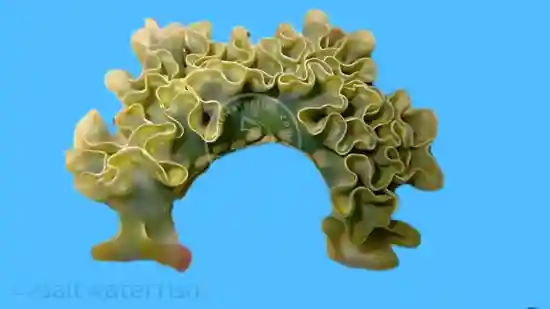
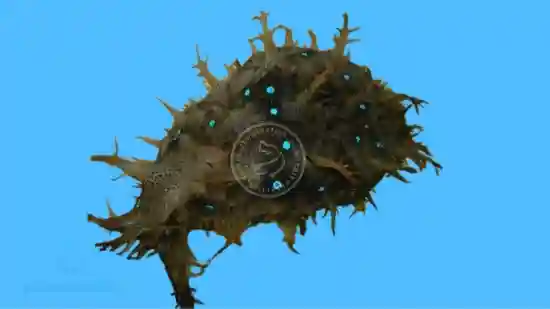
One Saltwaterfish.com reviewer of the Lettuce Nudibranch shared: “Received in good condition and looks great.”
Pro nudibranch feeding tips:
Choose Berghia nudibranchs if you want a species with a reliable food source (Aiptasia).
Research your nudibranch’s natural diet before purchasing, it may rely on a food unavailable in aquarium settings.
Avoid purchasing wild-caught nudibranchs with unknown feeding requirements.
Relocate Berghia once Aiptasia populations drop to prevent starvation.
- Observe your tank: if a nudibranch stops moving or shrinks, it may be out of food.
Bottom line:
Most nudibranchs have highly specialized diets, and only species like Berghia (those that eat Aiptasia) are reliably sustainable in captivity. Always research feeding requirements before adding a nudibranch to your reef. For healthy, responsibly sourced invertebrates backed by Saltwaterfish.com’s 8-Day Live Guarantee, explore the Invertebrates Collection and choose species well-suited for long-term success.
Caring for nudibranchs in a reef tank can be rewarding, but it requires understanding their highly specialized diets, delicate bodies, and sensitivity to water conditions. Unlike many invertebrates, nudibranchs are not generalist feeders. In most cases, their survival depends entirely on providing the exact food source they eat in the wild. Because they are so specialized, nudibranchs are best suited for experienced reef keepers or for hobbyists prepared to support their unique needs.
Core elements of nudibranch care:
Provide the correct, species-specific diet
Nudibranchs almost always feed on one specific organism. Examples include:
Berghia nudibranchs eat only Aiptasia anemones
Zoanthid-eating nudibranchs eat only zoas (considered pests; not intentionally kept)
Sponge-eating nudibranchs require specific wild sponges
Bryozoan or hydroid eaters are extremely hard to sustain. If the exact food source is not available, nudibranchs will starve. No substitutions exist.
Maintain pristine, stable water conditions
Nudibranchs have soft, exposed tissue and are sensitive to parameter swings. Ideal conditions include:
Temperature: 76–78°F
Salinity: 1.024–1.026
Nitrate: \<10 ppm
Phosphate: \<0.05–0.10 ppm
Zero ammonia and nitrite. They also require gentle, indirect flow to move and feed naturally.
Protect nudibranchs from pumps
Gyres, wavemakers, and overflows can easily injure or kill nudibranchs. Use pump guards, foam covers, or fine mesh to prevent accidents.
Avoid fish that may prey upon them
Wrasses, butterflyfish, and many larger fish will eat nudibranchs. Keep them in peaceful tanks or nocturnal environments where they can feed safely.
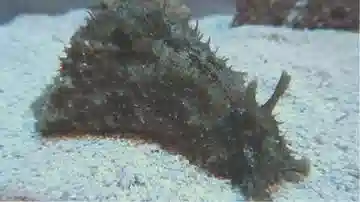
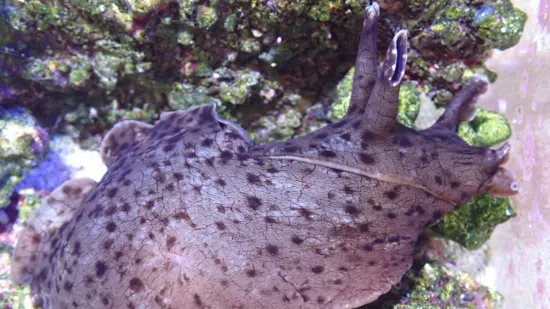
One Saltwaterfish.com reviewer of the Dolabella Sea Hare shared: “Arrived in good condition and has immediately gone to work on the algae.”
Pro nudibranch care tips:
Choose Berghia if you want the easiest species to sustain in captivity.
Observe movement: if a nudibranch becomes inactive, it may be starving.
Relocate Berghia once Aiptasia populations decline to prevent starvation.
Handle gently: nudibranchs are fragile and easily damaged.
Acclimate slowly using drip acclimation to avoid osmotic shock.
Bottom line:
Nudibranchs require specialized diets, gentle environments, and stable water conditions to thrive. Species like Berghia are the most sustainable, while others are difficult due to strict feeding requirements. For healthy, tank-ready nudibranchs backed by Saltwaterfish.com’s 8-Day Live Guarantee, explore the Invertebrates Collection and choose species suited for long-term reef success.
Most nudibranchs are considered reef safe, but whether they’re a good fit for your reef tank depends entirely on the species and its diet. While nudibranchs won’t sting, nip, or damage corals the way some fish might, many nudibranchs feed exclusively on very specific organisms, including corals themselves. This means some nudibranchs are highly beneficial, while others are destructive pests in reef environments. Understanding what a nudibranch eats is the key to determining whether it is truly reef safe.
Reef-safe nudibranchs:
Berghia Nudibranchs (Aiptasia-eating)
These are the most reef-safe nudibranchs available. They feed only on Aiptasia anemones, making them an ideal natural pest-control solution. Once Aiptasia populations are consumed, however, Berghia will starve unless moved to another tank.
Algae- or detritus-associated species
Some nudibranchs graze on algae films or detritus, though these are less common in the hobby and often difficult to sustain long-term.
*Nudibranchs that are not reef safe:
Zoanthid-eating nudibranchs
These pests feed exclusively on zoanthids and palythoas, often wiping out entire colonies if not removed.
Soft coral, sponge, or hydroid-eating nudibranchs
While beautiful, many wild-collected nudibranchs feed on very specific sponges or corals, making them dangerous to mixed reefs and nearly impossible to feed in captivity.
Clown nudibranchs, lettuce-lookalikes, and other colorful species
These are often sold accidentally or misidentified. Many of them are specialists that will consume certain coral species.
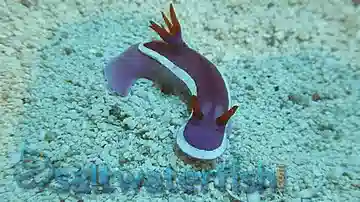
One Saltwaterfish.com reviewer of the Purple Sea Slug shared: “A cute, little, lively Purple Sea Slug that brings a lot of character to your tank. Seems to play well with others and makes a welcome addition while being an easy keeper.”
Pro reef safety tips:
Identify the nudibranch species before adding it to your reef.
Choose Berghia for safe, predictable reef behavior.
Remove zoanthid-eaters immediately to prevent colony loss.
Protect nudibranchs from pumps and overflows. Reef safe doesn’t mean “tank safe.”
- Ensure the nudibranch’s diet is available; starving nudibranchs will not switch foods.
Bottom line:
Most nudibranchs are technically reef safe, meaning they won’t attack fish or sting corals, but many feed on corals, sponges, or zoanthids, making them risky for mixed reefs. Berghia nudibranchs are the best and safest option for reef tanks, offering natural Aiptasia control without harming desirable corals. For healthy, tank-conditioned nudibranchs backed by Saltwaterfish.com’s 8-Day Live Guarantee, explore the Invertebrates Collection with confidence.
Nudibranchs are fascinating and beautiful additions to a reef tank, but they are not general-purpose cleaners like snails or hermit crabs. Whether a nudibranch can help with tank cleaning depends entirely on its species-specific diet, and most nudibranchs only eat one very specific type of food. This highly specialized feeding behavior means only a few select nudibranch species offer any true “cleaning” benefit and even then, only for a narrow purpose.
*Nudibranchs that do help with tank cleaning:
Berghia Nudibranchs (Aiptasia control)
These are the only nudibranchs widely considered helpful for reef maintenance.
Berghia eat only Aiptasia anemones, a common and invasive reef pest.
They help eliminate Aiptasia naturally, without chemicals.
Once the Aiptasia population is gone, Berghia must be moved or they will starve.
They are excellent for targeted pest removal but not general cleanup.
Lettuce Sea Slugs (Tridachia / Elysia species)
Often mislabeled as nudibranchs, these sea slugs can help with some filamentous algae, such as bryopsis.
They are effective in certain tanks but not a long-term cleaning solution.
They are delicate and can be harmed by strong pumps.
*Nudibranchs that do not help with cleaning:
Zoanthid\-eating nudibranchs (pests that destroy zoa colonies)
Sponge\-eating nudibranchs
Soft coral–eating nudibranchs
Hydroid or tunicate specialists
These species are either harmful or impossible to sustain because their food sources are limited.
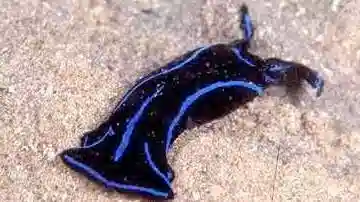
One Saltwaterfish.com reviewer of the Blue Velvet Nudibranch shared: “Came in good condition and instantly started eating my pest flatworms.”
Pro tips for nudibranch “cleaners”:
Use Berghia for natural Aiptasia control, they are the most reliable helper.
Avoid impulse-buying colorful nudibranchs; many are coral predators.
Protect nudibranchs and sea slugs from pump intakes with guards or foam covers.
Relocate Berghia after the Aiptasia population declines.
Supplement algae-eating sea slugs with proper nutrition if algae becomes scarce.
Bottom line:
Nudibranchs are not general tank cleaners, but species like Berghia can provide effective, natural Aiptasia removal, and certain lettuce sea slugs may help with specific algae types. For safe, sustainable cleanup options, choose the right nudibranch and ensure its exact food source is available. Explore Saltwaterfish.com’s Invertebrates Collection for responsibly sourced options backed by our 8-Day Live Guarantee.
Whether you need to feed a nudibranch depends entirely on its species-specific diet. Nudibranchs are not generalist feeders. They almost always rely on a single, highly specialized food source. This means most nudibranchs will not find enough food naturally in a typical home aquarium unless you specifically house the organism they feed on. If the exact food source is not present and continuously available, the nudibranch will starve, even if the tank looks “full” of food to you.
Which nudibranchs will find food on their own?
Berghia Nudibranchs (Aiptasia-eaters)
These are the only nudibranchs that reliably find their own food in captivity.
They eat only Aiptasia anemones.
If your tank has Aiptasia, they will hunt it naturally.
Once the Aiptasia is gone, Berghia must be relocated or they will starve.
Lettuce Sea Slugs (often mislabeled as nudibranchs)
Some species graze on certain filamentous algae such as bryopsis, but:
They do not eat all algae types.
They often cannot sustain themselves long-term on typical reef algae.
Which nudibranchs will not find food in your tank?
Most nudibranchs require highly specific prey such as:
Zoanthids (zoa-eating nudibranchs, considered pests)
Sponges
Hydra, tunicates, or bryozoans
Specific soft corals or gorgonians
These species cannot be sustained in captivity unless their exact food source is intentionally cultured, something rarely practical for home hobbyists.
One Saltwaterfish.com reviewer of the Blue Spotted Sea Hare shared: “The Sea Hare are great fish. They acclimated very well. They are always out and swimming around. Their color changes under my lighting. Fun to watch.”
Pro nudibranch feeding tips:
Research feeding requirements before purchasing. Most nudibranchs starve without the right prey.
Choose Berghia if you want a nudibranch that naturally finds food (Aiptasia).
Relocate Berghia as soon as Aiptasia numbers drop.
Protect nudibranchs from pumps and filter intakes. They wander while searching for food.
Never assume a nudibranch will “adapt” to a new diet. They won’t.
Bottom line:
Most nudibranchs cannot find adequate food on their own unless their precise natural prey is already present in your aquarium. Only species like Berghia reliably locate and consume their food source (Aiptasia). For long-term success, choose nudibranchs whose natural diet matches what’s available in your tank. Explore Saltwaterfish.com’s Invertebrates Collection for sustainable options backed by our 8-Day Live Guarantee.
Yes, most nudibranchs are considered difficult to keep in home aquariums because they require extremely specialized diets, delicate handling, and stable water conditions. While they are some of the most visually stunning invertebrates in the marine hobby, their care needs are far more demanding than snails, crabs, or even many corals. Successful nudibranch care depends on providing the exact food source they eat in the wild, protecting them from tank hazards, and maintaining consistent, high-quality water parameters.
Why nudibranchs are challenging to keep:
Highly specialized diets
Almost all nudibranchs feed on only one specific prey item:
Berghia - Aiptasia only
Zoanthid\-eating nudibranch - zoas only
Sponge\-eaters - one specific sponge species
Hydroid or bryozoan specialists - nearly impossible to sustain
If their food source runs out, they cannot switch diets and will starve.
Delicate bodies
Nudibranchs have soft, exposed tissue and are easily injured by:
Powerheads
Overflows
Strong flow
Rough handling
Short natural lifespans
Most nudibranchs only live 9–12 months, even in perfect conditions, making long-term success challenging.
Sensitive to water quality
They require:
76–78°F
1.024–1.026 salinity
0 ammonia/nitrite
Low–moderate nitrates
Even minor water swings can cause rapid decline.
One Saltwaterfish.com reviewer of the California Sea Hare shared: “A little "sluggish" after acclimation. No pun intended.”
*Nudibranchs that are easier to keep:
Berghia nudibranchs: the most sustainable option because Aiptasia is easy to provide.
Lettuce Sea Slugs (technically sacoglossans, not true nudibranchs): can help with some algae but are still delicate.
Pro tips for success:
Choose Berghia if you are new to nudibranch care.
Provide pump guards to prevent accidental injury.
Observe movement; inactivity often means hunger.
Move Berghia to a new tank once Aiptasia is gone.
Avoid impulse-buying colorful nudibranchs without identifying their diet.
Bottom line:
Most nudibranchs are difficult to keep because of their specialized diets and delicate nature. Only species like Berghia are reliably sustainable in reef aquariums. For healthy, responsibly sourced invertebrates backed by Saltwaterfish.com’s 8-Day Live Guarantee.
Yes, some nudibranchs eat Aiptasia or other pests, but only very specific species. Nudibranchs are highly specialized feeders, meaning each species typically eats one single type of prey and nothing else. Because of this specialization, the only nudibranch that reliably eats Aiptasia in a home aquarium is the Berghia nudibranch. Other pest-eating nudibranchs exist in nature, but they are either not available in the aquarium trade or feed on organisms hobbyists don’t want eaten, such as zoanthids or soft corals.
*Nudibranchs that do eat Aiptasia or pests:
Berghia Nudibranchs (Aiptasia predators)
Eat only Aiptasia anemones, making them the best natural Aiptasia control method.
Safe for all corals, fish, and inverts; 100% reef-safe.
Once the Aiptasia population is gone, Berghia will starve unless moved to a tank with more Aiptasia.
Work best in groups and excel at reaching Aiptasia hidden in crevices.
Lettuce Sea Slugs (often mistaken for nudibranchs)
Not true nudibranchs but can help reduce certain filamentous algae like bryopsis.
Their effectiveness varies, and they still have specific feeding needs.
Nudibranchs that do not eat useful pests:
Zoanthid\-eating nudibranchs: these are pests themselves, consuming zoas and palythoas.
Soft coral–eating nudibranchs: highly destructive to leathers, gorgonians, or other softies.
Sponge\-, hydroid-, tunicate-, or bryozoan-eaters: impossible to sustain in captivity.
These species should never be kept intentionally.
One Saltwaterfish.com reviewer of the Green Sea Hare shared: “Happy, healthy, and gorging on algae. They are sooo cute. I love watching them.”
Pro tips for using nudibranchs for pest control:
Choose Berghia for reliable, natural Aiptasia removal.
Turn off pumps briefly during introduction so nudibranchs can settle safely.
Use pump guards to prevent them from being sucked into wavemakers.
Keep lighting moderate, nudibranchs are nocturnal hunters.
- Relocate Berghia once Aiptasia is eliminated to avoid starvation.
Bottom line:
Only Berghia nudibranchs are effective, reef-safe Aiptasia eaters in home aquariums. Other nudibranchs may eat pests in nature but are not suitable (or safe) for captive systems. For sustainable, natural Aiptasia control backed by Saltwaterfish.com’s 8-Day Live Guarantee.
Yes, nudibranchs can generally be kept with clownfish, but success depends on the specific nudibranch species, your tank setup, and the type of clownfish you keep. Clownfish are reef-safe and typically ignore nudibranchs, making them compatible in most cases. The real challenge isn’t the clownfish, it’s ensuring the nudibranch has the correct food source, safe flow conditions, and protection from other tank hazards.
Why clownfish and nudibranchs are usually compatible:
Clownfish are peaceful and reef-safe
They rarely bother small invertebrates unless extremely territorial during breeding, and even then, they’re much more focused on guarding their nesting site than hunting.
Nudibranchs are slow-moving and non-threatening
They don’t compete with clownfish for food and pose zero risk to the fish or corals.
Shared water requirements
Both thrive in reef-stable parameters:
76–78°F
1.024–1.026 salinity
Zero ammonia/nitrite
Moderate nutrients
When compatibility may be an issue:
Large or aggressive clownfish pairs (especially Maroons) may nip at unfamiliar animals while defending territory.
Nudibranchs must have their exact food source, or they’ll starve, something clownfish cannot influence but hobbyists must manage.
Strong flow from pumps, not clownfish, is the real danger; nudibranchs are easily injured by equipment.
One Saltwaterfish.com reviewer of the Lettuce Nudibranch shared: “Ordered three, all alive and doing great a week later. They are very interesting to watch. They move slowly, but are always on the go\! They are helping out with my algae situation.”
Pro tips for keeping nudibranchs with clownfish:
Choose Berghia nudibranchs for Aiptasia control; they’re peaceful and fully reef-safe.
Avoid placing nudibranchs near the clownfish’s hosting coral or anemone to prevent territorial nips.
Use pump guards: the biggest threat to nudibranchs is equipment, not fish.
Introduce nudibranchs after lights dim so they can settle without being disturbed.
Do not rely on clownfish to “leave food for nudibranchs”. Nudibranchs need their exact prey source.
Bottom line:
Clownfish and nudibranchs are usually excellent tankmates, as clownfish are peaceful, reef-safe, and uninterested in nudibranchs. The key to success is ensuring the nudibranch’s specialized feeding and safety needs are met. For healthy, tank-ready nudibranchs backed by Saltwaterfish.com’s 8-Day Live Guarantee.
Because most nudibranchs have highly specialized diets and delicate care requirements, only a very small number are truly suitable for long-term success in a home saltwater aquarium. The best nudibranchs are those with well-understood feeding habits, predictable behavior, and food sources that can be provided safely and consistently. For most hobbyists, this means choosing nudibranchs that are reef safe, easy to feed, and sustainable within a closed system.
Best nudibranchs for home aquariums:
1\. Berghia Nudibranchs (Aiptasia-eaters)
Widely considered the best nudibranch for reef tanks.
Feed exclusively on Aiptasia anemones
Completely reef-safe
Thrive naturally in Aiptasia-infested tanks
Excellent for natural pest control
Once Aiptasia is eliminated, Berghia need to be relocated or they will starve. They are the most reliable and beginner-friendly nudibranch option.
2\. Lettuce Sea Slugs (Elysia & Tridachia species)
Often mislabeled as nudibranchs, but similar in care.
Can help with certain nuisance algae (bryopsis, some filamentous algae)
Peaceful, reef-safe, and attractive
More forgiving than true nudibranchs
Their effectiveness varies, and they remain delicate, but they are much easier to sustain than sponge- or coral-eating nudibranchs.
Nudibranchs to avoid:
Zoanthid\-eating nudibranchs (pests that destroy zoa colonies)
Sponge\-eating nudibranchs (impossible to feed long-term)
Soft coral–eating nudibranchs (highly destructive)
Hydroid, tunicate, or bryozoan specialists
These species almost always starve in captivity and often harm prized corals.
One Saltwaterfish.com reviewer of the Dolabella Hare shared: “Don't underestimate these, Sea Hares\! They work all day; they are actually quite fast, and they haven't caused any havoc to our corals- which is a huge plus\! They come in quite big already so beware that size small will be around 4". We really appreciate that size and quality of ALL the livestock we have received One of my favorites :)”
Pro tips for choosing the best nudibranch:
Pick Berghia if you want a nudibranch that thrives and provides real value.
Match the species to the food source already in your tank.
Protect nudibranchs from pump intakes using guards or mesh.
Introduce them at night to reduce stress and predation.
Avoid impulse purchases: many colorful nudibranchs are impossible to feed.
Bottom line:
The best nudibranchs for saltwater aquariums are Berghia nudibranchs for Aiptasia control and Lettuce Sea Slugs for limited algae grazing. These species are sustainable, fully reef-safe, and far easier to maintain than most nudibranchs with extreme dietary needs. For healthy, responsibly sourced nudibranchs backed by Saltwaterfish.com’s 8-Day Live Guarantee.
Nudibranchs do not require special lighting in the way corals do, but they do need very specific water flow conditions to survive. Because nudibranchs are soft-bodied, delicate invertebrates with no protective shell, lighting is rarely a concern however, flow can make or break their success in a reef tank. Understanding how to balance gentle circulation with safe placement is essential to helping nudibranchs thrive.
Lighting requirements for nudibranchs:
Most nudibranchs are non-photosynthetic, meaning they do not rely on light for energy. Their diet (whether Aiptasia, sponges, zoanthids, hydroids, or specific algae) provides all the nutrition they need.
Standard reef lighting is perfectly fine.
They do not require high PAR or special spectrum settings.
Too much light may simply cause them to hide more during the day.
Many nudibranchs are naturally nocturnal, feeding primarily at night.
Water flow requirements:
Flow is the most important environmental factor for nudibranchs. They need:
Gentle to moderate flow that allows them to move without being swept away.
Indirect current, not direct blasting from powerheads.
Protected pump intakes, since nudibranchs are easily injured or killed by wavemakers, overflows, and gyres.
Enough flow to keep detritus off their bodies and help them navigate rockwork.
One Saltwaterfish.com reviewer of the Blue Velvet Nudibranch shared: “Had a plague of red flat worms. I didn't want to use chemical to eliminate them. The blue velvet nudibranch really did the job\! First time I ordered from saltwater fish, I would highly recommend them and will use them again. The livestock was well packed and arrived on time.”
Pro lighting & flow tips for nudibranchs:
Use foam guards or mesh over pump intakes to prevent accidents.
Introduce nudibranchs after lights dim to reduce stress.
Keep flow patterns consistent; nudibranchs are sensitive to sudden changes.
Avoid high-flow SPS zones; nudibranchs do best in calmer reef areas.
- Allow them to acclimate on flat rock surfaces before exploring high-flow sections.
Bottom line:
Nudibranchs do not need special lighting, but they require carefully managed, gentle water flow to stay safe and active. Protect them from strong currents and exposed pump intakes, and they can thrive while performing their unique ecological roles, especially species like Berghia. For healthy, sustainably sourced nudibranchs backed by Saltwaterfish.com’s 8-Day Live Guarantee.
Unlike clownfish and anemones or cleaner shrimp and fish, nudibranchs rarely form true symbiotic relationships in home aquariums. Most nudibranchs are highly specialized feeders and predators, not partners. Their interactions with other reef organisms are typically predatory, opportunistic, or defensive, rather than beneficial for both species. However, they do exhibit a few fascinating ecological behaviors that resemble symbiosis, just not in the traditional sense.
Types of relationships nudibranchs have in nature:
1\. Dietary “symbiosis” with specific prey
Many nudibranchs have evolved to feed exclusively on a single prey species, including sponges, zoanthids, hydroids, bryozoans, and Aiptasia.
This looks like symbiosis but is actually predation.
Their survival depends entirely on the presence of that exact prey item.
2\. Incorporating prey defenses into their bodies
Some nudibranchs absorb toxins or stinging cells (nematocysts) from what they eat.
Certain species steal nematocysts from anemones or hydroids and store them for defense.
This is called kleptocnidae, a unique defensive relationship but not mutualistic.
3\. Camouflage-based mimicry
Some nudibranchs mimic the look of their prey: zoanthids, soft corals, or sponges.
This gives protection from predators.
Again, it is beneficial only to the nudibranch, not the host.
4\. Algal symbiosis (rare)
A few nudibranch species can host zooxanthellae, similar to corals.
These nudibranchs gain some energy from light.
Still, their main diet remains highly specific and necessary.
One Saltwaterfish.com reviewer of the Green Sea Hare shared: “Excellent packing, easy to acclimate\!”
Pro insights for hobbyists:
Do not expect nudibranchs to “pair” with corals or fish like other reef species.
Berghia nudibranchs interact only with Aiptasia, and solely as predators.
Avoid colorful wild species unless you know their exact prey. They are rarely symbiotic.
Lettuce sea slugs (often mistaken for nudibranchs) have mild symbiosis with algae via photosynthesis, but still cannot survive on light alone.
Bottom line:
Nudibranchs do not form traditional symbiotic relationships in reef tanks. Their interactions are almost always predatory, defensive, or mimicry-based, not mutually beneficial. For reef-safe, sustainable nudibranchs (especially Berghia for Aiptasia control) explore Saltwaterfish.com’s Invertebrates Collection, backed by our 8-Day Live Guarantee.
Because most nudibranchs have extremely specialized diets and delicate bodies, only a very small handful are truly suitable for home aquariums. The easiest nudibranchs to keep are those with predictable feeding habits, accessible food sources, and fully reef-safe behavior. For most hobbyists, this means choosing species that can sustainably find their food in captivity without requiring rare sponges, hydroids, or coral colonies.
Easiest nudibranchs for home aquariums:
1\. Berghia Nudibranchs (Aiptasia-eaters)
Hands-down the easiest and most successful nudibranch for reef tanks.
Feed exclusively on Aiptasia anemones
100% reef-safe
Thrive naturally in tanks with active Aiptasia infestations
Require no supplemental feeding if Aiptasia is present
Berghia nudibranchs are ideal because their food source (Aiptasia) is common, renewable, and easy for hobbyists to provide.
2\. Lettuce Sea Slugs (Elysia & Tridachia species)
Not true nudibranchs, but often grouped with them.
Feed primarily on some filamentous algae (including bryopsis in certain cases)
Peaceful and fully reef-safe
More forgiving than wild-collected nudibranchs
They are delicate but still far easier than sponge- or coral-eating nudibranchs.
Nudibranchs to avoid (difficult or impossible to keep):
Sponge\-eating nudibranchs (need specific wild sponge species)
Zoanthid\-eating nudibranchs (pests that destroy zoa colonies)
Soft coral–eating nudibranchs (harm desirable corals)
Hydroid, tunicate, or bryozoan specialists
These species almost always starve because their prey cannot be reliably provided.
One Saltwaterfish.com reviewer of the Lettuce Nudibranch shared: “This is the best algae eater I've ever had to clean my tank. It eats the brown \+ the green algae. My live rocks are cleaned, my glass has never looked this clean, unless I scraped it myself. The brown stuff on the glass is gone......I bought 4 for a 90gal tank. I'm buying 4 for just to keep it clean.”
Pro tips for choosing easy nudibranchs:
Select Berghia if your goal is natural Aiptasia control.
Introduce them at night to reduce stress and predation.
Use pump guards: nudibranchs are easily injured by intakes.
Relocate Berghia once Aiptasia is eliminated to prevent starvation.
Avoid impulse-buying colorful wild nudibranchs; most cannot survive in captivity.
Bottom line:
The easiest nudibranchs to keep are Berghia nudibranchs and Lettuce Sea Slugs, thanks to their clear diets and predictable, reef-safe behavior. Most other nudibranch species are highly specialized and difficult to maintain long term. For healthy, sustainably sourced nudibranchs backed by Saltwaterfish.com’s 8-Day Live Guarantee.