






Frogfish In Saltwater Aquariums: FAQ
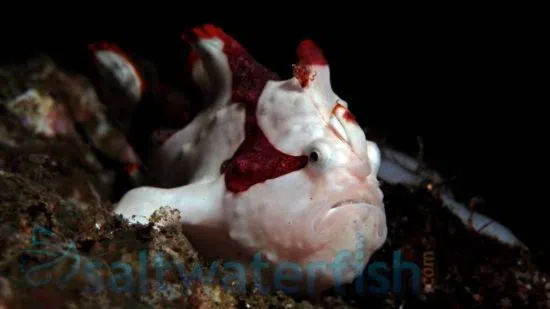
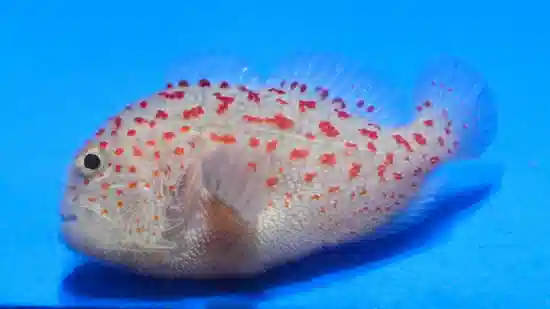
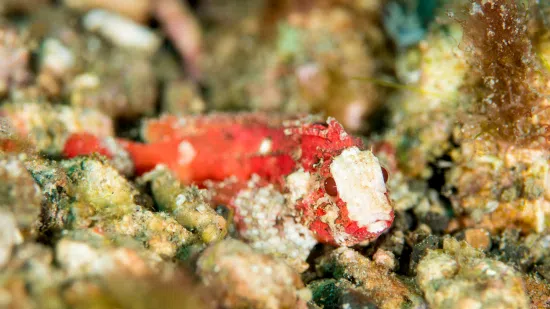
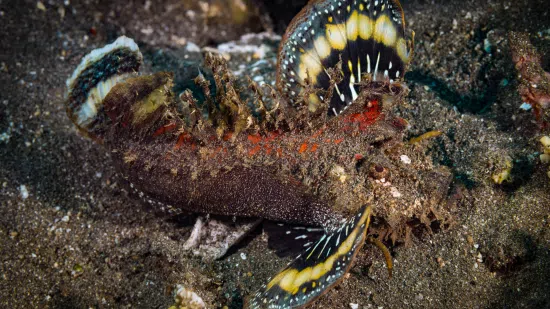
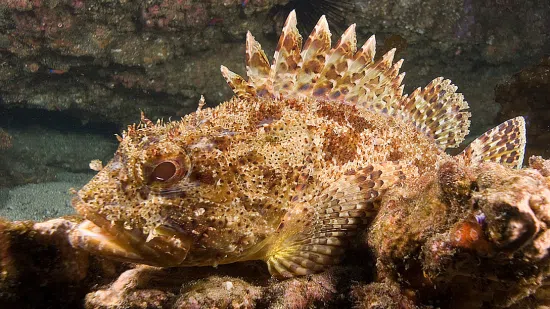
Frogfish (family Antennariidae), sometimes called anglerfish, are ambush predators built for stealth rather than speed. Instead of cruising the tank like most saltwater fish, frogfish perch, “walk” on modified fins, and use a specialized lure (the esca) to draw prey close before striking with rapid suction. Their camouflage, weird personality, and dramatic feeding behavior make them one of the most unique display fish in the marine hobby.
Frogfish can be excellent aquarium pets, but they’re “good” only in the right context. They are best suited for species-only or specialty predator tanks, not typical reef or community aquariums. The reason is simple: compatibility is determined by mouth gape, not temperament. If a fish or shrimp can fit in the frogfish’s mouth, it’s eventually at risk, often without warning.
The other major success factor is feeding discipline. Frogfish thrive when kept on a controlled schedule with appropriately sized, marine-based foods. Overfeeding is a more common problem than underfeeding, and it can lead to regurgitation or long-term health issues.
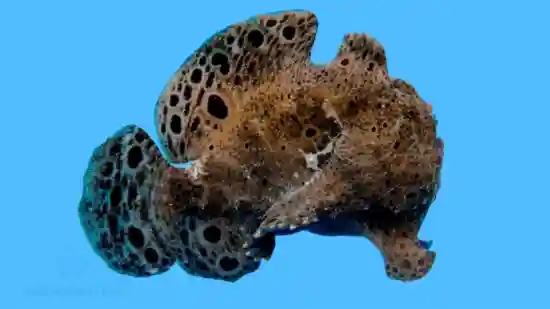
One Saltwaterfish.com reviewer of the Wartskin Angler shared: “Absolute unit. He was stressed out from shipping, but recovered quickly and is eating well\!”
Bottom line: frogfish are outstanding “centerpiece predators” when you plan around mouth size, feeding, and tank design. In the right setup, they’re hardy, fascinating, and unforgettable.
Frogfish are strict carnivorous ambush predators, and in captivity they thrive on a diet of meaty, marine-based foods that closely mimic their natural prey. In the wild, frogfish consume small fish and crustaceans that wander too close to their powerful mouths. In a home aquarium, providing the right type, size, and frequency of food is essential to their long-term health and survival.
Best foods for frogfish in captivity:
Frozen marine foods (preferred and recommended)
Most tank-conditioned frogfish adapt very well to frozen foods, which are safer and more nutritious than live feeders.
Silversides (appropriately sized)
Raw marine shrimp
Squid or octopus pieces
Marine fish flesh (saltwater species only)
These foods provide the protein and fats frogfish need without the disease risks associated with live prey.
Live food (temporary or transitional use only)
Live food is sometimes used to start feeding newly imported frogfish, but it should not be a long-term solution.
Live saltwater fish (never freshwater feeders)
Ghost shrimp (marine acclimated, short-term use)
Freshwater feeder fish should be avoided entirely due to poor nutrition and parasite risk.
Foods to avoid:
Freshwater feeder fish (goldfish, guppies)
Overly large prey (can cause regurgitation or injury)
Processed or seasoned seafood
How often should frogfish be fed?
Adults: Every 3–4 days
Juveniles: Every 2–3 days
Overfeeding is dangerous for frogfish and can lead to bloating, fatty liver disease, or regurgitation.
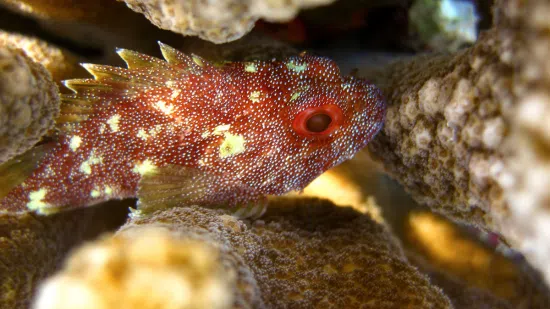
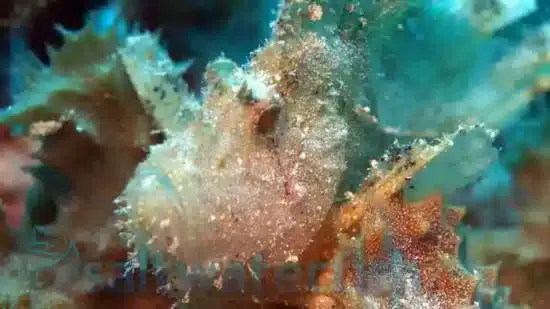
One Saltwaterfish.com reviewer of the Shaggy Anglerfish shared: “Ordered two of these guys and they acclimated great\! One came in looking a little rough but will keep an eye on him these next few days. Shipping was excellent.”
Pro feeding tips for frogfish:
Feed prey no larger than the frogfish’s mouth width
Use feeding tongs to control portions and prevent tankmate accidents
Thaw and rinse frozen foods before feeding
Remove uneaten food promptly
Maintain excellent filtration: frogfish are messy eaters
Bottom line:
Frogfish do best on a controlled diet of frozen, marine-based meaty foods, with live food used only as a temporary training tool if needed. When fed properly and not overfed, frogfish are hardy, fascinating predators that thrive in captivity. For responsibly sourced, tank-conditioned frogfish backed by Saltwaterfish.com’s 8-Day Live Guarantee, explore the Frogfish Collection and feed your angler with confidence.
Frogfish do not need live food long term, and most successful frogfish keepers aim to feed frozen, marine-based foods as the primary diet. Live food is best viewed as a short-term tool for newly imported or shy specimens, not the standard way to maintain a frogfish in captivity.
The key advantage of frozen foods is control. Frogfish are prone to overeating, and frozen feeding makes it easier to manage portion size and frequency. It also reduces the disease and parasite risks that come with live feeders. Freshwater feeder fish are especially problematic and should be avoided entirely.
Many tank-conditioned frogfish will readily take foods like silversides, marine shrimp, squid pieces, or marine fish flesh when presented with tongs and gentle movement. The goal is a consistent feeding response without turning every feeding into a “live hunt.”
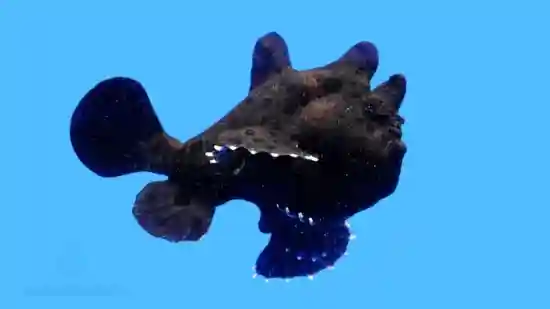
One Saltwaterfish.com reviewer of the Assorted Angler shared: “I ordered two and one passed away overnight. Within 24 hours of notifying their customer service, I was credited for the one that died. The other anglerfish is precious and eating live ghost shrimp. I do recommend you go online and order a supply of live ghost shrimp before your anglerfish comes in, so it can have food it will readily eat right away and reduce stress.”
Bottom line: frogfish can thrive on frozen foods and generally should. Live food is sometimes useful early on, but long-term success comes from transitioning to frozen marine foods and maintaining a controlled feeding schedule.
Frogfish are not reef safe in the way most aquarists mean it. While they typically won’t “pick at” corals like some angelfish or butterflies, frogfish are incompatible with reef tanks because they eat livestock and create unpredictable outcomes in mixed communities.
The defining issue is predation based on mouth size. Frogfish are designed to swallow surprisingly large prey in a single strike. In a reef tank, that means small fish, shrimp, and many invertebrates are always at risk, even if everything seems fine for weeks. Many losses occur overnight because frogfish don’t chase or display aggression; they simply strike when opportunity appears.
There’s also a practical reef-keeping issue: frogfish are heavy, perch-based predators. They may sit on frags, knock loose coral pieces, or stress delicate setups simply through their positioning and movement style. Their meaty diet can also increase nutrient load, which may conflict with ultra-low nutrient SPS systems.
One Saltwaterfish.com reviewer of the Sargassum Angler shared: “I got one of these fish from saltwaterfish.com and it was beyond expectations. He was big and healthy. He loves to swim around the tank half the day and sits the other half waiting to jump on an a meal passing by. This is a great fish that will add an interest piece to your tank to show all your friends.”
Bottom line: frogfish belong in species-only or predator tanks designed around their feeding behavior, not in mixed reef communities where “safe” livestock can disappear without warning.
Frogfish are best described as moderate difficulty, not because they require exotic water parameters, but because they demand discipline in two areas: feeding and compatibility.
From a water-quality standpoint, frogfish do well in standard marine conditions and don’t require intense lighting or complex aquascapes. They spend much of their time perched and don’t need massive swimming space compared to many active saltwater fish.
Where frogfish become challenging is owner behavior. They are easy to overfeed, and overfeeding can cause regurgitation, digestive stress, or long-term organ issues. They also cannot be housed “casually” with typical reef fish. The tank must be built around the frogfish’s mouth gape, because if something fits, it’s prey, even if the frogfish has been calm for months.
Once a frogfish is reliably eating frozen foods on a consistent schedule, day-to-day care becomes quite predictable.
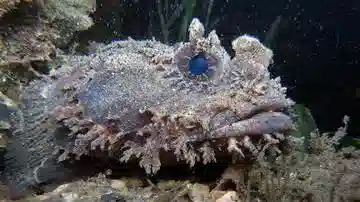
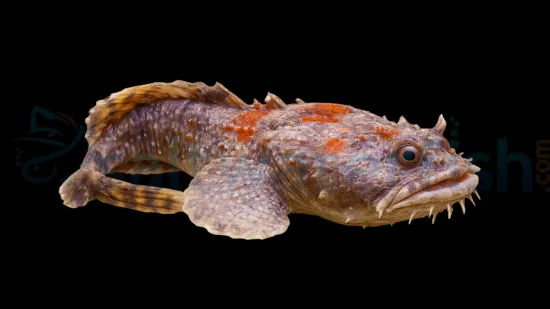
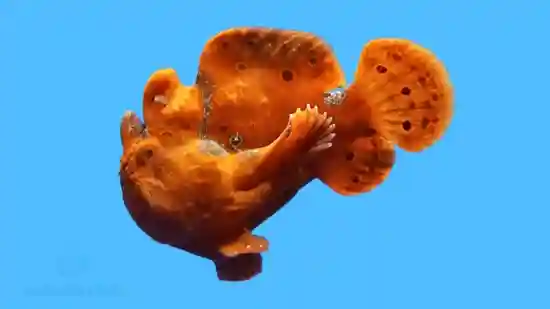
One Saltwaterfish.com reviewer of the Orange Atlantic Toadfish shared: “Great quality and arrived healthy.”
Bottom line: frogfish are manageable for aquarists who can commit to controlled feeding and conservative stocking. If you want a low-activity fish with high “wow factor” and you’re comfortable designing a specialty setup, frogfish are surprisingly straightforward to keep.
For most home aquariums, the best tank mate for a frogfish is no tank mate. Frogfish aren’t “mean,” but they are built to eat prey that wanders close, and compatibility is determined strictly by mouth gape and opportunity.
A species-only frogfish tank creates the cleanest, safest outcome: predictable feeding, minimal stress, and zero risk of waking up to missing fish. That’s why species-only setups are the most recommended approach by experienced keepers.
If someone insists on tank mates, they must be chosen conservatively: fast, alert, and far larger than the frogfish’s mouth, with no bottom-sleeping habits. Even then, risk never drops to zero, because frogfish don’t warn or chase. They strike when an opening appears.
Just as important: avoid shrimp, crabs, snails, and cleanup crew entirely. Even if they survive initially, they remain long-term prey items.
One Saltwaterfish.com reviewer of the Yellow Leaf Fish shared: “This is a great Yellow Leaf Fish who showed up healthy and happy. He was shy at first in my quarantine tank but after moving him over to the main tank he has been quite the showman. Beautiful fish to add to a reef tank.”
Bottom line: species-only is the safest and most responsible choice. Tank mates are an advanced, high-risk option that should only be attempted in large systems with full acceptance of potential losses.
Frogfish are often perceived as “small” aquarium fish, but their adult size varies significantly by species, and their mouth size and body mass matter far more than their total length. In captivity, most commonly kept frogfish grow to 4–6 inches, while some larger species can reach 8–12 inches when fully mature. Understanding their true adult size is essential for proper tank planning, feeding, and compatibility.
Typical adult sizes of popular frogfish species:
Painted Frogfish *(Antennarius pictus)
Adult size: 4–5 inches
One of the most common and manageable species
Ideal for 30–40 gallon species tanks
Warty Frogfish *(Antennarius maculatus)
Adult size: 5–6 inches
Thick-bodied and heavy for its length
Requires stable rockwork and perching areas
Giant Frogfish *(Antennarius commerson)
Adult size: 10–12 inches
Much bulkier than smaller species
Best suited for 75+ gallon aquariums
Why frogfish size is often underestimated:
Frogfish grow wider and heavier, not just longer
Their mouths can expand to swallow prey nearly their own size
A 5-inch frogfish can easily eat a 3–4 inch fish
Juveniles grow steadily when fed properly
Tank size considerations based on adult size:
Small species: 30+ gallons
Medium species: 40–55 gallons
Large species: 75+ gallons
Overcrowding or undersized tanks often lead to stress, feeding issues, or fatal compatibility mistakes.
One Saltwaterfish.com reviewer of the Red/Purple Rhinopias shared: “Very good Rhinopias: Red/Purple for your tank. I have lost this species and don't know why. Purchased a new one which just arrived.”
Pro tips for planning around frogfish size:
Always plan for adult size, not current size
Choose tank mates based on mouth gape, not length
Avoid frequent upgrades by sizing the tank correctly from the start
- Maintain strong filtration: larger frogfish produce more waste
Bottom line:
Most frogfish grow to 4–6 inches, but some species reach 10–12 inches, making proper planning essential. Their compact length can be misleading, as their bulk and feeding ability far exceed expectations. For responsibly sourced, tank-conditioned frogfish backed by Saltwaterfish.com’s 8-Day Live Guarantee.
Frogfish are not aggressive in the territorial, bullying sense. They don’t chase tankmates, defend territory, or harass other fish. Instead, frogfish are efficient ambush predators, and that distinction matters because it changes how you evaluate risk.
Most “aggression” complaints about frogfish are actually predation events. Frogfish eat based on opportunity and mouth size, not mood. They can remain motionless for hours or days, then strike in milliseconds when prey comes within range. This makes losses feel sudden and random, but the behavior is instinctual and predictable.
A frogfish that is housed alone (or with truly incompatible-by-mouth-size tankmates) is typically calm, sedentary, and non-confrontational. Problems only appear when a tank is stocked like a community aquarium, where something small or slow becomes available as prey.
One Saltwaterfish.com reviewer of the Pygmy Red Rooster Waspfish shared: “I’ve been looking for a wasp fish for a long time. This little guy seems happy and healthy.”
Bottom line: frogfish aren’t aggressive bullies, but they are predators with a feeding mechanism that makes them incompatible with many tankmates. If you plan around mouth gape and keep stocking conservative, frogfish are peaceful until prey is introduced.
Frogfish are truly one of the most unique saltwater fish in the aquarium hobby, offering behaviors and adaptations that are completely different from typical reef or community fish. Belonging to the anglerfish family (Antennariidae), frogfish don’t rely on speed, schooling, or constant movement. Instead, they are masters of camouflage, patience, and explosive ambush predation, making them fascinating display animals for specialized aquariums.
Key traits that make frogfish unlike any other marine fish:
Built-in fishing lure (esca)
Frogfish possess a modified dorsal spine that acts as a natural lure, which they wiggle to attract prey directly to their mouth. This angling behavior is rarely seen in home aquariums and is one of the most captivating feeding strategies in marine life.
Lightning-fast strike speed
While frogfish appear slow and clumsy, their feeding strike is among the fastest movements in the animal kingdom, occurring in milliseconds. They use powerful suction to swallow prey nearly their own size in a single motion.
Camouflage and color-changing ability
Frogfish can mimic sponges, rocks, algae, and corals. Many species can change color over time to blend into their environment, making every specimen visually unique.
“Walking” instead of swimming
Instead of swimming constantly, frogfish use modified pectoral fins to walk, perch, and climb across rockwork. This behavior gives them a completely different presence than active swimmers like tangs or wrasses.
Compact size with big impact
Most frogfish remain 4–6 inches, yet their body mass and mouth size rival much larger fish, allowing them to be housed in relatively modest tanks compared to other predators.
One Saltwaterfish.com reviewer of the Wartskin Angler shared: “I bought this Wartskin Angler here and to show you how hardy this guy is, he was the most active of 5 fish I had delivered when outside temp in MN was 21 degree out and bag water was at 68 degrees. All survived after 2 1/2 hr slow drip acclimation. He is a colorful little guy to watch darting around the tank. He is constantly on the move searching for food or detritus on the bottom as well as on reef rock. Likes to dart in and out of rock. He is getting much better at snagging Mysis shrimp I drop in before the other 6 fish hog it all, especially my Hamlet Indigo who gobbles everything that moves. A joy to watch.”
Why frogfish appeal to experienced aquarists:
No need for intense lighting
Minimal swimming space required
Incredible behavior-to-size ratio
Ideal for species-only or display-focused tanks
Bottom line:
Frogfish stand apart from all other saltwater fish due to their luring behavior, ambush feeding, camouflage, and perch-based lifestyle. They are living proof that movement isn’t required to command attention. For aquarists seeking something truly different, frogfish deliver unmatched intrigue. For responsibly sourced, tank-conditioned frogfish backed by Saltwaterfish.com’s 8-Day Live Guarantee.
A healthy frogfish displays a combination of physical condition, behavior, and feeding response that clearly indicates it is settled, stress-free, and thriving in captivity. Because frogfish are naturally sedentary and cryptic, their health indicators are different from active reef fish. Knowing what healthy looks like helps you catch issues early and avoid common husbandry mistakes.
Key signs of a healthy frogfish:
Full, well-rounded body shape
Healthy frogfish appear thick, rounded, and proportionate, especially behind the head and along the belly.
No pinched areas behind the head
No sunken abdomen
Body looks solid, not deflated
Sudden weight loss is one of the earliest warning signs of trouble.
Clear, alert eyes
The eyes should be clear and responsive, not cloudy or sunken. Frogfish often track movement in the tank, especially during feeding time.
Strong feeding response
A healthy frogfish:
Shows interest when food is presented
Strikes decisively when prey is within range
Does not regurgitate food afterward
Frogfish that repeatedly refuse food or spit meals back out may be stressed, overfed, or dealing with internal issues.
Stable perching behavior
Healthy frogfish perch confidently on rockwork, sponges, or the substrate.
They reposition occasionally
They are not constantly floating, tumbling, or lying on their side
Erratic movement or inability to perch often signals stress or declining health.
Intact skin and coloration
The skin should appear smooth (or textured, depending on species) with no open sores, excessive redness, or fuzzy patches. Color variation is normal, but rapid deterioration is not.
One Saltwaterfish.com reviewer of the Assorted Angler shared: “I love the angler fish it came alive and healthy I like the color.”
Common warning signs to watch for:
Refusing food for extended periods
Regurgitation after feeding
Labored breathing
Lesions or peeling skin
Excessive lethargy beyond normal resting
Pro tips to keep frogfish healthy:
Feed appropriately sized meals every 2–4 days
Avoid overfeeding
Maintain stable salinity and temperature
Use strong filtration
Keep frogfish in species-only or carefully planned tanks
Bottom line:
A healthy frogfish is well-rounded, alert, responsive to food, and stable in its perching behavior, with clean skin and clear eyes. When these signs are present, frogfish are hardy, long-lived, and incredibly rewarding to keep. For responsibly sourced, tank-conditioned frogfish backed by Saltwaterfish.com’s 8-Day Live Guarantee, explore the Frogfish Collection and choose with confidence.