

Lobsters In Saltwater Aquariums: FAQ
Yes, you can keep a pet lobster in a saltwater aquarium but only in the right type of system with realistic expectations. Aquarium lobsters are not reef-safe ornamental invertebrates; they are hardy, nocturnal crustaceans best suited for fish-only-with-live-rock (FOWLR) or predator-style tanks.
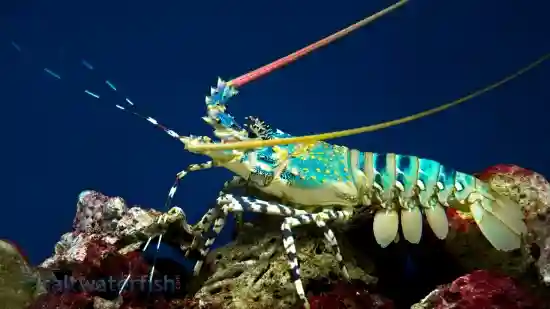
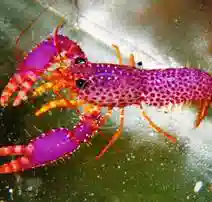
Most lobsters sold for aquariums are reef-associated species such as reef lobsters, spiny lobsters, or slipper lobsters. These animals adapt well to captivity when given space, secure rockwork, and stable water quality. However, they are opportunistic predators and scavengers, not passive tank residents.
Lobsters should never be added to tanks where cleanup crews, shrimp, or small bottom-dwelling fish are expected to survive. They are also poor fits for delicate reef systems, not because they harm corals directly, but because their feeding habits and behavior conflict with reef livestock.
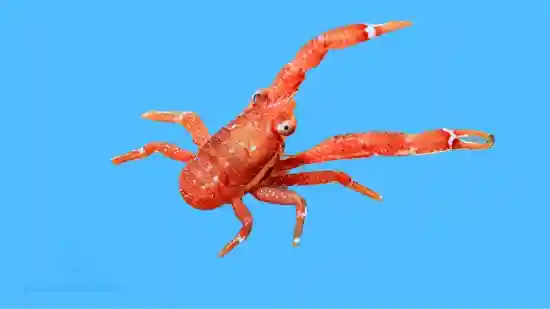
One Saltwaterfish.com reviewer of the Colored Crinoid Squat Lobster shared: “Crinoid Squat Lobster Great addition to 28g Biocube reef tank. Very healthy and active. Add great color to coral tank.”
Bottom line: pet lobsters can be kept successfully, but they are feature animals, not community invertebrates. They belong in appropriately sized FOWLR or predator tanks where their natural behavior is expected and appreciated.
Saltwater lobsters are opportunistic carnivores and scavengers, and in captivity they require a meaty, protein-rich diet to stay healthy, active, and properly molted. While they are often marketed as interesting “cleanup-style” invertebrates, lobsters should never be relied on to live off leftovers alone. Proper feeding is essential for long-term success.
Primary foods for saltwater lobsters in aquariums:
Meaty marine-based foods (staple diet)
Lobsters thrive on a variety of marine proteins, including:
Shrimp (raw, marine-sourced)
Clams, mussels, or scallops (chopped)
Squid or octopus
Silversides or marine fish flesh
These foods support muscle growth, energy levels, and healthy molting cycles.
Frozen foods (highly recommended)
Most aquarium lobsters readily accept frozen foods, which are safer and more consistent than live prey:
Mysis shrimp
Chopped seafood blends
Frozen carnivore formulas
Occasional scavenging behavior
Lobsters will opportunistically eat:
Uneaten fish food
Carrion (dead fish or invertebrates)
However, scavenging alone is not nutritionally sufficient and should be viewed as supplemental, not primary feeding.
Foods to avoid:
Freshwater feeder fish
Processed or seasoned seafood
Plant-based or algae-only foods
How often should lobsters be fed?
2–3 times per week for most species
Overfeeding can lead to poor water quality, while underfeeding may increase aggression or predatory behavior toward tank mates.
Pro feeding tips for saltwater lobsters:
Feed after lights out when lobsters are most active
Use feeding tongs to prevent food theft by fish
Remove uneaten food promptly
Maintain strong filtration: lobsters are messy eaters
Ensure adequate iodine and calcium through regular water changes
Bottom line:
Saltwater lobsters require a regular diet of meaty, marine-based foods to thrive in captivity. While they will scavenge, intentional feeding is essential for health, proper molting, and predictable behavior. For responsibly sourced, tank-conditioned saltwater lobsters backed by Saltwaterfish.com’s 8-Day Live Guarantee, explore the Lobster Collection and care for your invertebrate with confidence.
Aquarium lobsters grow much larger than many hobbyists expect, and understanding their adult size is critical before adding one to a saltwater tank. While they are often sold as small, eye-catching juveniles, many commonly available saltwater lobsters can reach 8–24 inches in length, depending on the species. Their growth rate, armored bodies, and long antennae mean they require far more space than their initial size suggests.
Typical adult sizes of common aquarium lobsters:
Reef Lobsters (Enoplometopus species)
Adult size: 4–6 inches
One of the smallest and most manageable lobster types
Still predatory, but better suited to mid-sized tanks
Spiny Lobsters (Panulirus species)
Adult size: 12–24+ inches
Grow very large and powerful
Require extremely large aquariums (300+ gallons long term)
Slipper Lobsters (Scyllaridae family)
Adult size: 8–12 inches
Thick-bodied and heavy for their length
Need ample floor space and strong filtration
Why lobster size matters in aquariums:
Larger lobsters can catch sleeping or slow fish
They easily overpower cleanup crew and invertebrates
Growth increases bioload and filtration demands
Adult lobsters require large caves and secure rockwork
Undersized tanks lead to stress, aggression, and escape attempts
Many lobster-related issues arise not from aggression, but from outgrowing the system they were placed in.
Pro tips before choosing a lobster:
Always plan for adult size, not store size
Research the exact species before purchasing
Choose tanks based on floor space and structure
Expect long-term commitment: lobsters can live many years
- Avoid reef tanks and small community systems
Bottom line:
Aquarium lobsters can range from 4 inches to well over 2 feet, depending on species. While reef lobsters are the most manageable option, many lobster species quickly outgrow standard home aquariums. For responsibly sourced, tank-conditioned saltwater lobsters backed by Saltwaterfish.com’s 8-Day Live Guarantee.
Keeping a lobster alive in a home aquarium is not inherently difficult, but success depends almost entirely on housing it in the correct environment. Lobsters are often labeled “hard to keep” because they’re placed into reef or community tanks where their behavior causes problems, not because they are fragile animals.
In reality, aquarium lobsters are quite hardy. They tolerate standard marine water parameters well, are not sensitive to lighting, and readily accept frozen and fresh meaty foods. When housed in appropriately sized tanks with secure rockwork and compatible tank mates, they are low-maintenance and resilient.
Most failures occur due to:
Undersized tanks
Incompatible fish or invertebrates
Expecting lobsters to coexist with cleanup crews
Poor molting conditions caused by instability
When kept in FOWLR or predator-style systems, lobsters thrive and often become long-term residents.
Bottom line: lobsters are easy to keep alive when their environment matches their biology. The challenge isn’t care complexity, it’s choosing the right setup from the start.
Saltwater aquarium lobsters are long-lived invertebrates, and with proper care, many species can live 5–15 years or more in captivity. Their lifespan depends heavily on species, tank size, diet, and long-term stability, making them a serious commitment rather than a short-term novelty animal.
Typical lifespans by lobster type:
Reef Lobsters *(Enoplometopus species)
Average lifespan: 5–10+ years
Smaller and more manageable
Often the longest-lived in well-maintained home aquariums
Slipper Lobsters (Scyllaridae family)
Average lifespan: 8–12 years
Thick-bodied and hardy
Require ample floor space and strong filtration
Spiny Lobsters (Panulirus species)
Average lifespan: 10–20+ years
Grow very large
Best suited for extremely large systems or public-style aquariums
Many aquarium lobsters die prematurely not due to age, but because they outgrow their tanks, experience failed molts, or are housed with incompatible tank mates.
Key factors that determine lobster lifespan:
Tank size and environment
Undersized tanks cause chronic stress, aggressive behavior, and poor molting success. Larger tanks dramatically increase longevity.
Successful molting cycles
Lobsters molt regularly to grow. Stable salinity, temperature, and good nutrition are essential for clean molts. Failed molts are one of the leading causes of early death.
Proper diet
A consistent diet of marine-based meaty foods (shrimp, clams, squid) supports muscle development and shell health.
Compatibility and stress reduction
Aggressive tank mates, frequent disturbance, or lack of hiding spaces shorten lifespan significantly.
Pro tips to maximize lobster lifespan:
Plan for adult size from day one
Provide caves and secure rockwork
Feed 2–3 times per week
Maintain stable parameters during molts
- Avoid reef tanks and cleanup-crew-heavy systems
Bottom line:
Saltwater aquarium lobsters can live 5–15+ years when housed in properly sized, stable aquariums with appropriate tank mates and nutrition. They are hardy, long-term pets, not disposable invertebrates. For responsibly sourced, tank-conditioned saltwater lobsters backed by Saltwaterfish.com’s 8-Day Live Guarantee, explore the Lobster Collection and invest confidently in an invertebrate you can enjoy for many years.
Yes, most saltwater aquarium lobsters will eat other invertebrates and may eat fish under the right circumstances. This behavior is natural and predictable, not random aggression.
Invertebrates are at the highest risk. Snails, hermit crabs, shrimp, and small crabs are almost always eaten over time, even if the lobster appears peaceful initially. Cleanup crews rarely survive long-term with lobsters.
Fish are a situational risk. Lobsters are not active hunters, but they can catch:
Slow-moving fish
Sleeping fish
Bottom-dwelling species
Injured or weakened individuals
Most predation occurs at night, when lobsters are active and fish are less alert. As lobsters grow and molt, their strength and confidence increase, which is why losses often occur weeks or months after introduction.
Bottom line: lobsters should be housed with fast, confident fish in systems where invertebrate losses are expected. They are best suited for FOWLR or predator tanks, not mixed reef communities.
You don’t need highly specialized or exotic equipment to keep a saltwater lobster, but you do need a properly planned setup that accounts for their size, strength, feeding habits, and molting cycles. Lobsters are hardy invertebrates, but most problems arise when they’re placed into tanks designed for reefs or small community fish rather than FOWLR or predator-style systems.
Essential equipment for keeping a lobster successfully:
Strong filtration (non-negotiable)
Lobsters are messy eaters and produce a heavy bioload.
Oversized protein skimmer
Robust biological filtration (live rock, media)
Regular mechanical filtration maintenance
Good filtration is more important than chasing ultra-low nutrients.
Secure aquascaping and shelters
Lobsters require:
Solid, well-secured rockwork
Multiple caves or crevices
Stable structures that won’t collapse during nighttime activity
This is critical during molting, when lobsters are vulnerable and need to hide.
Tight-fitting lid or canopy
Some lobster species are excellent climbers.
Open-top tanks increase escape risk
Lids protect both the lobster and your floors
Standard marine lighting (nothing special required)
Lobsters are nocturnal and do not need reef lighting. Standard fish-only lighting is perfectly sufficient.
Stable heating and circulation
Reliable heater with controller if possible
Moderate water flow for oxygenation
No need for high-flow reef-style circulation
What you usually do not need:
Specialized supplements (regular water changes provide calcium)
Reef-level lighting
Target-feeding tools beyond basic tongs
Pro tips for lobster setups:
Plan for adult size, not juvenile size
Avoid reef tanks and cleanup-crew-dependent systems
Feed meaty foods 2–3 times per week
Maintain stable salinity during molts
Bottom line:
Lobsters don’t need special equipment, but they do need the right kind of tank. Strong filtration, secure rockwork, and a covered aquarium are far more important than advanced gadgets. When housed in a properly planned FOWLR or predator system, lobsters are hardy, long-lived, and rewarding to keep. For responsibly sourced, tank-conditioned saltwater lobsters backed by Saltwaterfish.com’s 8-Day Live Guarantee, explore the Lobster Collection and set up your tank with confidence.
Keeping a pet lobster in a saltwater aquarium can be highly rewarding, but it also requires clear expectations and the right type of setup. Lobsters are not decorative reef invertebrates or cleanup crew members. They are intelligent, opportunistic crustaceans that behave more like nocturnal predators than passive tank residents. For the right aquarist, the benefits can outweigh the drawbacks, but understanding both sides is essential before committing.
Pros of keeping a saltwater aquarium lobster:
Hardy and resilient
Most aquarium lobster species are tough and adapt well to captivity when provided with stable water parameters and hiding spaces. They are generally disease-resistant compared to many fish.
Unique behavior and personality
Lobsters are highly engaging, especially at night. Watching them explore rockwork, forage, and interact with their environment adds a behavioral element few invertebrates offer.
Long lifespan
Many saltwater lobsters live 5–15+ years in captivity, making them true long-term pets rather than short-lived additions.
Low lighting requirements
Lobsters are nocturnal and do not require reef lighting, making them ideal for FOWLR or predator-style tanks.
Cons of keeping a pet lobster:
Not reef safe
Lobsters will eat snails, crabs, shrimp, and other invertebrates. Cleanup crews rarely survive long term.
Risk to fish
While not active hunters, lobsters may catch slow, sleeping, or weakened fish, especially after lights out.
Tank size and growth
Many species grow much larger than expected and require 75–300+ gallon systems depending on species.
Heavy bioload
Their meaty diet increases waste, requiring strong filtration and consistent maintenance.
Pro tips before choosing a lobster:
Plan for adult size, not juvenile size
Avoid reef and cleanup-crew-dependent tanks
Provide multiple secure hiding spaces
Feed meaty foods 2–3 times per week
- Use a tight-fitting lid to prevent escapes
Bottom line:
A pet lobster offers durability, personality, and long-term interest, but at the cost of reef compatibility and tankmate flexibility. In properly planned FOWLR or predator systems, lobsters can be fascinating, long-lived additions. For responsibly sourced, tank-conditioned saltwater lobsters backed by Saltwaterfish.com’s 8-Day Live Guarantee, explore the Lobster Collection and decide with confidence whether a lobster fits your aquarium goals.
Lobsters are often misunderstood as “cleaner” animals, but the truth is that lobsters do not function as true cleanup crew members in a saltwater aquarium. While they will scavenge uneaten food, they do not provide meaningful cleaning benefits and often increase overall maintenance needs.
Lobsters do not eat algae, maintain sand beds, or control nutrients. In fact, they typically eliminate true cleanup crew members like snails and hermit crabs, removing the animals that actually perform those roles.
Their scavenging behavior can reduce localized waste in predator tanks, but this benefit is offset by:
Heavy bioload from meaty diets
Molting waste
- Increased nutrient production
For this reason, lobsters are best viewed as feature invertebrates, not functional janitors.
Bottom line: lobsters may scavenge leftovers, but they do not clean aquariums in a meaningful way. They belong in systems where filtration and husbandry, not livestock, handle tank cleanliness.
Most saltwater aquarium lobsters should be fed 2–3 times per week, not daily. Lobsters are opportunistic carnivores with slow, efficient metabolisms, and overfeeding is one of the most common mistakes hobbyists make. When fed appropriately, lobsters remain active, molt successfully, and are far less likely to harass tank mates or foul water quality.
Why lobsters don’t need daily feeding:
Natural scavenger biology
In the wild, lobsters do not eat large meals every day. They forage at night and consume food opportunistically, which means they are well adapted to intermittent feeding schedules.
Overfeeding leads to problems
Feeding too often can cause:
Rapid nutrient buildup
Poor water quality
Increased algae growth
Aggressive scavenging behavior
Molting complications
Controlled feeding keeps both the lobster and the aquarium healthier.
Recommended feeding schedule:
Standard aquarium lobsters: 2–3 times per week
Large or very active species: Up to 3 times per week
Newly introduced lobsters: Small portions, spaced out
What to feed at each meal:
Raw marine shrimp
Chopped clams or mussels
Squid or scallop pieces
Frozen carnivore blends
Portions should be small and fully consumed within a few minutes.
Best time to feed lobsters:
Lobsters are nocturnal, so feeding after lights out or during low-light periods produces the best feeding response and reduces competition from fish.
Pro feeding tips for aquarium lobsters:
Use feeding tongs to place food near their hiding spot
Remove uneaten food promptly
Maintain strong filtration
Do not rely on scavenging alone
- Ensure stable parameters during molting periods
Bottom line:
Aquarium lobsters should be fed 2–3 times per week with meaty marine foods. More frequent feeding doesn’t improve health and often creates water-quality issues. With a controlled schedule and proper portions, lobsters remain hardy, predictable, and long-lived. For responsibly sourced, tank-conditioned saltwater lobsters backed by Saltwaterfish.com’s 8-Day Live Guarantee, explore the Lobster Collection and care for your invertebrate with confidence.
Lobsters In Saltwater Aquariums: FAQ
Yes, you can keep a pet lobster in a saltwater aquarium but only in the right type of system with realistic expectations. Aquarium lobsters are not reef-safe ornamental invertebrates; they are hardy, nocturnal crustaceans best suited for fish-only-with-live-rock (FOWLR) or predator-style tanks.
Most lobsters sold for aquariums are reef-associated species such as reef lobsters, spiny lobsters, or slipper lobsters. These animals adapt well to captivity when given space, secure rockwork, and stable water quality. However, they are opportunistic predators and scavengers, not passive tank residents.
Lobsters should never be added to tanks where cleanup crews, shrimp, or small bottom-dwelling fish are expected to survive. They are also poor fits for delicate reef systems, not because they harm corals directly, but because their feeding habits and behavior conflict with reef livestock.
One Saltwaterfish.com reviewer of the Colored Crinoid Squat Lobster shared: “Crinoid Squat Lobster Great addition to 28g Biocube reef tank. Very healthy and active. Add great color to coral tank.”
Bottom line: pet lobsters can be kept successfully, but they are feature animals, not community invertebrates. They belong in appropriately sized FOWLR or predator tanks where their natural behavior is expected and appreciated.
Saltwater lobsters are opportunistic carnivores and scavengers, and in captivity they require a meaty, protein-rich diet to stay healthy, active, and properly molted. While they are often marketed as interesting “cleanup-style” invertebrates, lobsters should never be relied on to live off leftovers alone. Proper feeding is essential for long-term success.
Primary foods for saltwater lobsters in aquariums:
Meaty marine-based foods (staple diet)
Lobsters thrive on a variety of marine proteins, including:
Shrimp (raw, marine-sourced)
Clams, mussels, or scallops (chopped)
Squid or octopus
Silversides or marine fish flesh
These foods support muscle growth, energy levels, and healthy molting cycles.
Frozen foods (highly recommended)
Most aquarium lobsters readily accept frozen foods, which are safer and more consistent than live prey:
Mysis shrimp
Chopped seafood blends
Frozen carnivore formulas
Occasional scavenging behavior
Lobsters will opportunistically eat:
Uneaten fish food
Carrion (dead fish or invertebrates)
However, scavenging alone is not nutritionally sufficient and should be viewed as supplemental, not primary feeding.
Foods to avoid:
Freshwater feeder fish
Processed or seasoned seafood
Plant-based or algae-only foods
How often should lobsters be fed?
2–3 times per week for most species
Overfeeding can lead to poor water quality, while underfeeding may increase aggression or predatory behavior toward tank mates.
Pro feeding tips for saltwater lobsters:
Feed after lights out when lobsters are most active
Use feeding tongs to prevent food theft by fish
Remove uneaten food promptly
Maintain strong filtration: lobsters are messy eaters
Ensure adequate iodine and calcium through regular water changes
Bottom line:
Saltwater lobsters require a regular diet of meaty, marine-based foods to thrive in captivity. While they will scavenge, intentional feeding is essential for health, proper molting, and predictable behavior. For responsibly sourced, tank-conditioned saltwater lobsters backed by Saltwaterfish.com’s 8-Day Live Guarantee, explore the Lobster Collection and care for your invertebrate with confidence.
Aquarium lobsters grow much larger than many hobbyists expect, and understanding their adult size is critical before adding one to a saltwater tank. While they are often sold as small, eye-catching juveniles, many commonly available saltwater lobsters can reach 8–24 inches in length, depending on the species. Their growth rate, armored bodies, and long antennae mean they require far more space than their initial size suggests.
Typical adult sizes of common aquarium lobsters:
Reef Lobsters (Enoplometopus species)
Adult size: 4–6 inches
One of the smallest and most manageable lobster types
Still predatory, but better suited to mid-sized tanks
Spiny Lobsters (Panulirus species)
Adult size: 12–24+ inches
Grow very large and powerful
Require extremely large aquariums (300+ gallons long term)
Slipper Lobsters (Scyllaridae family)
Adult size: 8–12 inches
Thick-bodied and heavy for their length
Need ample floor space and strong filtration
Why lobster size matters in aquariums:
Larger lobsters can catch sleeping or slow fish
They easily overpower cleanup crew and invertebrates
Growth increases bioload and filtration demands
Adult lobsters require large caves and secure rockwork
Undersized tanks lead to stress, aggression, and escape attempts
Many lobster-related issues arise not from aggression, but from outgrowing the system they were placed in.
Pro tips before choosing a lobster:
Always plan for adult size, not store size
Research the exact species before purchasing
Choose tanks based on floor space and structure
Expect long-term commitment: lobsters can live many years
- Avoid reef tanks and small community systems
Bottom line:
Aquarium lobsters can range from 4 inches to well over 2 feet, depending on species. While reef lobsters are the most manageable option, many lobster species quickly outgrow standard home aquariums. For responsibly sourced, tank-conditioned saltwater lobsters backed by Saltwaterfish.com’s 8-Day Live Guarantee.
Keeping a lobster alive in a home aquarium is not inherently difficult, but success depends almost entirely on housing it in the correct environment. Lobsters are often labeled “hard to keep” because they’re placed into reef or community tanks where their behavior causes problems, not because they are fragile animals.
In reality, aquarium lobsters are quite hardy. They tolerate standard marine water parameters well, are not sensitive to lighting, and readily accept frozen and fresh meaty foods. When housed in appropriately sized tanks with secure rockwork and compatible tank mates, they are low-maintenance and resilient.
Most failures occur due to:
Undersized tanks
Incompatible fish or invertebrates
Expecting lobsters to coexist with cleanup crews
Poor molting conditions caused by instability
When kept in FOWLR or predator-style systems, lobsters thrive and often become long-term residents.
Bottom line: lobsters are easy to keep alive when their environment matches their biology. The challenge isn’t care complexity, it’s choosing the right setup from the start.
Saltwater aquarium lobsters are long-lived invertebrates, and with proper care, many species can live 5–15 years or more in captivity. Their lifespan depends heavily on species, tank size, diet, and long-term stability, making them a serious commitment rather than a short-term novelty animal.
Typical lifespans by lobster type:
Reef Lobsters *(Enoplometopus species)
Average lifespan: 5–10+ years
Smaller and more manageable
Often the longest-lived in well-maintained home aquariums
Slipper Lobsters (Scyllaridae family)
Average lifespan: 8–12 years
Thick-bodied and hardy
Require ample floor space and strong filtration
Spiny Lobsters (Panulirus species)
Average lifespan: 10–20+ years
Grow very large
Best suited for extremely large systems or public-style aquariums
Many aquarium lobsters die prematurely not due to age, but because they outgrow their tanks, experience failed molts, or are housed with incompatible tank mates.
Key factors that determine lobster lifespan:
Tank size and environment
Undersized tanks cause chronic stress, aggressive behavior, and poor molting success. Larger tanks dramatically increase longevity.
Successful molting cycles
Lobsters molt regularly to grow. Stable salinity, temperature, and good nutrition are essential for clean molts. Failed molts are one of the leading causes of early death.
Proper diet
A consistent diet of marine-based meaty foods (shrimp, clams, squid) supports muscle development and shell health.
Compatibility and stress reduction
Aggressive tank mates, frequent disturbance, or lack of hiding spaces shorten lifespan significantly.
Pro tips to maximize lobster lifespan:
Plan for adult size from day one
Provide caves and secure rockwork
Feed 2–3 times per week
Maintain stable parameters during molts
- Avoid reef tanks and cleanup-crew-heavy systems
Bottom line:
Saltwater aquarium lobsters can live 5–15+ years when housed in properly sized, stable aquariums with appropriate tank mates and nutrition. They are hardy, long-term pets, not disposable invertebrates. For responsibly sourced, tank-conditioned saltwater lobsters backed by Saltwaterfish.com’s 8-Day Live Guarantee, explore the Lobster Collection and invest confidently in an invertebrate you can enjoy for many years.
Yes, most saltwater aquarium lobsters will eat other invertebrates and may eat fish under the right circumstances. This behavior is natural and predictable, not random aggression.
Invertebrates are at the highest risk. Snails, hermit crabs, shrimp, and small crabs are almost always eaten over time, even if the lobster appears peaceful initially. Cleanup crews rarely survive long-term with lobsters.
Fish are a situational risk. Lobsters are not active hunters, but they can catch:
Slow-moving fish
Sleeping fish
Bottom-dwelling species
Injured or weakened individuals
Most predation occurs at night, when lobsters are active and fish are less alert. As lobsters grow and molt, their strength and confidence increase, which is why losses often occur weeks or months after introduction.
Bottom line: lobsters should be housed with fast, confident fish in systems where invertebrate losses are expected. They are best suited for FOWLR or predator tanks, not mixed reef communities.
You don’t need highly specialized or exotic equipment to keep a saltwater lobster, but you do need a properly planned setup that accounts for their size, strength, feeding habits, and molting cycles. Lobsters are hardy invertebrates, but most problems arise when they’re placed into tanks designed for reefs or small community fish rather than FOWLR or predator-style systems.
Essential equipment for keeping a lobster successfully:
Strong filtration (non-negotiable)
Lobsters are messy eaters and produce a heavy bioload.
Oversized protein skimmer
Robust biological filtration (live rock, media)
Regular mechanical filtration maintenance
Good filtration is more important than chasing ultra-low nutrients.
Secure aquascaping and shelters
Lobsters require:
Solid, well-secured rockwork
Multiple caves or crevices
Stable structures that won’t collapse during nighttime activity
This is critical during molting, when lobsters are vulnerable and need to hide.
Tight-fitting lid or canopy
Some lobster species are excellent climbers.
Open-top tanks increase escape risk
Lids protect both the lobster and your floors
Standard marine lighting (nothing special required)
Lobsters are nocturnal and do not need reef lighting. Standard fish-only lighting is perfectly sufficient.
Stable heating and circulation
Reliable heater with controller if possible
Moderate water flow for oxygenation
No need for high-flow reef-style circulation
What you usually do not need:
Specialized supplements (regular water changes provide calcium)
Reef-level lighting
Target-feeding tools beyond basic tongs
Pro tips for lobster setups:
Plan for adult size, not juvenile size
Avoid reef tanks and cleanup-crew-dependent systems
Feed meaty foods 2–3 times per week
Maintain stable salinity during molts
Bottom line:
Lobsters don’t need special equipment, but they do need the right kind of tank. Strong filtration, secure rockwork, and a covered aquarium are far more important than advanced gadgets. When housed in a properly planned FOWLR or predator system, lobsters are hardy, long-lived, and rewarding to keep. For responsibly sourced, tank-conditioned saltwater lobsters backed by Saltwaterfish.com’s 8-Day Live Guarantee, explore the Lobster Collection and set up your tank with confidence.
Keeping a pet lobster in a saltwater aquarium can be highly rewarding, but it also requires clear expectations and the right type of setup. Lobsters are not decorative reef invertebrates or cleanup crew members. They are intelligent, opportunistic crustaceans that behave more like nocturnal predators than passive tank residents. For the right aquarist, the benefits can outweigh the drawbacks, but understanding both sides is essential before committing.
Pros of keeping a saltwater aquarium lobster:
Hardy and resilient
Most aquarium lobster species are tough and adapt well to captivity when provided with stable water parameters and hiding spaces. They are generally disease-resistant compared to many fish.
Unique behavior and personality
Lobsters are highly engaging, especially at night. Watching them explore rockwork, forage, and interact with their environment adds a behavioral element few invertebrates offer.
Long lifespan
Many saltwater lobsters live 5–15+ years in captivity, making them true long-term pets rather than short-lived additions.
Low lighting requirements
Lobsters are nocturnal and do not require reef lighting, making them ideal for FOWLR or predator-style tanks.
Cons of keeping a pet lobster:
Not reef safe
Lobsters will eat snails, crabs, shrimp, and other invertebrates. Cleanup crews rarely survive long term.
Risk to fish
While not active hunters, lobsters may catch slow, sleeping, or weakened fish, especially after lights out.
Tank size and growth
Many species grow much larger than expected and require 75–300+ gallon systems depending on species.
Heavy bioload
Their meaty diet increases waste, requiring strong filtration and consistent maintenance.
Pro tips before choosing a lobster:
Plan for adult size, not juvenile size
Avoid reef and cleanup-crew-dependent tanks
Provide multiple secure hiding spaces
Feed meaty foods 2–3 times per week
- Use a tight-fitting lid to prevent escapes
Bottom line:
A pet lobster offers durability, personality, and long-term interest, but at the cost of reef compatibility and tankmate flexibility. In properly planned FOWLR or predator systems, lobsters can be fascinating, long-lived additions. For responsibly sourced, tank-conditioned saltwater lobsters backed by Saltwaterfish.com’s 8-Day Live Guarantee, explore the Lobster Collection and decide with confidence whether a lobster fits your aquarium goals.
Lobsters are often misunderstood as “cleaner” animals, but the truth is that lobsters do not function as true cleanup crew members in a saltwater aquarium. While they will scavenge uneaten food, they do not provide meaningful cleaning benefits and often increase overall maintenance needs.
Lobsters do not eat algae, maintain sand beds, or control nutrients. In fact, they typically eliminate true cleanup crew members like snails and hermit crabs, removing the animals that actually perform those roles.
Their scavenging behavior can reduce localized waste in predator tanks, but this benefit is offset by:
Heavy bioload from meaty diets
Molting waste
- Increased nutrient production
For this reason, lobsters are best viewed as feature invertebrates, not functional janitors.
Bottom line: lobsters may scavenge leftovers, but they do not clean aquariums in a meaningful way. They belong in systems where filtration and husbandry, not livestock, handle tank cleanliness.
Most saltwater aquarium lobsters should be fed 2–3 times per week, not daily. Lobsters are opportunistic carnivores with slow, efficient metabolisms, and overfeeding is one of the most common mistakes hobbyists make. When fed appropriately, lobsters remain active, molt successfully, and are far less likely to harass tank mates or foul water quality.
Why lobsters don’t need daily feeding:
Natural scavenger biology
In the wild, lobsters do not eat large meals every day. They forage at night and consume food opportunistically, which means they are well adapted to intermittent feeding schedules.
Overfeeding leads to problems
Feeding too often can cause:
Rapid nutrient buildup
Poor water quality
Increased algae growth
Aggressive scavenging behavior
Molting complications
Controlled feeding keeps both the lobster and the aquarium healthier.
Recommended feeding schedule:
Standard aquarium lobsters: 2–3 times per week
Large or very active species: Up to 3 times per week
Newly introduced lobsters: Small portions, spaced out
What to feed at each meal:
Raw marine shrimp
Chopped clams or mussels
Squid or scallop pieces
Frozen carnivore blends
Portions should be small and fully consumed within a few minutes.
Best time to feed lobsters:
Lobsters are nocturnal, so feeding after lights out or during low-light periods produces the best feeding response and reduces competition from fish.
Pro feeding tips for aquarium lobsters:
Use feeding tongs to place food near their hiding spot
Remove uneaten food promptly
Maintain strong filtration
Do not rely on scavenging alone
- Ensure stable parameters during molting periods
Bottom line:
Aquarium lobsters should be fed 2–3 times per week with meaty marine foods. More frequent feeding doesn’t improve health and often creates water-quality issues. With a controlled schedule and proper portions, lobsters remain hardy, predictable, and long-lived. For responsibly sourced, tank-conditioned saltwater lobsters backed by Saltwaterfish.com’s 8-Day Live Guarantee, explore the Lobster Collection and care for your invertebrate with confidence.