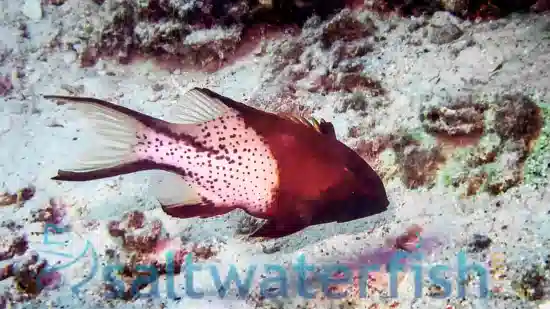
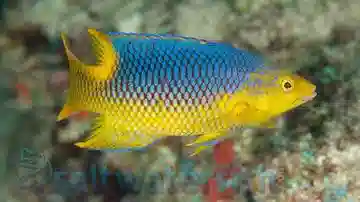
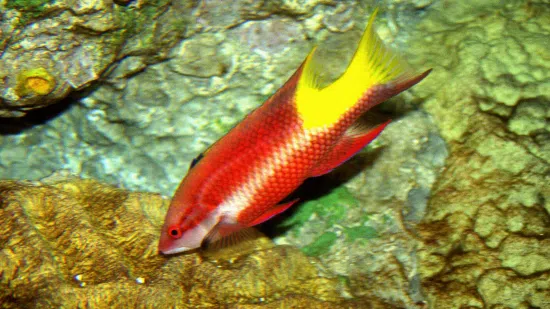
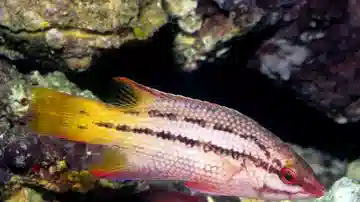
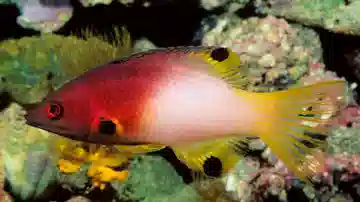
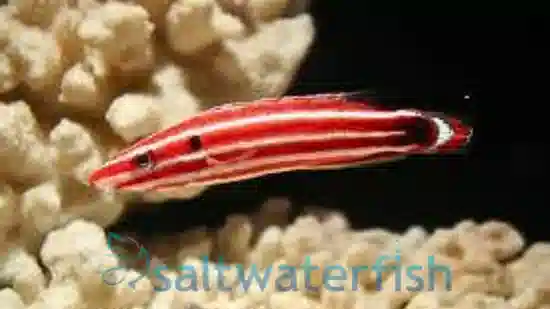





Hogfish In Saltwater Aquariums: FAQ
Hogfish are bold, intelligent members of the wrasse family (Labridae) and are considered excellent saltwater aquarium fish for the right setup. Known for their outgoing personalities, active swimming behavior, and strong feeding response, hogfish are often described as “personality fish” that quickly become the centerpiece of a tank. While they aren’t ideal for every reef, they thrive in well-planned systems and reward hobbyists with years of interaction and hardiness.
Why hogfish are popular in home aquariums:
Highly interactive behavior
Hogfish are curious, confident, and aware of their surroundings. They often recognize their owners, follow movement outside the tank, and eagerly greet feeding time, traits that make them especially engaging compared to more passive reef fish.
Hardy and adaptable
Once acclimated, hogfish are durable and tolerate a wide range of stable reef conditions. They readily accept frozen and prepared foods such as mysis shrimp, krill, and marine pellets, making long-term care straightforward.
Coral-safe, but not invert-safe
Hogfish do not nip corals, making them coral-safe. However, they may prey on ornamental shrimp, crabs, and small snails. For this reason, they are best suited for:
Fish-only systems
FOWLR tanks
Reefs without decorative crustaceans
Tank size matters
Most hogfish species require 75–125+ gallons, with ample swimming room, sturdy rockwork, and a secure lid (they are known jumpers).
One Saltwaterfish.com reviewer of the Eclipse Hogfish shared: “A gorgeous healthy Eclipse Hogfish. Arrived quickly and adapted quickly. Likes to hang out with my Mimic Tang. I purchased three different species and everyone is doing well\!”
Pro tips for hogfish success:
Add hogfish last to reduce territorial behavior
Feed a varied, high-protein diet
Avoid housing with prized shrimp or small crabs
Choose confident, similarly sized tankmates
Keep lighting and flow consistent to reduce stress
Bottom line:
Hogfish are excellent saltwater aquarium fish for hobbyists with adequately sized tanks and the right expectations. They offer intelligence, personality, and durability, just not shrimp compatibility. For healthy, responsibly sourced hogfish backed by Saltwaterfish.com’s 8-Day Live Guarantee.
Yes, hogfish can be kept successfully with many other reef fish, as long as tank size, tankmate selection, and introduction order are handled correctly. Hogfish are bold, intelligent members of the wrasse family and are generally community-compatible with medium to large reef fish, but their confident nature means they are not ideal for every tank setup.
Why hogfish usually do well with other reef fish:
Confident but not overly aggressive
Hogfish are assertive and curious, but they are not constant bullies. In properly sized tanks, they coexist peacefully with other fish that can hold their own.
Active swimmers that occupy mid-water and rock zones
They don’t hover defensively in one spot like hawkfish, which reduces constant territorial disputes.
Compatible environmental needs
Hogfish thrive in standard reef parameters that most reef fish require, making them easy to integrate from a husbandry standpoint.
Good tankmates for hogfish include:
Tangs and surgeonfish
Angelfish (dwarf and medium species)
Wrasses (fairy, flasher, larger Halichoeres)
Clownfish
Rabbitfish / Foxface
Larger blennies and cardinals
Tankmates to avoid or use caution with:
Very small or timid fish (firefish, tiny gobies)
Extremely aggressive species (large triggers, some damsels)
Decorative shrimp, crabs, and small snails (hogfish may eat them)
Hogfish are coral-safe but not invert-safe, which is the most important distinction for reef keepers.
One Saltwaterfish.com reviewer of the Twospot Candy Hogfish shared: “Very lovely. I thought Twospot Candy Hogfish \- South Asia and the damsels were fighting, but it looks like they will seek him out and he will seek them. They seem to play in a way the damsels never did with each other. He stays closer to the bottom and doesn't come up to compete for food. I didn't think he was eating but then I realized my cheto was all but gone. Hungry as a herbivore.”
Pro tips for keeping hogfish with other fish:
House hogfish in 75–125+ gallon tanks, depending on species
Add hogfish last to minimize territorial behavior
Choose tankmates of similar size and confidence
Feed a varied, protein-rich diet to reduce aggression
Use a tight-fitting lid, hogfish are jumpers
Bottom line:
Hogfish can coexist very well with other reef fish when kept in adequately sized tanks with confident, similarly sized tankmates. They are bold, interactive community fish, just not compatible with ornamental invertebrates. For healthy, responsibly sourced hogfish backed by Saltwaterfish.com’s 8-Day Live Guarantee.
Hogfish are considered reef safe with caution. They are 100% coral-safe, meaning they will not nip, sting, or damage soft corals, LPS, SPS, zoanthids, or anemones. However, hogfish are not invertebrate\-safe, and this distinction is critical for reef keepers deciding whether a hogfish is right for their aquarium.
Hogfish belong to the wrasse family (Labridae) and are natural hunters. In the wild, they actively forage for crustaceans and small invertebrates hidden in rockwork and sand. That instinct does not disappear in captivity.
Invertebrates hogfish are likely to eat:
Cleaner shrimp
Peppermint shrimp
Sexy shrimp
Small crabs
Hermit crabs
Small snails
Even well-fed hogfish may still hunt ornamental inverts because it’s instinctual, not hunger-driven.
What hogfish are safe with:
All corals (soft, LPS, SPS)
Anemones
Most reef-safe fish (tangs, angelfish, wrasses, clownfish, rabbitfish)
Larger, robust fish-only cleanup crews
Because of this, hogfish are best suited for:
Fish-only systems (FO or FOWLR)
Reef tanks without decorative crustaceans
Large mixed reefs where inverts are not a priority
One Saltwaterfish.com reviewer of the Lyretail Hogfish shared: “Very good Lyretail Hogfish for your tank. I have lost this species and don't know why. Purchased a new one which just arrived.”
Pro tips for keeping hogfish successfully in reefs:
Assume all shrimp and small crabs are at risk
Add hogfish last to reduce territorial behavior
Feed a varied, protein-rich diet (mysis, krill, chopped seafood)
Choose confident, similarly sized fish tankmates
Use a tight-fitting lid, hogfish are strong jumpers
Bottom line:
Hogfish are coral-safe but not invertebrate-safe. If your reef relies on shrimp or decorative crabs, a hogfish is not the right choice. If your priority is a bold, intelligent, interactive fish in a coral-dominated or fish-focused system, hogfish can be an outstanding addition. For healthy, responsibly sourced hogfish backed by Saltwaterfish.com’s 8-Day Live Guarantee, explore the Hogfish Collection and choose a showpiece fish with confidence.
Hogfish are active carnivores with hearty appetites, and in captivity they thrive on a protein-rich, varied diet that mimics their natural foraging behavior. In the wild, hogfish hunt small crustaceans, worms, and benthic invertebrates hidden in reef rock and sand. The good news for home aquarists is that hogfish adapt extremely well to prepared foods and are rarely picky once acclimated, making feeding straightforward in a well-managed saltwater aquarium.
Best foods for hogfish in captivity:
Frozen foods (primary diet):
Frozen mysis shrimp (staple food)
Frozen krill (especially for larger hogfish species)
Chopped shrimp, clam, or scallop
Marine frozen blends designed for carnivores
These foods provide the protein and fats hogfish need to maintain energy, coloration, and immune health.
Prepared foods:
High-quality marine pellets
Carnivore-specific sinking pellets
Soft gel foods
Most hogfish readily accept pellets after a short acclimation period, which makes long-term feeding convenient and consistent.
Occasional live foods (enrichment):
Live ghost shrimp
Live brine shrimp (enriched)
Copepods or amphipods
Live foods are not required but can be useful for new arrivals or as behavioral enrichment.
*What hogfish should not rely on:
Algae-based foods (they are not herbivores)
Flake-only diets
Feeding invertebrates from the tank (shrimp/crabs will be hunted naturally)
One Saltwaterfish.com reviewer of the Diana’s Hogfish shared: “Beautiful Diana's Hogfish swims in out of the rock formation in the saltwater fish tank. Healthy and energetic after acclimation.”
Pro feeding tips for hogfish:
Feed 1–2 times daily in appropriate portions
Rotate foods to prevent nutritional gaps
Target-feed if housed with fast eaters
Keep hogfish well-fed to reduce aggressive foraging
- Thaw and rinse frozen foods to limit excess nutrients
Bottom line:
In captivity, hogfish do best on a high-protein diet of frozen mysis, krill, chopped seafood, and quality marine pellets, with occasional live food for enrichment. Their strong feeding response and adaptability make them easy to maintain once established. For healthy, conditioned hogfish backed by Saltwaterfish.com’s 8-Day Live Guarantee, explore the Hogfish Collection and add a bold, engaging predator to your aquarium with confidence.
Hogfish are striking, personality-driven members of the wrasse family, but they are larger and more active than many reef keepers initially expect. Understanding their adult size and tank requirements is essential to long-term success. When housed properly, hogfish are hardy, interactive, and long-lived showpiece fish.
Adult size of hogfish in captivity:
Most commonly kept hogfish species reach 6–10 inches as adults, depending on the species and care provided.
Smaller species may stay closer to 6–7 inches
Larger species can exceed 9–10 inches in mature systems
They grow steadily over several years, not overnight, but they do reach full size in captivity when well-fed and unstressed.
Minimum tank size requirements:
Because hogfish are active swimmers with bold personalities, tank size matters more for behavior and stability than raw swimming length.
Minimum tank size: 75 gallons (for smaller species)
Recommended tank size: 90–125+ gallons
Larger species and long-term housing benefit greatly from 125 gallons or more
Adequate tank size helps reduce aggression, supports natural movement, and prevents stress-related behaviors.
Why hogfish need larger tanks:
They are constantly active and exploratory
They establish territories around rockwork
Larger tanks dilute aggression toward tankmates
Bigger systems provide greater water stability
Hogfish are strong eaters and benefit from higher water volume
One Saltwaterfish.com reviewer of the Spanish Hogfish shared: “Good price, fast shipment of my Spanish Hogfish.”
Tank setup considerations:
Plenty of open swimming space
Sturdy rockwork for exploration
A tight-fitting lid (hogfish are jumpers)
Confident, similarly sized tankmates
- Coral\-safe layout (they won’t damage corals)
Bottom line:
Hogfish typically grow 6–10 inches and require at least 75 gallons, with 90–125+ gallons strongly recommended for long-term health and behavior. When given adequate space, hogfish become bold, interactive centerpieces that thrive for years. For healthy, responsibly sourced hogfish backed by Saltwaterfish.com’s 8-Day Live Guarantee, explore the Hogfish Collection and choose a species that fits your system with confidence.
Hogfish stand out in the saltwater hobby because they combine intelligence, personality, and active behavior in a way few reef fish do. As members of the wrasse family (Labridae), hogfish share some traits with wrasses, but their bold confidence, distinctive feeding style, and constant interaction with their environment make them truly unique. Many hobbyists describe hogfish as fish that feel more like pets than decorations.
Key traits that make hogfish unique:
Highly interactive “personality fish”
Hogfish are alert, curious, and aware of what’s happening outside the tank.
They often recognize their owners
Follow movement during feeding and maintenance
Actively investigate new additions
This level of interaction is rare among reef fish.
Distinctive feeding behavior
Hogfish use their elongated snouts to flip rubble, probe rockwork, and hunt prey. In captivity, this translates to an enthusiastic feeding response and visible problem-solving behavior during meals.
Bold but controlled temperament
Unlike timid reef fish that hide, hogfish are confident swimmers.
Rarely shy
Establish presence without constant aggression
Best described as assertive rather than hostile
Coral-safe with a caveat
Hogfish are 100% coral\-safe, which sets them apart from many similarly sized predatory fish. However, they are not invert-safe, making them ideal for coral-focused or fish-only systems without decorative shrimp.
Hardy and adaptable
Once acclimated, hogfish are resilient and long-lived. They readily accept frozen and prepared foods, tolerate stable reef conditions well, and adapt quickly to community tanks.
One Saltwaterfish.com reviewer of the Twospot Candy Hogfish shared: “Very nice.”
Why experienced reef keepers love hogfish:
Long lifespan (often 8–10+ years)
Large enough to be a centerpiece without becoming a bully
Constant movement and engagement
Strong feeding response and easy diet
Unique behavior not seen in tangs, clowns, or gobies
Pro tips to highlight hogfish behavior:
Provide open swimming space and sturdy rockwork
Add hogfish last to reduce territorial dominance
Keep tankmates confident and similarly sized
Use a tight-fitting lid, hogfish are jumpers
Feed a varied, protein-rich diet
Bottom line:
Hogfish are unique because they combine intelligence, bold personality, active hunting behavior, and coral safety in one striking fish. They don’t just occupy space in a reef tank, they interact with it. For hobbyists looking for a true showpiece fish with character, hogfish are hard to beat. Explore the Hogfish Collection at Saltwaterfish.com, backed by the 8-Day Live Guarantee.
Hogfish are not hard to keep for hobbyists who understand their basic needs, but they are best described as intermediate-level saltwater fish rather than true beginners’ fish. Their care difficulty doesn’t come from fragility or poor survival rates. In fact, hogfish are hardy and long-lived but from their size, activity level, and compatibility considerations. When housed correctly, hogfish are among the most rewarding and resilient fish in the marine hobby.
Why hogfish are considered moderately easy to keep:
Hardy and adaptable
Once acclimated, hogfish are very durable. They tolerate stable reef conditions well and adapt quickly to captive life. They readily accept frozen and prepared foods, which removes one of the biggest challenges many reef fish present.
Strong feeding response
Hogfish are enthusiastic eaters and rarely go on prolonged hunger strikes. A diet of mysis shrimp, krill, chopped seafood, and quality marine pellets keeps them healthy and vibrant.
Resistant to common diseases
Compared to more delicate species, hogfish tend to handle stress and minor parameter fluctuations better, assuming overall stability is maintained.
Why hogfish can be challenging for some aquarists:
Tank size requirements
Most hogfish need 75–125+ gallons, which places them beyond the reach of nano or small reef systems.
Not invert-safe
While completely coral-safe, hogfish often eat shrimp, crabs, and small snails. This limits their suitability for shrimp-heavy reefs.
Bold personality
Their confidence can intimidate very timid fish in smaller tanks, especially if introduced too early.
Pro tips for easy hogfish success:
Add hogfish last to reduce territorial behavior
House in 90+ gallons whenever possible
Feed a varied, high-protein diet
Choose confident, similarly sized tankmates
- Use a tight-fitting lid, hogfish are jumpers
Bottom line:
Hogfish are not hard to keep, but they do require proper planning, adequate tank size, and realistic expectations about invertebrate compatibility. For hobbyists with the right setup, they are hardy, interactive, and incredibly rewarding fish. For healthy, responsibly sourced hogfish backed by Saltwaterfish.com’s 8-Day Live Guarantee, explore the Hogfish Collection and add a bold, long-lived showpiece to your aquarium with confidence.
Hogfish are known not only for their bold personalities and intelligence, but also for their impressive longevity in captivity. When properly cared for, most hogfish live 8–12 years in a home aquarium, with some individuals reported to live even longer in large, stable systems. Their long lifespan makes them a true long-term commitment (and a rewarding one) for saltwater hobbyists who plan their tank carefully.
What influences a hogfish’s lifespan in captivity:
Tank size and stability
Hogfish are active swimmers that grow relatively large, so adequate space is critical.
Minimum: 75 gallons
Ideal: 90–125+ gallons
Larger tanks provide better water stability, reduce stress, and support long-term health, key factors in extending lifespan.
Diet and nutrition
A varied, protein-rich diet significantly impacts longevity. Hogfish thrive on:
Frozen mysis shrimp
Krill
Chopped shrimp, clam, or scallop
High-quality marine pellets
Well-fed hogfish maintain stronger immune systems and vibrant coloration as they age.
Water quality consistency
Hogfish are hardy, but longevity depends on stable parameters:
Temperature: 75–78°F
Salinity: 1.024–1.026
pH: 8.1–8.4
Low ammonia and nitrite at all times
Consistency matters far more than chasing “perfect” numbers.
Tankmate selection
Peaceful, confident tankmates reduce chronic stress. Hogfish do best with similarly sized reef fish and should be added last to the system.
Pro tips to maximize hogfish lifespan:
Use a tight-fitting lid, hogfish are jumpers
Feed 1–2 times daily with a varied diet
Avoid housing with aggressive predators
Perform regular water changes
- Provide open swimming space and sturdy rockwork
Bottom line:
With proper care, hogfish commonly live 8–12 years in aquariums, making them one of the longer-lived reef fish available to hobbyists. Their intelligence, interaction, and durability make them a standout long-term companion. For healthy, responsibly sourced hogfish backed by Saltwaterfish.com’s 8-Day Live Guarantee, explore the Hogfish Collection and invest in a fish you’ll enjoy for many years to come.
Hogfish are bold, intelligent, and highly interactive reef fish, and choosing the right tank mates is key to keeping them happy and stress-free long term. While hogfish are coral\-safe, they are confident carnivores with strong personalities, so they do best with medium-to-large, assertive reef fish that won’t be intimidated or harassed. When paired correctly, hogfish integrate beautifully into community reef and FOWLR systems.
Ideal tank mates for hogfish:
Tangs & Surgeonfish
Tangs are fast, confident swimmers that easily coexist with hogfish. Their constant movement and size prevent territorial issues.
Angelfish (dwarf & medium species)
Species like Coral Beauty, Flame Angels, and other robust angels are excellent companions and share similar activity levels.
Wrasses (larger, confident species)
Fairy wrasses, flasher wrasses, and Halichoeres wrasses make great tank mates. Avoid very small or timid wrasses.
Clownfish
Clownfish are hardy and assertive enough to hold their own, especially in pairs.
Rabbitfish & Foxface
Peaceful but sturdy, these fish thrive in the same larger reef environments as hogfish.
Blennies & Cardinalfish (larger species)
Mid-sized blennies and cardinalfish typically coexist without issues.
Tank mates to avoid:
Small gobies (Trimma, Eviota, clown gobies)
Firefish and other timid species
Decorative shrimp, crabs, and small snails (hogfish may eat them)
Extremely aggressive fish like large triggers
Pro compatibility tips:
Keep hogfish in 75–125+ gallon tanks
Add hogfish last to minimize territorial dominance
Choose tank mates of similar size and confidence
Feed a varied, protein-rich diet to reduce aggression
- Use a secure lid, hogfish are jumpers
Bottom line:
The best tank mates for hogfish are confident, medium-to-large reef fish like tangs, angelfish, wrasses, clownfish, and rabbitfish. Avoid small or timid fish and ornamental invertebrates. With proper planning, hogfish become engaging, long-term showpieces in well-balanced reef communities. For healthy, responsibly sourced hogfish backed by Saltwaterfish.com’s 8-Day Live Guarantee, explore the Hogfish Collection and build a thriving saltwater tank with confidence.
Hogfish are widely considered one of the true “personality fish” in the saltwater aquarium hobby. Unlike passive or schooling species, hogfish are aware, interactive, and behaviorally complex, often engaging with their environment (and their owners) in ways that feel almost pet-like. Their intelligence, confidence, and curiosity are what set them apart from many other reef fish.
Key hogfish behavior traits you can expect:
Highly interactive and observant
Hogfish actively watch what’s happening outside the tank. Many hobbyists report that their hogfish:
Follow them along the glass
Rush to the front during feeding time
Investigate hands, tools, and new additions
This awareness is uncommon among reef fish and is a major reason hogfish become favorites.
Bold, confident swimmers
Hogfish are not shy. They move with purpose, patrol rockwork, and explore open water without constantly hiding. This confidence makes them excellent centerpiece fish in larger systems.
Active foraging behavior
In the wild, hogfish flip rubble and probe crevices for prey. In captivity, this translates into:
Strong feeding response
Curious exploration of rockwork
Intelligent “problem-solving” behavior during feeding
Assertive but not overly aggressive
Hogfish are best described as assertive, not mean.
They may establish territory
Rarely harass similarly sized fish
Can intimidate very timid species in smaller tanks
Adding them last helps keep behavior balanced.
Coral-safe instincts
Despite being predators, hogfish do not nip corals or anemones. Their hunting instincts are directed at mobile invertebrates, not sessile reef life.
Pro tips to bring out natural hogfish behavior:
Provide open swimming space and sturdy rockwork
House in 75–125+ gallon tanks
Choose confident tank mates of similar size
Feed a varied, protein-rich diet
Use a tight-fitting lid, hogfish are jumpers
Bottom line:
Hogfish stand out for their intelligence, confidence, curiosity, and interaction. They don’t just occupy space in a reef tank, they engage with it. For hobbyists looking for a fish with real character and long-term presence, hogfish are hard to beat. For healthy, responsibly sourced hogfish backed by Saltwaterfish.com’s 8-Day Live Guarantee.