


Mushroom Coral In Saltwater Aquariums: FAQ
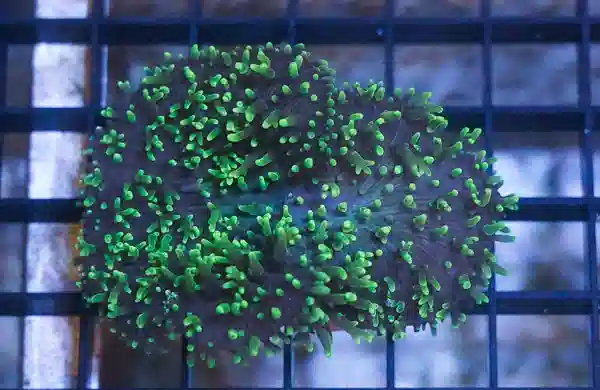
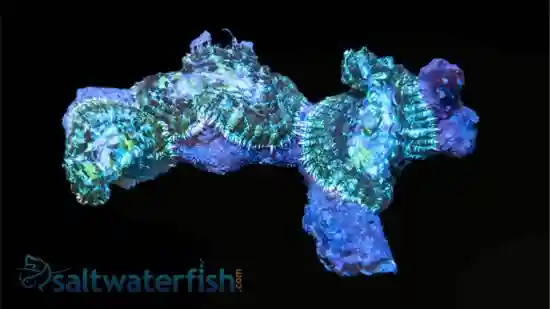
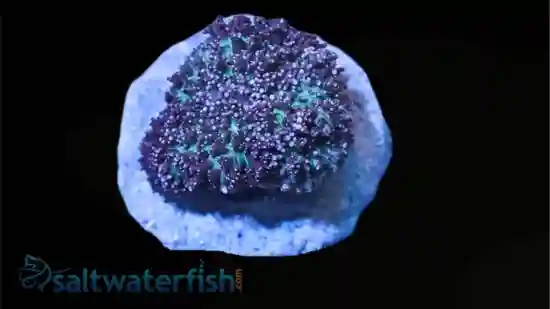
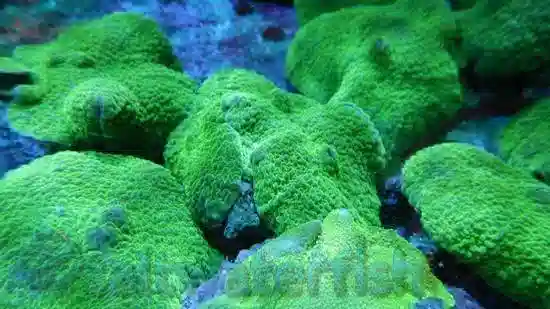
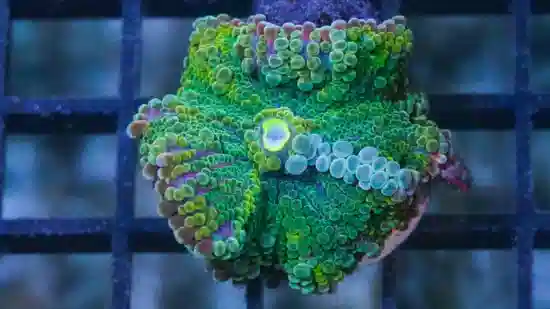
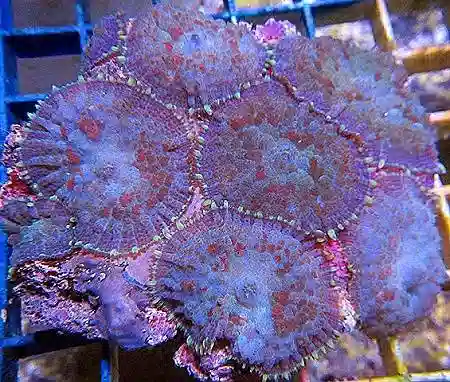
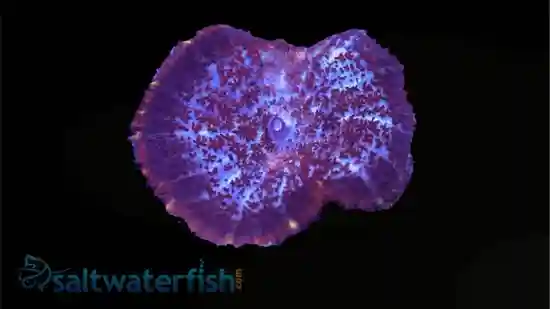
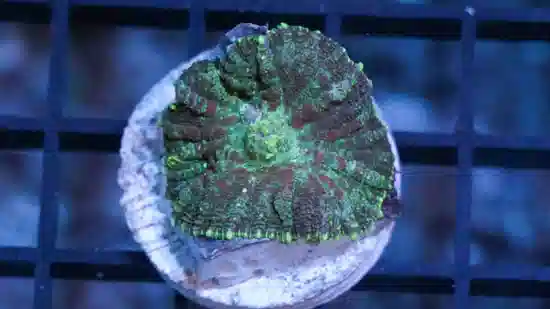
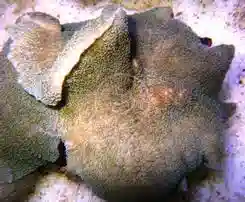
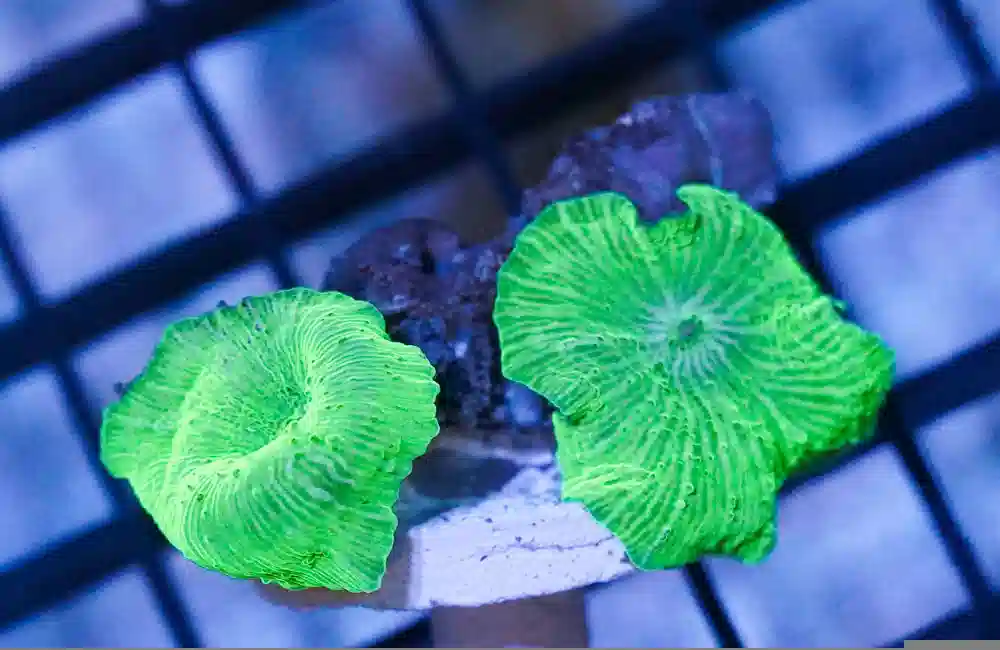
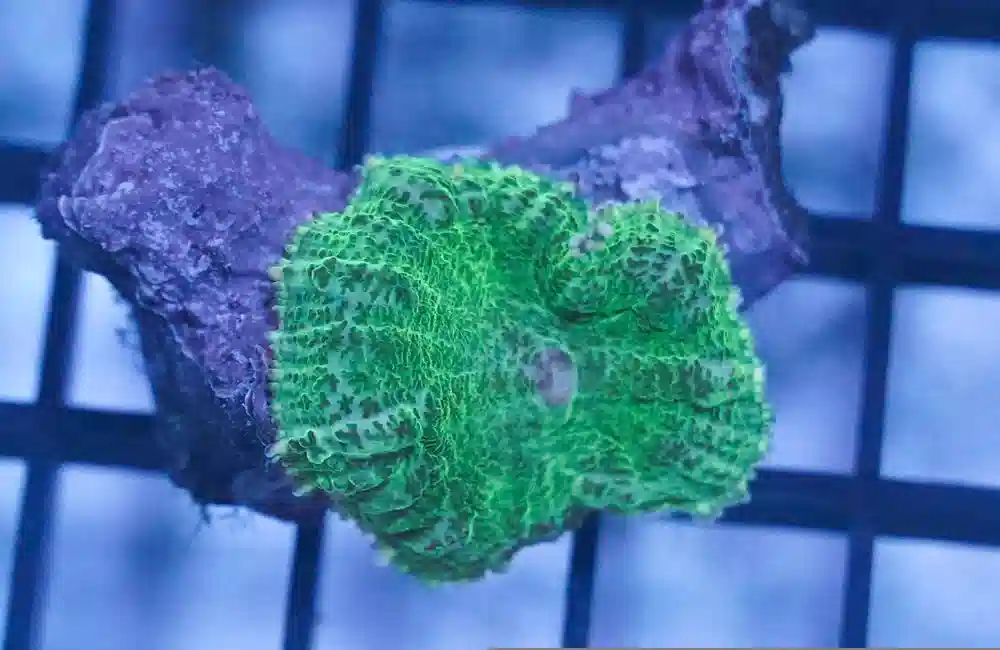
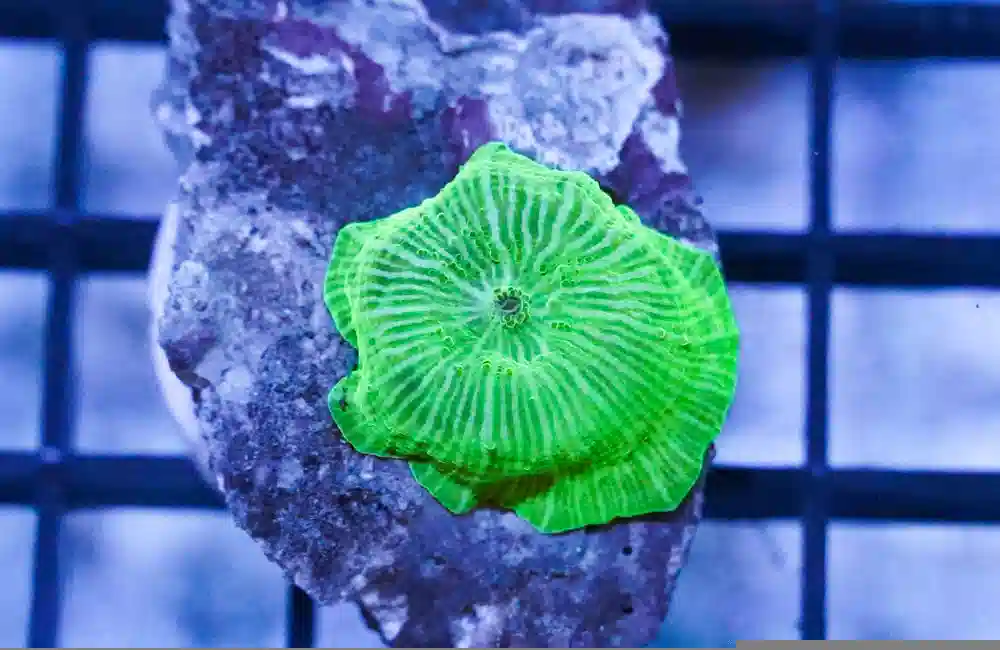
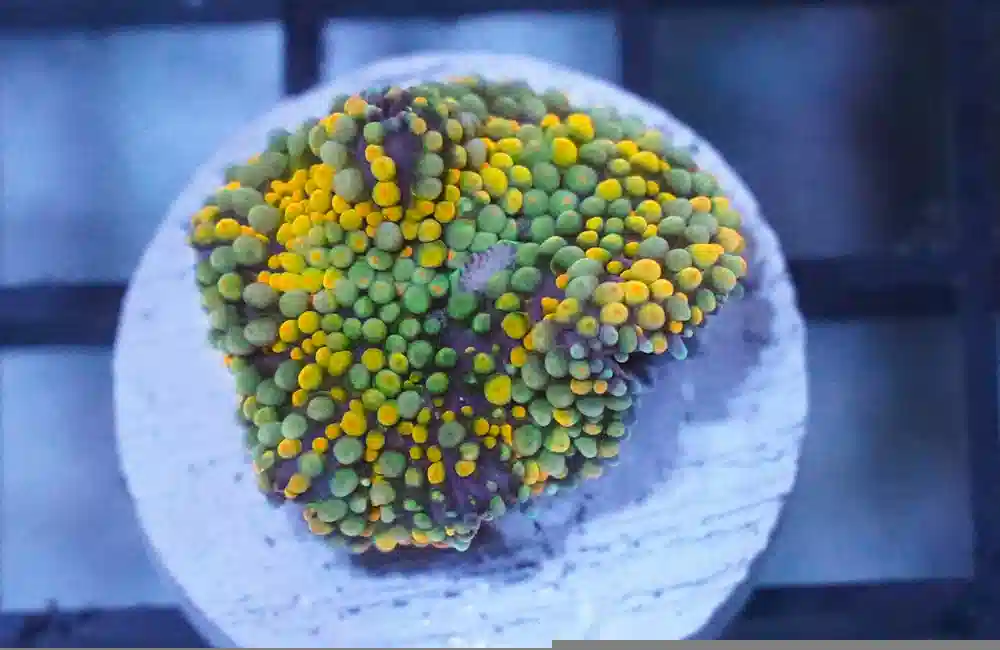
Saltwater mushrooms, also known as mushroom corals or corallimorphs, are hardy, beginner-friendly soft corals that thrive in a wide range of reef aquarium conditions. These corals belong to the order Corallimorpharia and resemble smooth, fleshy discs that attach firmly to rock surfaces. Mushrooms are prized for their low maintenance needs, vibrant colors, and ability to adapt to tanks where many other corals may struggle.
Why mushroom corals are popular in reef tanks:
Extremely hardy and adaptable: They tolerate lower lighting, higher nutrients, and moderate flow, making them ideal for new or maturing reefs.
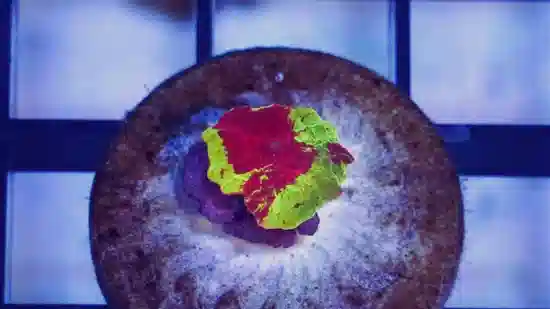
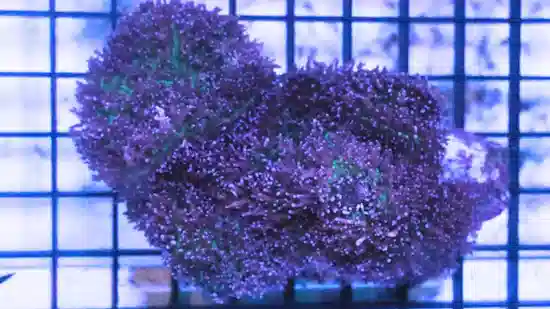
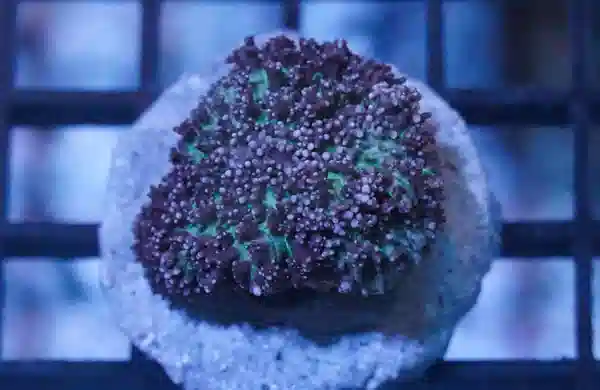
Wide color variety: Available in greens, reds, purples, blues, and metallic shades, with popular types including Discosoma, Rhodactis, and Ricordea.
Fast growers: Mushrooms reproduce easily by budding or splitting, naturally forming colorful carpets or colonies across live rock.
Low-light tolerance: They thrive even in shaded or low-PAR zones where LPS and SPS corals may not.
Ideal conditions for mushroom corals:
Mushrooms prefer stable reef parameters with salinity at 1.024–1.026, temperature 75–78°F, and pH between 8.1–8.4. They do best in low to moderate flow; strong currents may cause them to retract or detach. Because mushrooms can absorb dissolved nutrients directly, they often flourish in “dirtier” reef systems with slightly elevated nutrients.
One Saltwaterfish.com reviewer of the Ricordea Green and Pink Mushroom shared: “These are really cool. They add a nice color and texture to my tank. I like the way they flow in the water column giving a bit of movement in the tank. My fish haven't eaten any. I would like to have a big group of them they are so wonderful.”
Pro care tips:
Place mushrooms in low to moderate light for best color and expansion.
Allow space between mushrooms and other corals. They can spread quickly.
Feed occasionally with fine coral foods or phytoplankton to boost growth.
Avoid placing them in high-flow areas; gentle, indirect flow is ideal.
Bottom line:
Saltwater mushroom corals are colorful, hardy, and incredibly easy to keep, making them excellent choices for both beginners and experienced reef keepers. Their adaptability, rapid growth, and vibrant appearance make them standout additions to any reef tank. For healthy, aquacultured mushroom corals, explore Saltwaterfish.com’s mushroom coral collection, all backed by our 8-Day Live Guarantee for thriving, reef-ready arrivals.
Mushroom corals (Corallimorpharia) are among the easiest and most forgiving corals to care for in a saltwater aquarium. Their ability to adapt to a wide range of lighting, flow, and nutrient levels makes them ideal for both beginners and experienced reef keepers. These soft, fleshy corals spread naturally across live rock and add vibrant color, texture, and movement to any reef tank.
Core care requirements for mushroom corals:
Lighting: Mushrooms thrive in low to moderate lighting. High-intensity light can cause them to shrink or bleach, while lower light encourages full expansion and richer coloration.
Water flow: Gentle to moderate flow is best. Strong direct flow may cause mushrooms to detach or stay closed.
Water parameters: Maintain stable reef conditions. Salinity 1.024–1.026, temperature 75–78°F, pH 8.1–8.4. Mushrooms tolerate higher nutrients better than SPS or LPS corals.
Placement: Start mushrooms in shadier areas or lower regions of the tank and move them gradually upward if needed. They prefer flat rock surfaces where they can spread naturally.
Feeding:
While mushroom corals obtain most of their energy through photosynthesis, they benefit from occasional feeding. Offer fine particulate coral foods, marine snow, or phytoplankton once or twice weekly to encourage faster growth and vibrant color. Studies show that supplemental feeding enhances tissue expansion and reproduction in soft corals by increasing available energy (Schlichter et al., 1995).
One Saltwaterfish.com reviewer of the Colored Tongan Bullseye Mushroom Coral shared: “Ended up getting two that were half dollar sized, one of them split… So now I have three that are larger than a quarter\!”
Pro care tips:
Allow ample space. Mushrooms can spread quickly over surrounding rock.
Avoid placing them near aggressive corals; mushrooms may overgrow slower species.
Keep rock structures secure, as spreading mushrooms can loosen smaller pieces.
If a mushroom detaches, place it in a low-flow cup with rubble until it reattaches.
Bottom line:
Mushroom corals are one of the easiest and most rewarding corals to keep, thriving in low light, gentle flow, and stable reef conditions. Their hardiness and natural beauty make them perfect for reef tanks of all sizes. For healthy, vibrant mushroom corals, explore Saltwaterfish.com’s mushroom collection, each backed by our 8-Day Live Guarantee for confident, reef-ready success.
Mushroom corals (Corallimorpharia) are well-known for their ability to grow and spread quickly in stable saltwater aquariums. Their hardy nature, low-light tolerance, and efficient energy use allow them to multiply faster than many other soft corals, making them excellent starter corals for new reef keepers and a favorite among hobbyists seeking vibrant, low-maintenance growth.
Typical growth rate of mushroom corals:
Most mushroom corals will double or triple in number within 6–12 months under stable conditions. Individual mushrooms can expand significantly in size within weeks, and colonies often spread across nearby rock as they bud or split. Varieties such as Discosoma tend to grow fastest, while Ricordea species grow more slowly but develop thicker, more colorful tissue.
Factors that influence mushroom coral growth:
Lighting: Low to moderate lighting encourages faster expansion. Excessively strong lighting may slow growth or cause shrinking.
Flow: Gentle, indirect flow helps mushrooms remain open and healthy, promoting tissue growth.
Nutrient levels: Mushrooms thrive in tanks with slightly elevated nutrients. Nitrate (5–10 ppm) and phosphate (0.03–0.1 ppm).
Feeding: Occasional target feeding with phytoplankton or fine coral foods can increase growth and speed up colony spread.
Stability: Consistent salinity (1.024–1.026), temperature (75–78°F), and pH (8.1–8.4) contribute to steady reproduction.
Research on soft coral energetics demonstrates that species relying on both photosynthesis and particulate feeding exhibit significantly faster asexual reproduction in nutrient-stable environments (Schlichter et al., 1991), aligning with common results seen in home reef tanks.
One Saltwaterfish.com reviewer of the Green/Blue Ricordea Mushroom shared: “Good quality and decent size for the price.”
Pro growth tips:
Place mushrooms on isolated rocks to control spread.
Feed lightly once or twice a week for faster budding.
Avoid high flow or intense lighting that may restrict expansion.
- Maintain stable nutrients: mushrooms often grow faster in tanks that aren’t ultra-clean.
Bottom line:
In healthy saltwater tanks, mushroom corals grow rapidly, often spreading into full colonies within months. Their hardiness and fast reproduction make them ideal for beginners and experienced reef keepers alike. For a wide selection of colorful, aquacultured mushroom corals, explore Saltwaterfish.com’s mushroom coral collection, backed by our 8-Day Live Guarantee for thriving, reef-ready arrivals.
Mushroom corals (Corallimorpharia) are among the most adaptable corals in the reef aquarium hobby, especially when it comes to lighting. Unlike many LPS and SPS corals that demand high PAR, mushrooms typically prefer low to moderate lighting, making them ideal for beginners, nano tanks, and lower-light areas of mature reef systems. Their ability to adjust to different intensities allows them to thrive in a wide range of setups but proper placement relative to your lighting is still key to achieving strong color and healthy growth.
Recommended lighting intensity:
PAR 50–150 is ideal for most mushroom species.
Discosoma and Rhodactis thrive at the lower end of this range (50–100 PAR).
Ricordea florida prefers slightly brighter light (100–150 PAR), while Ricordea yuma may tolerate even lower light.
Too much light can cause mushrooms to:
Shrink or stay closed
Bleach or lose color
Detach from rockwork to move to shadier areas
Best lighting types for mushroom corals:
LED reef lights (AI Prime, Radion, Kessil, Noo-Psyche) work exceptionally well due to adjustable intensity settings.
T5 lighting provides even spread and is excellent for large mushroom colonies.
Hybrid LED/T5 systems offer balanced spectrum and coverage for mixed reefs.
Scientific studies show that mushroom corals adapt to varying light conditions primarily through changes in tissue expansion and energy acquisition rather than strict reliance on high light intensity. Schlichter et al. (1995) demonstrated that corallimorpharians like Discosoma maintain efficient energy balance by increasing tissue expansion under lower light, enhancing both photosynthetic capture and heterotrophic input. This physiological flexibility explains why mushroom corals often appear fuller, more inflated, and richly colored in shaded or lower-light areas of reef aquariums.
One Saltwaterfish.com reviewer of the Aussie Atomic Red Mushroom Coral shared: “cute, little, lively Mushroom Coral that brings a lot of character to your tank. Seems to play well with others and makes a welcome addition while being an easy keeper.”
Pro lighting tips:
Start mushrooms in lower-light areas and gradually acclimate if raising intensity.
Observe behavior: stretching upward indicates they need more light, while shrinking means they need less.
Keep mushrooms away from high-intensity SPS zones unless shaded by rockwork.
- Maintain lighting stability. Frequent changes stress mushroom tissue.
Bottom line:
Saltwater mushroom corals thrive under low to moderate lighting and often look their best in shaded or gently lit areas of the tank. PAR levels of 50–150 are ideal, with LEDs offering excellent control and color enhancement. With the right placement and stable lighting, mushrooms will grow rapidly and display vibrant, healthy coloration. Explore Saltwaterfish.com’s mushroom coral selection, all backed by our 8-Day Live Guarantee for thriving, reef-ready arrivals.
Attaching mushroom corals to live rock can be slightly tricky because mushrooms are soft, fleshy corals that don’t glue as easily as LPS or SPS. However, with the right method and patience, they will quickly secure themselves and begin to spread naturally. In most cases, mushrooms will attach on their own within a few days once placed in a stable, low-flow area.
Best methods to attach mushroom corals:
Low-flow placement method (easiest):
Place the mushroom on a small rock or piece of rubble and position it in a low-flow area of the tank. Within 3–7 days, the mushroom will naturally attach with its foot.
Cup-and-rubble method:
Place the mushroom and a few small rubble pieces into a specimen cup or container with holes. Set the container in your aquarium. This keeps the mushroom from blowing away until it attaches.
Rubber band or mesh technique:
Gently cover the mushroom with a loose piece of bridal mesh or a lightly placed rubber band over rubble rock. Avoid tight pressure. You don’t want to damage the tissue. Remove the mesh once the mushroom attaches.
Toothpick/needle method (for experienced keepers only):
Very rarely used, and only for stubborn mushrooms. A toothpick is gently inserted through the mushroom’s base and used to secure it to rock but this carries risk of tissue damage, so most aquarists avoid it.
Pro attachment tips:
Always place mushrooms in low flow until attached.
Avoid gluing directly: super glue rarely sticks to mushroom tissue.
Place rubble in shaded or moderate-light areas to avoid stress.
Once attached, you can glue the rubble piece anywhere you want the mushroom to grow.
Bottom line:
Attaching mushroom corals is simple with the right approach: use low flow, rubble pieces, and patience. Mushrooms naturally secure themselves within days and will quickly begin spreading across your live rock. For healthy, vibrant mushroom corals ready to thrive, explore Saltwaterfish.com’s mushroom coral collection, each backed by our 8-Day Live Guarantee for confident reefkeeping.
Mushroom corals are some of the easiest and most adaptable corals to keep in a reef aquarium, and part of their appeal is that they don’t require special feeding to survive. These hardy soft corals rely heavily on their symbiotic zooxanthellae for nutrition, meaning they gain most of their energy from light through photosynthesis. However, while mushrooms can thrive without targeted feeding, supplemental feedings can significantly boost their growth, coloration, and overall health.
How mushroom corals get their food:
Photosynthesis: Their zooxanthellae provide the majority of their daily energy when lighting is stable and appropriate.
Absorption: Mushrooms absorb dissolved nutrients from the water, which is why they often thrive in tanks with slightly elevated nitrate and phosphate.
Filter-feeding: Many mushrooms can capture small organic particles from the water column.
Best foods for faster growth and richer colors:
Fine particulate coral foods
Phytoplankton
Marine snow
Reef roids (small amounts, as mushrooms prefer tiny particles)
Blended meaty foods for larger Rhodactis species
Pro feeding tips:
Target-feed gently with a pipette or turkey baster.
Turn off pumps for 10–15 minutes so food settles on the mushrooms.
Avoid overfeeding: excess nutrients can trigger algae growth.
Observe responses: mushrooms that expand fully after feeding are thriving.
Bottom line:
Mushroom corals don’t require special feeding, but occasional supplemental feedings significantly improve growth, color, and reproduction. They remain one of the easiest, most rewarding corals for reef tanks of all sizes. For healthy, vibrant mushroom corals ready for success, explore Saltwaterfish.com’s mushroom coral collection, all backed by our 8-Day Live Guarantee for confident reefkeeping.
Mushroom corals are widely regarded as some of the easiest and most beginner-friendly corals in the entire reef hobby. Their ability to tolerate a wide range of lighting, nutrient levels, and water flow makes them perfect for new reef keepers and low-maintenance tanks. However, some mushroom varieties are especially hardy, fast-growing, and forgiving, making them ideal choices for first-time coral owners.
Easiest and hardiest mushroom corals:
Discosoma Mushrooms (Actinodiscus spp.)
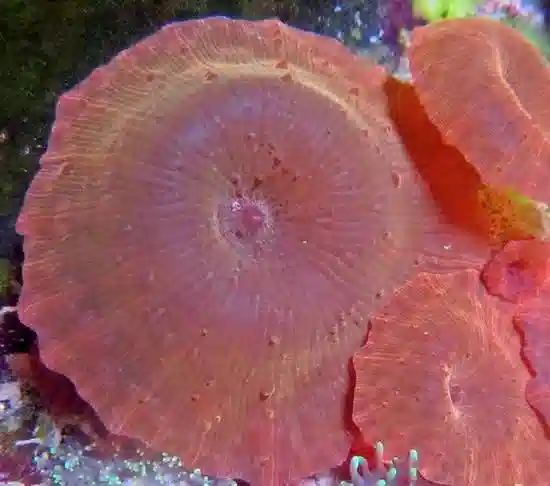
Among the most beginner-friendly corals available. They tolerate low light, higher nutrients, and even moderate fluctuations in water quality. Available in vibrant reds, greens, blues, and metallic shades.
Rhodactis Mushrooms
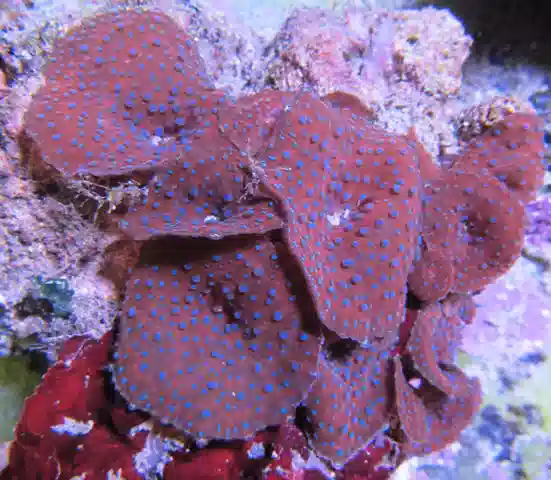
Known for their textured, bumpy appearance. Hardier and faster-growing than most soft corals. These mushrooms prefer moderate light and flow but adapt well to a wide range of conditions.
Hairy Rhodactis Mushrooms
Larger, shaggy varieties that open wide and thrive in medium-nutrient tanks. Very forgiving and excellent for filling space quickly.
Ricordea florida
Slightly more demanding than Discosoma, but still great for beginners. These mushrooms offer bright neon colors and grow steadily under moderate lighting and gentle flow.
All of these species reproduce easily by budding or splitting. Many hobbyists intentionally start mushroom “gardens” because of how reliably and attractively they spread.
Pro tips for choosing beginner mushrooms:
Start with Discosoma or Rhodactis for maximum hardiness.
Place in low to moderate light to encourage full expansion.
Allow space: these mushrooms spread quickly across rock.
Avoid placing near delicate SPS corals; mushrooms may overgrow them.
Bottom line:
The easiest mushroom corals to keep are Discosoma, Rhodactis, Hairy Rhodactis, and Ricordea florida. Their resilience, fast growth, and vibrant colors make them perfect for beginners and low-maintenance reef tanks. For hardy, aquacultured mushrooms ready to thrive, explore Saltwaterfish.com’s mushroom coral collection, each backed by our 8-Day Live Guarantee for confident, reef-ready success.
Mushroom corals are peaceful by nature, but they can harm other corals under certain conditions due to their rapid growth, spreading behavior, and ability to outcompete nearby species. While they don’t possess long stinging sweeper tentacles like some LPS corals, mushrooms use subtle but effective methods to dominate space, making proper placement essential.
Ways mushroom corals may harm other corals:
Overgrowth and shading: Mushrooms spread quickly across rock, forming dense mats that can cover or shade slower-growing corals. Soft corals, zoanthids, and encrusting varieties are especially vulnerable.
Chemical competition: Mushrooms release mild allelopathic chemicals that can inhibit growth or irritate neighboring corals, particularly SPS species that are more sensitive.
Direct contact irritation: Large Rhodactis or Hairy Mushrooms can irritate LPS corals like hammers, acans, and chalices when touching their tissue.
Taking over rockwork: Once a mushroom establishes itself, removing it can be difficult. Fragments left behind can regrow and spread further.
Pro tips to prevent coral competition:
Place mushrooms on isolated rocks to control spread.
Leave 3–4 inches of space between mushrooms and slower-growing corals.
Trim excess mushrooms or relocate them if they begin encroaching.
Avoid placing mushrooms near delicate SPS corals, which may react poorly to their presence.
Bottom line:
Yes, mushroom corals can harm other corals, not by aggression, but by rapid growth, shading, and subtle chemical competition. With thoughtful placement and occasional management, they remain beautiful, hardy additions that coexist well in mixed reefs. Explore Saltwaterfish.com’s mushroom coral collection, all backed by our 8-Day Live Guarantee, for healthy specimens ready to thrive in your reef.
Saltwater mushroom corals are incredibly adaptable, but when it comes to water movement, they consistently thrive best in low to moderate flow environments. Mushrooms are naturally found in shaded, low-energy reef zones, and scientific observations show they colonize calmer environments where water movement allows for efficient nutrient absorption without tissue abrasion. Because mushrooms are soft, fleshy corals, strong or direct flow can cause them to retract, detach from rockwork, or struggle to expand fully. Providing the right flow helps them maintain their natural dome shape, enhances coloration, and supports steady growth.
Ideal flow conditions for mushroom corals:
Low flow: Encourages full polyp expansion, allowing mushrooms to absorb light efficiently and feed on suspended nutrients.
Moderate indirect flow: Helps prevent detritus from settling while keeping the coral gently swaying. This type of flow aids in gas exchange and nutrient delivery without stressing the tissue.
Avoid high or direct flow: Strong current can cause mushrooms to shrink, fold tightly, or move away. In extreme cases, they may detach from the substrate entirely.
Pro flow tips:
Position mushrooms on rock ledges, sandbeds, or shaded lower zones away from powerheads.
If mushrooms fold or detach, reduce flow or move them to gentler areas.
Keep moderate flow around them to prevent detritus buildup and encourage healthy expansion.
- Observe behavior: wide, full extension means the flow is just right.
Bottom line:
Saltwater mushroom corals prefer low to moderate, indirect flow. Too much current can cause them to retract, detach, or slow their growth, while gentle movement supports healthy expansion and long-term success. For hardy, vibrant mushroom corals ready to thrive in your reef, explore Saltwaterfish.com’s mushroom coral collection, each backed by our 8-Day Live Guarantee for confident reefkeeping.
Ricordea and Discosoma mushrooms are two of the most popular soft corals in saltwater aquariums, prized for their hardiness, color, and ease of care. While both belong to the order Corallimorpharia, they differ in appearance, lighting needs, growth patterns, and overall behavior in a reef tank. Understanding these differences helps aquarists choose the right mushroom type for their system and place them correctly for long-term success.
Appearance differences:
Ricordea Mushrooms (Ricordea florida & Ricordea yuma)
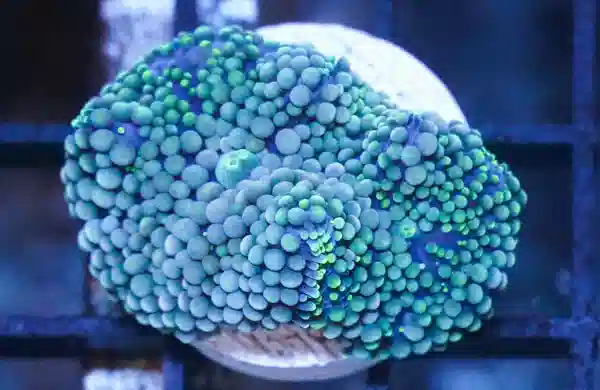
Feature bubble-like vesicles or “pseudotentacles” covering the surface, giving them a textured, polyp-rich appearance. Often display neon, high-contrast colors that stand out under blue LEDs.
Discosoma Mushrooms (Actinodiscus spp.)
Have smooth, flat discs with subtle ripples or patterns. While still colorful, they tend to show more blended or metallic shades rather than intense neon tones.
Lighting and flow:
Ricordea prefer moderate lighting and gentle to moderate flow, which helps maintain their structure and coloration.
Discosoma thrive in low to moderate light and low flow, making them ideal for shaded or lower-energy areas of the tank.
Growth behavior:
Discosoma grow and spread rapidly, often forming large colonies across rockwork.
Ricordea grow more slowly, producing fewer but thicker and more intensely colored polyps.
Pro tips:
Choose Discosoma for fast growth and low-light areas.
Choose Ricordea for premium color and texture in moderate-light zones.
Keep both away from sensitive SPS. They may overgrow or shade them.
Place mushrooms on isolated rocks if you want to control spreading.
Bottom line:
Ricordea mushrooms are bright, textured, and slower-growing, ideal for moderate light and stable reef tanks. Discosoma mushrooms are smooth, fast-spreading, and extremely hardy, perfect for beginners or low-light systems. Both offer durability, color, and ease of care, making them excellent additions to mixed reefs. Explore Saltwaterfish.com’s mushroom collection, each backed by our 8-Day Live Guarantee for confident reefkeeping.
Mushroom corals are typically some of the hardiest and most forgiving corals in a reef tank, so when they begin shrinking, closing, or refusing to open, it’s usually a sign that something in the environment has changed. Mushrooms respond quickly to stress, and while they can recover easily once the issue is identified, prolonged stress can slow growth or cause detachment.
Common reasons mushroom corals shrink or stay closed:
Too much light:
Mushrooms prefer low to moderate light. High PAR or sudden increases in intensity can cause them to shrink, bleach, or hide.
Too much flow:
Direct or strong flow prevents mushrooms from expanding and may cause them to fold inward or detach.
Instability in water parameters:
Mushrooms tolerate moderate nutrients, but swings in salinity, pH, alkalinity, or temperature can cause closing or shrinking.
Nutrient starvation:
Tanks running ultra-low nutrients (0 nitrate/0 phosphate) may cause mushrooms to shrink due to lack of available food.
Chemical irritants:
Toxins from soft coral warfare, activated carbon exhaustion, or recent dosing can irritate mushrooms.
Physical irritation:
Hermit crabs, fish grazing, or debris landing on the mushroom can cause temporary closing.
Placement issues:
Being too close to aggressive corals (like euphyllia, chalices, or zoanthids) can stress them.
Pro tips to help mushrooms reopen:
Reduce lighting intensity or move them to a shaded or lower area.
Adjust flow to gentle, indirect movement.
Check salinity, alkalinity, and temperature for recent swings.
Ensure nitrate is 5–10 ppm and phosphate is not zero.
Add activated carbon to reduce chemical irritants.
- Target-feed phytoplankton or fine coral foods to boost recovery.
Bottom line:
Mushroom corals shrink or fail to open when exposed to excessive light, strong flow, unstable water parameters, or chemical stress. Fortunately, these hardy corals rebound quickly once conditions are corrected. For healthy, vibrant mushrooms, explore Saltwaterfish.com’s mushroom coral collection, each backed by our 8-Day Live Guarantee for thriving arrivals.
Yes, mushroom corals are one of the few corals that can survive and even thrive in low-light environments. Belonging to the order Corallimorpharia, mushrooms naturally inhabit shaded reef zones, overhangs, and lagoon areas where light intensity is far lower than SPS or LPS coral habitats. Their ability to expand their tissue widely allows them to capture available light efficiently, making them ideal for beginner tanks, nano reefs, or lower-light areas of mixed reefs.
In fact, many mushroom corals prefer lower light. Too much PAR can cause shrinking, bleaching, or detachment.
Why mushrooms do well in low light:
Highly efficient photosynthesis: Their zooxanthellae can thrive in reduced light, allowing them to maintain energy production.
Adaptive tissue expansion: Mushrooms expand widely to maximize light absorption.
Low metabolic demand: They require less light energy than most corals to maintain growth.
Supplemental feeding support: Mushrooms can absorb dissolved nutrients and benefit from occasional feedings.
Ideal light range:
Most mushrooms thrive at 50–100 PAR.
Discosoma and Rhodactis prefer the lower end, perfect for shaded rock ledges or tank corners.
Ricordea florida needs slightly more light (100–150 PAR), though still manageable for most hobbyists.
Pro tips for keeping mushrooms in low light:
Start them low in the tank and move upward slowly if needed.
Avoid placing them directly under high-intensity LEDs without acclimation.
Pair low light with gentle flow to help them fully expand.
Feed phytoplankton or micro foods occasionally to enhance growth.
Watch for stretching: if mushrooms reach upward, they may need slightly more light.
Bottom line:
Mushroom corals do exceptionally well in low light and are among the most light-tolerant corals available. Their adaptability, hardiness, and vibrant colors make them perfect for beginners or for filling shaded areas where other corals struggle. Explore Saltwaterfish.com’s mushroom coral collection, each backed by our 8-Day Live Guarantee for healthy, thriving arrivals.
Propagating mushroom corals is one of the easiest and most rewarding fragging projects in the reef hobby. Mushrooms (Corallimorpharia) naturally reproduce by splitting or budding, but aquarists can safely speed up the process through simple cutting techniques. When handled correctly, mushrooms heal quickly, attach firmly, and grow into full colonies, making them excellent corals for beginners to propagate.
Best methods to propagate mushroom corals:
Cutting the mushroom into halves or quarters:
Remove the mushroom from the rock (or cut it in place if needed). Use a clean scalpel to cut the mushroom into pie-shaped wedges. Each piece should include a portion of the mouth for fastest regrowth.
Natural splitting:
Mushrooms often divide on their own when healthy. Provide gentle flow, moderate light, and stable parameters, and they may reproduce without intervention.
Fragging loose mushrooms:
Place cut pieces or unattached mushrooms in a shallow cup with rubble rock and low flow. Within 1–2 weeks, they will attach naturally.
Attaching the new frags:
Because mushrooms are soft and slimy, glue rarely sticks to them. Instead:
Use rubble rock in a specimen container or mesh cup.
Keep flow low so pieces don’t blow away.
Once attached, you can safely glue the rubble to your main rockwork.
Pro tips for successful propagation:
Use clean, sharp tools to prevent tearing.
Keep frags in low light for the first few days while they heal.
Maintain gentle flow: strong current slows attachment.
Do not over-handle; mushrooms are soft and tear easily.
- Feed lightly with phytoplankton or coral foods to speed recovery.
Bottom line:
Mushroom corals are among the easiest corals to propagate. With simple cutting techniques, low flow, and stable water conditions, they quickly regenerate into new, healthy polyps. For vibrant, hardy mushrooms ready to grow into frag colonies, explore Saltwaterfish.com’s mushroom coral selection, each backed by our 8-Day Live Guarantee for thriving arrivals.