





SPS Corals In Saltwater Aquariums: FAQ
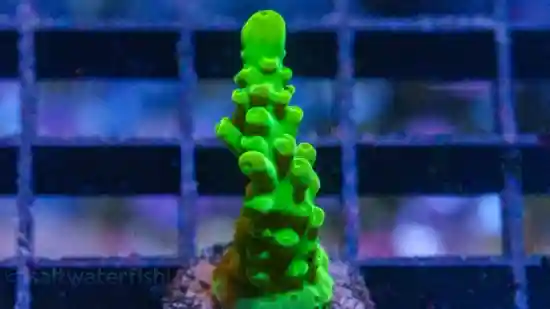
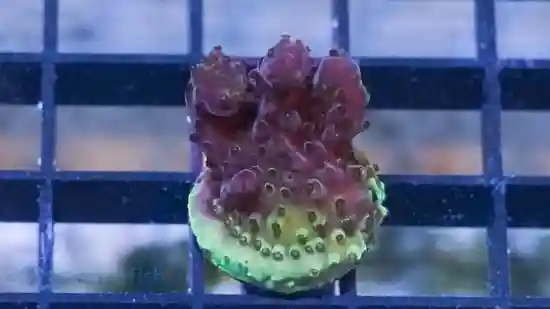
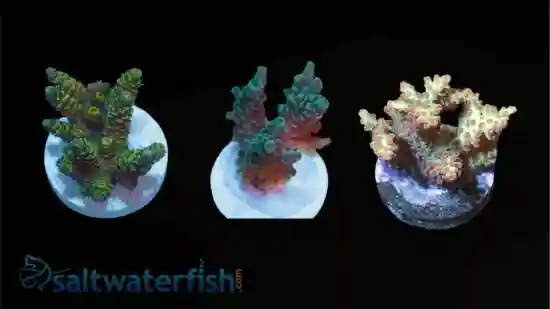
SPS corals, short for Small Polyp Stony corals, are a group of hard corals known for their rigid calcium skeletons, small polyps, and vivid coloration. Popular SPS corals include Acropora, Montipora, Birdsnest (Seriatopora), and Stylophora. These corals are often seen in high-end reef displays because they create dramatic reef structures and display intense colors under proper lighting.
Are SPS corals good for your reef tank?
Yes, SPS corals can be excellent additions, but they are best suited for intermediate to advanced reef keepers. SPS corals are more demanding than soft corals or many LPS corals, and their success depends heavily on system stability and attention to detail.
Why reef keepers choose SPS corals:
Exceptional color and growth forms
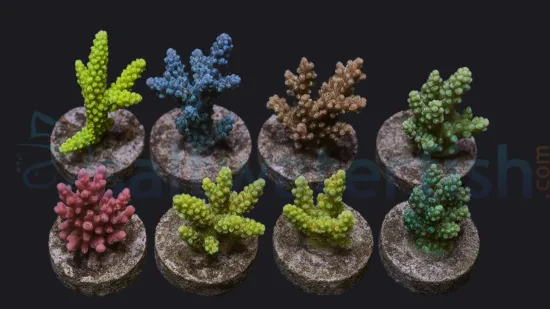
SPS corals offer branching, plating, and encrusting shapes that build natural reef architecture. With proper care, they develop striking blues, purples, greens, and pinks that few other corals can match.
Indicators of a healthy reef system
Because SPS corals are sensitive to changes in water chemistry, they often act as a “canary in the coal mine,” signaling how stable and balanced a reef tank truly is.
Long-term reward
While they require patience, SPS corals reward consistency with steady growth, strong coloration, and a thriving reef ecosystem.
Key requirements for SPS corals:
Strong, stable lighting (high PAR, typically 200–400 depending on species)
Strong, turbulent water flow
Very stable water parameters, especially alkalinity, calcium, and magnesium
Low but detectable nutrients (nitrate and phosphate not at zero)
SPS corals are generally not recommended for new tanks under 6–9 months old due to stability requirements.
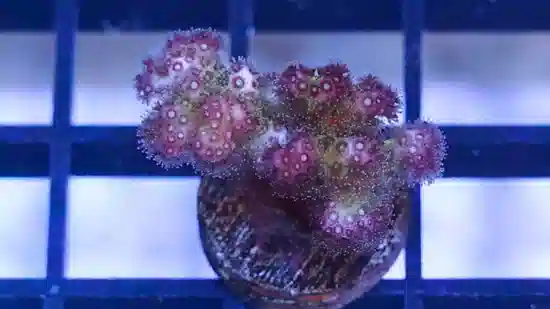
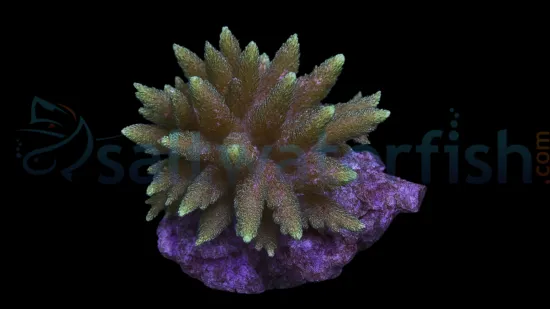
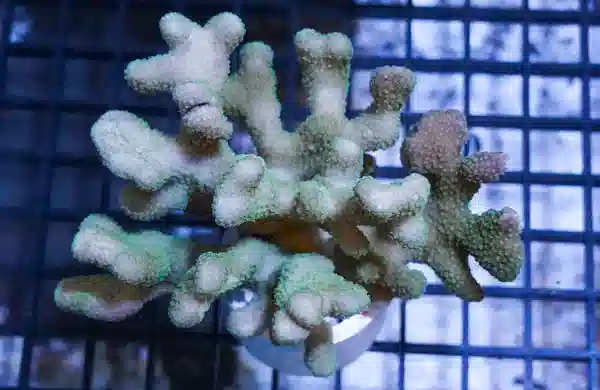
One Saltwaterfish.com reviewer of the Yellow w/ Pink Tips Birdsnest shared: “Healthy and thriving.”
Who should consider SPS corals:
Reef keepers with established, stable systems
Hobbyists comfortable testing and maintaining water chemistry
- Those looking to elevate their reef to a true showcase level
Bottom line:
SPS corals are stunning, rewarding, and iconic reef corals, but they demand stability, strong lighting, and consistent care. If your reef tank is mature and well-maintained, SPS corals can transform it into a vibrant, professional-quality display. For tank-conditioned SPS corals clearly labeled for care level and backed by Saltwaterfish.com’s 8-Day Live Guarantee, explore the SPS Coral Collection and take your reef to the next level with confidence.
Caring for SPS corals is less about complexity and more about discipline and consistency. SPS corals thrive in systems where conditions change slowly, predictably, and rarely. When that stability is achieved, their care becomes routine rather than fragile.
Core care requirements for SPS corals:
Stable water chemistry (non-negotiable)
The single most important factor in SPS care is alkalinity stability. SPS corals respond poorly to daily swings, even when numbers remain within acceptable ranges. Maintaining a consistent alkalinity level matters far more than chasing an exact target value. This stability supports skeletal growth, tissue health, and long-term coloration.
Strong, high-quality lighting
Lighting and flow work together to support SPS health. Strong, evenly distributed lighting fuels photosynthesis, while turbulent, randomized flow keeps tissue clean and oxygenated. Problems arise when either factor changes suddenly or is unevenly applied across the tank.
Nutrient Balance
Nutrient balance is another misunderstood area. SPS corals do not thrive in sterile systems. Low but detectable nitrate and phosphate levels are essential to maintain zooxanthellae health and prevent pale coloration or tissue loss.
Finally, SPS corals reward patience. Adjustments should be made slowly, testing should focus on trends rather than isolated readings, and new additions should only be made to mature systems.
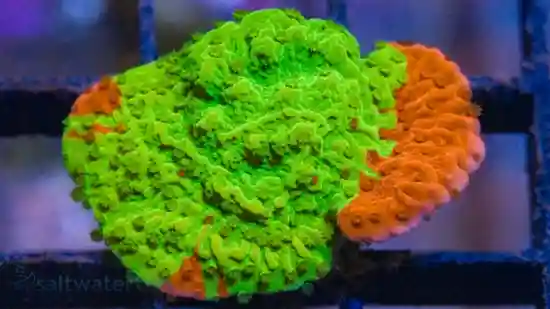
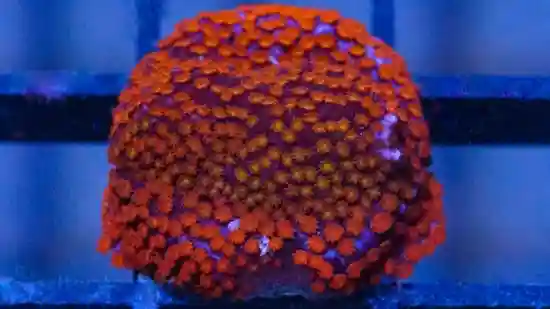
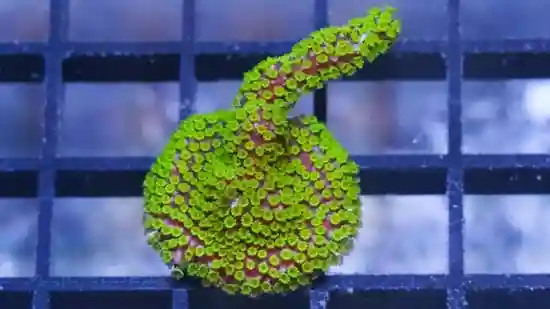
One Saltwaterfish.com reviewer of the Rainbow Pocillopora Cauliflower Coral shared: “Beautiful coral.”
Bottom line:
SPS corals thrive in stable, well-maintained reef systems with strong lighting, turbulent flow, and consistent water chemistry. While they demand more precision than other corals, the payoff is exceptional color, growth, and reef structure. For tank-conditioned SPS corals clearly labeled for care level and backed by Saltwaterfish.com’s 8-Day Live Guarantee, explore the SPS Coral Collection and elevate your reef with confidence.
SPS and LPS corals are both stony corals, meaning they build hard calcium-based skeletons, but they differ significantly in appearance, care requirements, behavior, and suitability for different reef keepers. Understanding the difference between SPS vs. LPS corals is essential when planning a reef tank that thrives long term.
What are SPS corals (Small Polyp Stony)?
SPS corals, such as Acropora, Montipora, Birdsnest, and Stylophora, have very small polyps and dense skeletal structures. They are known for branching, plating, or encrusting growth forms and vibrant coloration under strong lighting.
Require high PAR lighting
Need strong, turbulent water flow
Demand extremely stable water parameters, especially alkalinity
Prefer low but detectable nutrients
Because of their sensitivity, SPS corals are best suited for intermediate to advanced reef keepers with mature systems.
What are LPS corals (Large Polyp Stony)?
LPS corals, including Hammer, Frogspawn, Torch, Brain, and Candy Cane corals, have large, fleshy polyps and slower skeletal growth.
Prefer moderate lighting and flow
Are more forgiving of parameter swings
Often show visible feeding responses
Can have long sweeper tentacles and require spacing
LPS corals are generally considered easier to care for and are popular in beginner to intermediate reefs.
Key differences at a glance:
SPS: higher difficulty, faster skeletal growth, more sensitive
LPS: moderate difficulty, fleshy movement, more forgiving
SPS: indicator of system stability
LPS: better tolerance for mixed reef conditions
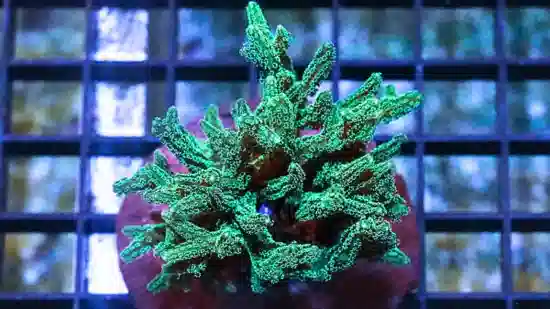
One Saltwaterfish.com reviewer of the Fiji Acropora Coral shared: “Beautiful Acropora. Doing great.”
Which should you choose?
Choose LPS corals if you want movement, color, and easier care
Choose SPS corals if your tank is stable and you want a high-end showcase reef
- Many successful tanks use a mixed reef approach, placing SPS higher and LPS lower
Bottom line:
The difference between SPS and LPS corals comes down to polyp size, care demands, and system stability. LPS corals are more forgiving and beginner-friendly, while SPS corals reward precision and consistency with unmatched structure and color. For clearly labeled, tank-conditioned SPS and LPS corals backed by Saltwaterfish.com’s 8-Day Live Guarantee, explore the Coral Collection and build a reef that matches your experience level with confidence.
SPS corals (Small Polyp Stony corals) are highly prized for their color and growth, but they are also known for being very sensitive to water parameter stability. Unlike soft corals or many LPS corals, SPS corals don’t tolerate swings well. Success with SPS isn’t about chasing perfect numbers, it’s about maintaining consistent, stable parameters over time. When those conditions are met, SPS corals thrive and reward reef keepers with exceptional coloration and structure.
Ideal water parameters for SPS corals:
Temperature:
75–78°F
Stability is critical; even short spikes can cause stress or bleaching.
Salinity:
1.025–1.026 specific gravity
Fluctuations are more harmful than being slightly off target.
Alkalinity (most critical):
7.5–9.0 dKH
Alkalinity stability directly affects SPS growth and tissue health. Daily swings are one of the most common causes of SPS failure.
Calcium:
400–450 ppm
Essential for skeletal growth and long-term coral strength.
Magnesium:
1250–1350 ppm
Helps stabilize calcium and alkalinity levels.
Nitrate:
2–10 ppm
Ultra-low nutrients often lead to pale color and slow growth.
Phosphate:
0.02–0.08 ppm
Zero phosphate can be just as problematic as high phosphate.
Why stability matters more than perfection:
SPS corals respond poorly to rapid changes, even within “acceptable” ranges. Many experienced reef keepers report better results holding slightly imperfect numbers consistently than constantly adjusting to hit an exact target.
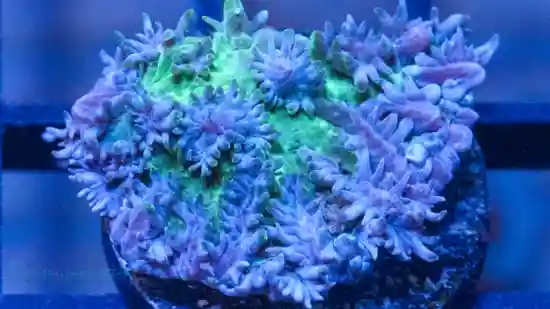
One Saltwaterfish.com reviewer of the Blueberry Haze Psammocora Coral shared: “Great looking piece.”
Pro tips for maintaining SPS parameters:
Test alkalinity frequently (daily or every other day)
Use automated dosing or a calcium reactor for consistency
Make slow, incremental adjustments
Perform regular, small water changes
Avoid sudden lighting or flow changes that amplify stress
Bottom line:
SPS corals require stable temperature, salinity, alkalinity, calcium, magnesium, and low-but-detectable nutrients. When consistency is prioritized, SPS corals become hardy, vibrant, and fast-growing showpieces. For tank-conditioned SPS corals clearly labeled for care level and backed by Saltwaterfish.com’s 8-Day Live Guarantee.
SPS coral tanks require precision-focused equipment designed to deliver stability, strong lighting, and consistent water movement. Unlike soft corals or many LPS corals, SPS corals thrive only when their environment remains highly stable day after day. The right equipment isn’t about luxury, it’s about control, consistency, and reliability. When properly equipped, SPS systems are incredibly rewarding and capable of producing vibrant color and rapid growth.
Essential equipment for an SPS coral tank:
High-quality reef lighting (non-negotiable)
SPS corals require strong, consistent PAR to fuel photosynthesis.
LED reef lights, T5 fixtures, or hybrid LED/T5 systems
Target PAR: 200–400, depending on species
Blue-heavy spectrum (14K–20K)
Consistency and even coverage matter more than raw intensity.
Strong, turbulent water flow
SPS corals demand random, high-energy flow to keep tissue clean and deliver oxygen.
Multiple controllable powerheads or gyre pumps
Alternating or random flow modes
Laminar flow is one of the most common SPS mistakes.
Reliable protein skimmer
A quality skimmer helps manage nutrients while maintaining oxygen levels, critical in SPS systems where feeding and dosing are common.
Dosing system or calcium reactor
SPS corals rapidly consume alkalinity and calcium.
Automated dosing pumps or calcium reactors
Manual dosing often becomes inconsistent at scale
Stability in alkalinity is especially critical.
Accurate testing equipment
High-quality alkalinity test kits or monitors
Calcium and magnesium test kits
Salinity refractometer (calibrated)
Testing ensures small issues are corrected before they become big problems.
Temperature control
Reliable heater (and controller if possible)
Optional cooling fans or chiller
Temperature swings are a major SPS stressor.
Optional but highly beneficial equipment:
Controller systems (Apex, Hydros) for automation and alerts
Activated carbon and media reactors
Auto top-off (ATO) system to maintain salinity
Refugium or nutrient control method to keep nutrients detectable but controlled
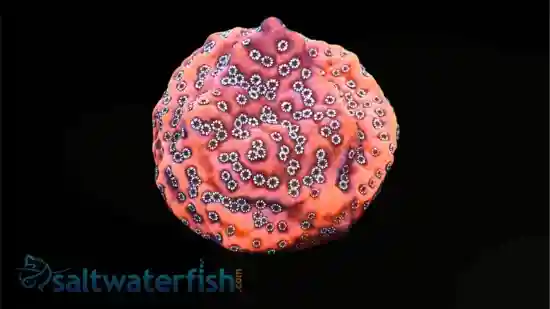
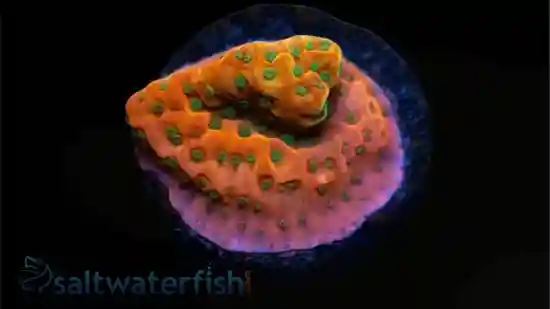
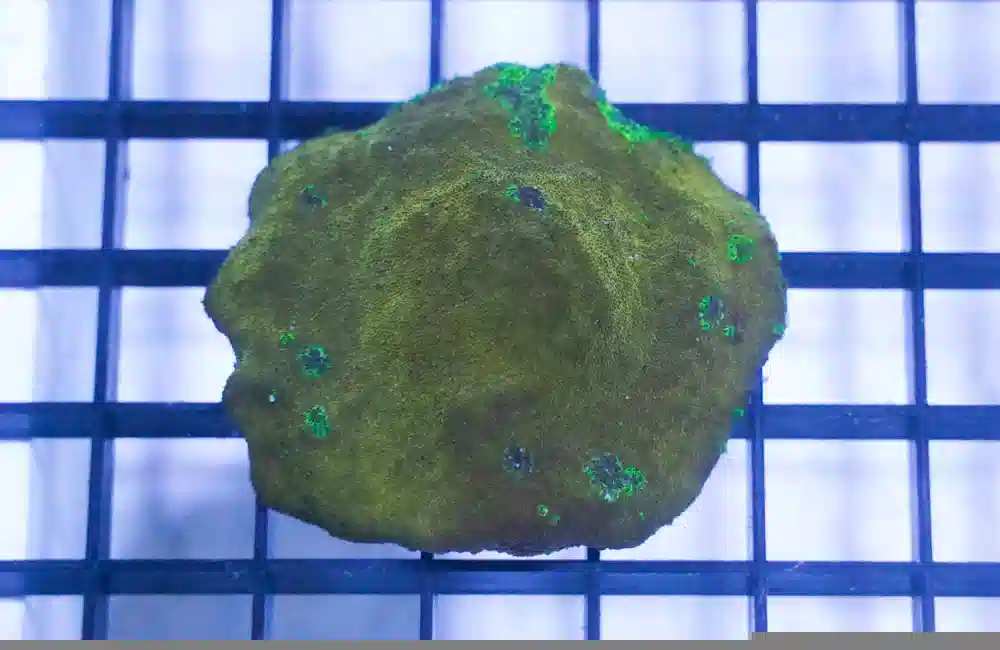
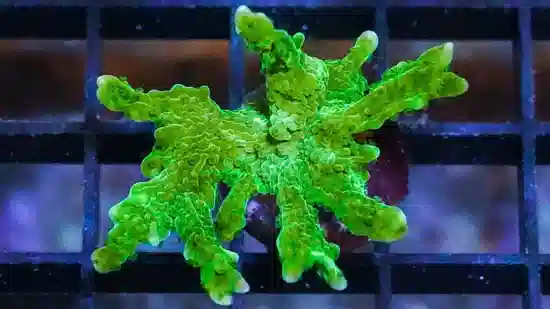
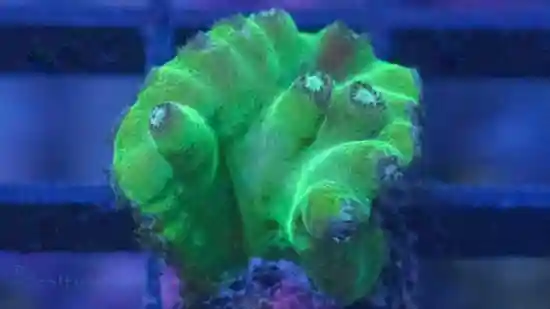
One Saltwaterfish.com reviewer of the Orange Cactus Pavona Coral shared: “I love this Cactus Pavona Coral\! Pictures don’t compare to the live fish. The new addition improves my saltwater water aquarium. Everyone loves it.”
Pro tips for SPS equipment success:
Prioritize stability over complexity
Avoid frequent equipment changes
Automate dosing and top-off whenever possible
Ensure redundancy for heaters and circulation
- Monitor trends, not just single test results
Bottom line:
An SPS coral tank requires strong lighting, turbulent flow, reliable filtration, and consistent dosing equipment to succeed. When the right tools are in place, SPS corals reward reef keepers with exceptional growth, color, and reef structure. For tank-conditioned SPS corals clearly labeled for care level and backed by Saltwaterfish.com’s 8-Day Live Guarantee.
Fragging SPS corals (Small Polyp Stony corals) is a common and rewarding practice that allows reef keepers to propagate healthy colonies, manage growth, and share or trade frags. While SPS corals are more delicate than soft corals, fragging is very safe and repeatable when done correctly. The keys are clean cuts, stable water conditions, and gentle handling.
What you’ll need to frag SPS corals safely:
Bone cutters or coral shears (for branching SPS like Acropora or Birdsnest)
Diamond band saw (optional, for clean precision cuts)
Reef-safe cyanoacrylate gel or epoxy
Frag plugs or small live rock pieces
Gloves and eye protection
Clean saltwater for rinsing
Step-by-step SPS fragging process:
1\. Choose a healthy coral
Only frag SPS corals that show good polyp extension, strong color, and no tissue recession. Fragging stressed corals often leads to losses.
2\. Make clean, decisive cuts
For branching SPS, cut cleanly through a branch tip or side branch. Avoid crushing tissue. For plating or encrusting SPS, cut away a small section of the edge.
3\. Rinse and mount immediately
Briefly rinse the frag in clean saltwater to remove debris, then glue the frag to a plug or rock using thick gel glue. Hold in place for 20–30 seconds.
4\. Allow proper healing
Place new frags in moderate flow and slightly reduced light for the first 5–10 days. This minimizes stress and promotes tissue recovery.
Best conditions for SPS frag recovery:
Stable alkalinity (7.5–9 dKH)
Strong, indirect turbulent flow
Blue-heavy lighting, slowly acclimated
Low but detectable nutrients
Pro fragging tips:
Frag only small portions at a time
Avoid fragging right after parameter changes
Keep tools clean between corals
Label frags to track growth and lineage
Bottom line:
Fragging SPS corals is safe and effective when done with clean tools, stable water parameters, and proper aftercare. It’s one of the best ways to manage growth and build a thriving reef over time. For tank-conditioned SPS corals clearly labeled for care level and backed by Saltwaterfish.com’s 8-Day Live Guarantee.
The best lighting for SPS coral growth is strong, stable, and evenly distributed light with a blue-heavy spectrum. SPS corals (Small Polyp Stony corals) such as Acropora, Montipora, Birdsnest, and Stylophora rely heavily on photosynthesis, and lighting quality is one of the most important factors influencing growth rate, coloration, and long-term health. More light isn’t always better, consistency and coverage matter just as much as intensity.
Ideal lighting requirements for SPS corals:
PAR (light intensity):
200–400 PAR, depending on species
Acropora typically thrive closer to the higher end
Montipora and Birdsnest often do well in the mid-range
Sudden spikes or uneven hotspots can cause bleaching, so gradual acclimation is essential.
Spectrum:
Blue-heavy spectrum (14K–20K)
Strong emphasis on royal blue, blue, and violet wavelengths
Minimal white is needed; too much white can increase algae and wash out color
Blue light maximizes zooxanthellae efficiency and enhances SPS coloration.
Lighting systems that work best:
High-quality LED reef lights (with full spectrum control)
T5 fluorescent fixtures (excellent for even coverage)
Hybrid LED/T5 systems (often considered the gold standard for SPS)
Hybrid setups are popular because T5s eliminate shadowing while LEDs provide intensity and spectrum control.
Photoperiod:
8–10 hours of full-intensity light
Optional ramp-up and ramp-down periods reduce stress
Common lighting mistakes to avoid:
Chasing extreme PAR numbers
Making rapid lighting changes
Poor spread that creates shaded or blasted areas
Inconsistent schedules
Pro tips for maximizing SPS growth:
Acclimate corals slowly to new lighting
Prioritize even coverage over raw power
Keep lighting consistent day to day
- Pair strong lighting with proper flow and stable alkalinity
Bottom line:
The best lighting for SPS coral growth delivers 200–400 PAR, a blue-heavy spectrum, and consistent coverage without sudden changes. When lighting is stable and well-matched to coral placement, SPS corals reward reef keepers with rapid growth and exceptional color. For tank-conditioned SPS corals clearly labeled for care level and backed by Saltwaterfish.com’s 8-Day Live Guarantee, explore the SPS Coral Collection and build a reef designed to thrive.
Proper acclimation is critical for SPS corals because they are highly sensitive to sudden changes in light, flow, and water chemistry. Rushing this process is one of the most common reasons SPS corals bleach, lose tissue, or fail to thrive after arrival. When acclimated correctly, SPS corals adapt quickly and often show strong polyp extension within days.
Step-by-step SPS coral acclimation process:
1\. Temperature acclimation (first 15–20 minutes)
Float the sealed coral bag in your aquarium or sump to equalize temperature. Do not open the bag during this step, as temperature shock is a major stressor for SPS.
2\. Water parameter acclimation (10–20 minutes)
Once temperature is matched:
Open the bag and place the coral and shipping water into a clean container
Slowly add small amounts of tank water every few minutes
This helps SPS corals adjust to differences in salinity, alkalinity, and pH.
3\. Coral dip (highly recommended)
Before placing the coral in your tank, use a reef-safe coral dip to remove pests like flatworms, nudibranchs, and parasites. This step protects both the new coral and your existing reef.
4\. Light acclimation (most important step)
SPS corals should never be placed directly under full lighting immediately.
Start them lower in the tank or reduce lighting intensity by 30–50%
Gradually increase light over 7–14 days
This prevents bleaching and light shock.
5\. Flow acclimation
Begin with moderate, indirect flow.
Avoid direct powerhead blasts
Increase flow gradually as the coral settles
Pro acclimation tips for SPS success:
Acclimate SPS only in stable, mature tanks (6–9+ months old)
Do not adjust alkalinity, lighting, or flow at the same time
Observe tissue color and polyp extension daily
Make changes slowly, SPS respond better to patience than speed
Bottom line:
Successful SPS acclimation is all about slow transitions and stability. Temperature matching, careful water acclimation, pest dipping, and gradual light and flow increases dramatically improve survival and long-term growth. For tank-conditioned SPS corals clearly labeled for care level and backed by Saltwaterfish.com’s 8-Day Live Guarantee, explore the SPS Coral Collection and introduce your new corals with confidence.
SPS coral bleaching occurs when corals become stressed and expel or lose a significant portion of their zooxanthellae, the symbiotic algae responsible for color and much of their energy. While bleaching can look sudden and alarming, it is almost always the result of environmental instability, not a random event. Understanding the root causes is essential for preventing losses and restoring coral health.
The most common causes of SPS coral bleaching:
1\. Rapid lighting changes (most common cause)
SPS corals are extremely sensitive to sudden increases in light intensity.
Adding new SPS directly under full lighting
Increasing PAR too quickly
Switching lighting systems without acclimation
All of these can overwhelm zooxanthellae and cause bleaching within days.
2\. Alkalinity swings
Unstable alkalinity is one of the leading killers of SPS corals.
Daily or weekly swings stress coral tissue
Even “acceptable” ranges cause damage if unstable
Consistency matters more than hitting a perfect number.
3\. Temperature stress
SPS corals tolerate only a narrow temperature range.
Spikes above 80°F
Rapid fluctuations
Heater or controller failures
These events often trigger rapid bleaching.
4\. Ultra-low nutrients
While SPS prefer clean water, zero nutrients are harmful.
Nitrate at 0 ppm
Phosphate at 0.00 ppm
This starves zooxanthellae and leads to pale or white tissue.
5\. Poor or incorrect water flow
Inadequate or laminar flow prevents gas exchange and waste removal, increasing stress on coral tissue.
6\. Chemical stress
Heavy metals
Contaminants
Aggressive carbon dosing
Large, sudden water changes
How to prevent SPS bleaching:
Acclimate all new corals to light slowly (7–14 days)
Keep alkalinity extremely stable (7.5–9 dKH)
Maintain temperature at 75–78°F with minimal fluctuation
Keep nutrients low but detectable
Avoid rapid changes to lighting, flow, or chemistry
Use quality testing equipment and automated dosing
Bottom line:
SPS corals bleach due to stress caused by rapid changes, most often lighting and alkalinity instability. When parameters are kept stable and changes are made slowly, SPS corals retain color, recover faster, and thrive long term. For tank-conditioned SPS corals clearly labeled for care level and backed by Saltwaterfish.com’s 8-Day Live Guarantee, explore the SPS Coral Collection and build a reef designed for stability and success.
SPS corals (Small Polyp Stony corals) are prized for their color and growth, but they are also highly sensitive to stress, which means problems can appear quickly if conditions shift. What many reef keepers call “SPS coral disease” is usually not a true disease at all, but a stress response caused by instability in lighting, alkalinity, temperature, or nutrients. Correct identification and fast, calm action are the difference between saving a coral and losing an entire colony.
Most common SPS coral issues and how to identify them:
Rapid Tissue Necrosis (RTN)
Tissue peels away rapidly, often within hours
White skeleton exposed almost overnight
Usually triggered by sudden alkalinity or temperature swings
Slow Tissue Necrosis (STN)
Gradual tissue loss over days or weeks
Often starts at the base
Linked to chronic instability or ultra-low nutrients
Bleaching
Coral turns pale or white but tissue remains intact
Caused by light shock, temperature spikes, or nutrient starvation
Pest-related damage
Patchy tissue loss or poor polyp extension
Often caused by flatworms, red bugs, or nudibranchs
Bacterial stress events (less common)
Slimy tissue or cloudy water around the coral
Usually tied to oxygen deprivation or heavy organic load
Treatment strategies that actually work:
Stabilize first, adjust second and stop chasing numbers
Frag healthy sections immediately if RTN is present
Reduce lighting if bleaching is observed
Ensure strong, turbulent flow for oxygenation
Maintain alkalinity stability (7.5–9 dKH with minimal daily swing)
Keep nutrients low but detectable (nitrate 2–10 ppm, phosphate 0.02–0.08 ppm)
Use coral dips for suspected pest issues
Run activated carbon to reduce chemical stress
Prevention is the best treatment:
Add SPS only to mature tanks (6–9+ months old)
Acclimate new corals slowly to light and flow
Automate dosing to prevent alkalinity swings
Avoid sudden equipment or lighting changes
- Track trends, not just individual test results
Bottom line:
Most SPS coral “diseases” are actually stress reactions, not infections. Early identification, immediate stabilization, and slow corrective action can save even high-end SPS corals. With consistent parameters and careful observation, SPS corals become hardy, resilient, and fast-growing centerpieces. For tank-conditioned SPS corals clearly labeled for care level and backed by Saltwaterfish.com’s 8-Day Live Guarantee.
Yes, nearly all SPS-dominated reef tanks require dosing once coral growth begins. SPS corals consume alkalinity, calcium, and magnesium continuously as they build dense calcium carbonate skeletons. In most systems, water changes alone cannot keep up with this demand.
Alkalinity (most critical)
Alkalinity is the most critical element to manage. Even small daily drops can slow growth or trigger tissue stress. Calcium and magnesium support skeletal formation and stabilize alkalinity, making all three elements inseparable in SPS systems.
Consistency is key
What matters most is not how you dose, but how consistently you dose. Automated dosing systems or calcium reactors dramatically reduce daily swings and human error, which is why they are so widely used in successful SPS tanks. Manual dosing can work in lightly stocked systems, but it becomes risky as coral mass increases.
Additional supplements like amino acids or trace elements can enhance color and polyp extension, but they are secondary to core stability. Over-supplementation without testing often causes more harm than benefit.
Bottom line:
Yes, SPS corals do require dosing or supplementation in nearly all established reef tanks. Stable alkalinity, calcium, and magnesium are non-negotiable for long-term growth and color. With proper dosing and consistency, SPS corals become hardy, fast-growing showpieces. For tank-conditioned SPS corals clearly labeled for care level and backed by Saltwaterfish.com’s 8-Day Live Guarantee, explore the SPS Coral Collection and build a reef designed to thrive.