Broadhead Flathead Fish
Sunagocia arenicola
(0 Reviews)
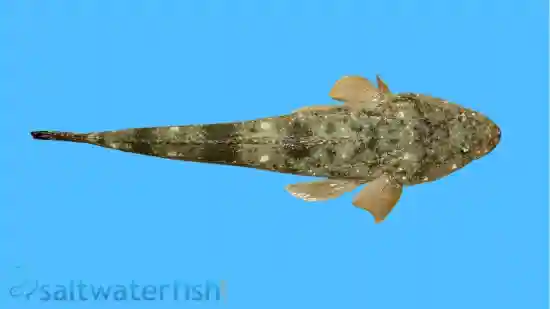
Broadhead Flathead Fish
Sunagocia arenicola
(0 Reviews)
Broadhead Flathead Fish - Fiji
Size: < 2"
$77.99
Broadhead Flathead Fish - Fiji
Size: 2 - 3"
$102.99
Broadhead Flathead Fish - Fiji
Size: 3 - 4"
$123.99
Broadhead Flathead Fish - Fiji
Size: 4" >
$172.99
To join the waiting list, click here
Free Shipping
With
$199.00
or more in Marine Life.
More details...

Broadhead Flathead Fish Care Facts
| Care Level: | Moderate |
|---|---|
| Temperament: | Semi-Aggressive |
| Diet: | Carnivore |
| Reef Safe: | No |
| Minimum Tank Size: | 100 gallons |
| Max Size: | 14 inches |
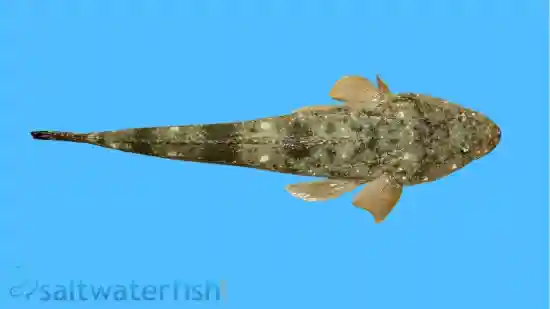
The Broadhead Flathead Fish (Sunagocia arenicola) is a bottom-dwelling ambush predator suited for experienced marine aquarists seeking a sand-associated species that displays natural camouflage and hunting behavior. This species spends much of its time partially buried beneath fine substrate, conserving energy while waiting for prey to pass. When housed in a properly prepared system, it remains stable, predictable, and well-adapted to captivity, making it a deliberate choice for keepers who value authentic Indo-Pacific ecology over constant movement.
Its flattened body, cryptic coloration, and fringed eyes allow it to blend into sandy and rubble zones, reducing stress and supporting long-term health. Common concerns around feeding response, safety, and tank design are best addressed before purchase, as this fish performs best in established aquariums with stable water parameters and a dedicated sand bed. Availability is often limited due to its specialized care profile, reinforcing the importance of planning ahead.
Note: This species contains venom in their dorsal spines, similar to Lion Fish.
Appearance
The Broadhead Flathead Fish has a wide, flattened head and elongated body with brown to tan coloration, faint banding, and irregular mottling that closely matches sandy and rubble substrates. Subtle marbling and fringed eyes disrupt its outline, making it difficult to detect when partially buried.
Care & Requirements
A fine sand substrate is essential for this species, as it relies on partial burial for camouflage and security. Coarse gravel or sharp substrates should be avoided, as they prevent natural behavior and may cause injury. Open sand areas should be prioritized, with rockwork kept stable and positioned to the perimeter of the tank.
Strong mechanical filtration and consistent maintenance are required due to the waste output associated with a carnivorous diet. Feeding should focus on marine-based meaty foods such as shrimp, fish flesh, and other appropriately sized offerings. Many individuals accept frozen foods reliably once acclimated, especially when fed during low-light periods.
Venomous dorsal spines are present and serve as a defensive mechanism. While the fish is not aggressive, care should be taken during tank maintenance to avoid accidental contact.
Does the Broadhead Flathead bury itself completely?
Yes, it often buries most of its body, leaving only the eyes exposed.
Is this species active during the day?
It is primarily sedentary during daylight hours and more responsive at dusk or under dim lighting.
Does it require live food long term?
Most specimens transition successfully to frozen meaty foods.
Tank Mates & Compatibility
The Broadhead Flathead Fish should only be housed with larger, non-aggressive fish that cannot be swallowed. Small fish, shrimp, and crabs will be viewed as prey and should not be kept in the same system. Bottom-dwelling species that compete for space or feeding zones are also discouraged.
Suitable tank mates are typically mid-water or open-water species with calm temperaments and similar water requirements. This fish is predatory rather than territorial and generally ignores tank mates it cannot consume.
Can it be kept with other flathead species?
Keeping multiple flathead species together is not recommended due to competition for ambush space.
Will it attack fish larger than itself?
It targets prey it can swallow whole and ignores larger fish.
Is it aggressive toward tank mates?
It is not aggressive but is opportunistic toward suitable prey.
Aquaculture/Availability
Currently, captive-bred Broadhead Flathead Fish are not widely available, and the trade relies primarily on wild-caught specimens from the Indo-Pacific. Due to specialized feeding behavior and habitat needs, consistent aquaculture production has not been established.
Availability can be sporadic, making system readiness important before acquisition. Proper acclimation and an established sand bed greatly improve long-term success.
Are captive-bred Broadhead Flatheads available?
At this time, they are not commonly produced in captivity.
Is this species seasonal in availability?
Supply can fluctuate based on collection conditions and export limitations.
Are wild-caught specimens hardy?
They adapt well when placed into prepared, stable aquariums.
FAQ
Is the Broadhead Flathead Fish venomous and dangerous to keep?
This species has venomous dorsal spines used defensively. While it is not aggressive, careful handling and awareness during tank maintenance are required to avoid accidental stings.
What size tank is best for a Broadhead Flathead Fish?
A minimum of 100 gallons is recommended to provide sufficient sand area, stable water quality, and space for natural ambush behavior.
What does a Broadhead Flathead Fish eat in captivity?
It feeds on marine-based meaty foods such as shrimp and fish flesh, with most individuals adapting to frozen offerings.
Can a Broadhead Flathead Fish live in a reef tank?
It is not reef safe and will prey on shrimp, crabs, and small fish, making it unsuitable for reef aquariums.
How long does a Broadhead Flathead Fish live?
With proper care and stable water conditions, lifespan typically ranges from 8 to 10 years.
Is the Broadhead Flathead Fish suitable for beginners?
This species is best suited for experienced marine aquarists due to its specialized habitat needs, predatory diet, and defensive spines.
Currently Broadhead Flathead Fish does not have any reviews.