Black Longspine Urchin
Diadema sp.
(8 Reviews)
Black Longspine Urchin
Diadema sp.
(8 Reviews)
Black Longspine Urchin
Size: 2 - 3"
$42.99
To join the waiting list, click here
Free Shipping
With
$199.00
or more in Marine Life.
More details...

Black Longspine Urchin Care Facts
| Care Level: | Moderate |
|---|---|
| Temperament: | Peaceful |
| Diet: | Omnivore |
| Reef Safe: | Yes |
| Minimum Tank Size: | 75 Gallons |
| Max Size: | Body - 4 inches, Spines 10-12 inches |
The Black Longspine Urchin (Diadema spp.) offers reliable algae control and balanced grazing behavior that supports a clean, stable reef system. Many aquarists choose this species because it solves common concerns such as unwanted algae growth, nighttime cleanup coverage, and peaceful tank compatibility. Its long spines give it strong visual presence, and hobbyists value how consistently it performs in established reef tanks. With years of proven use in marine aquariums and clear expectations for care, this urchin is a dependable cleanup addition for tanks large enough to support its full size.
Appearance
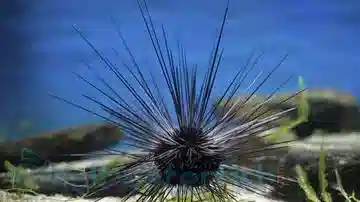
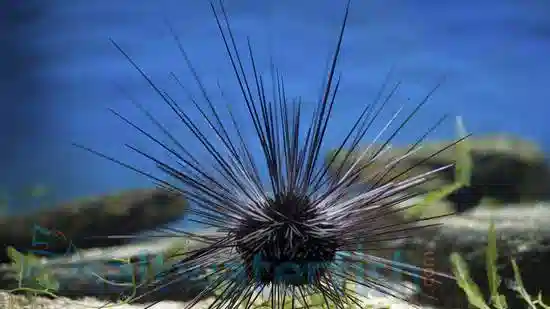
The Black Longspine Urchin has a round black body with slender, extended spines that can reach a full diameter much larger than the body itself. Some individuals show faint blue or green lines and an eyespot near the center. The extended spines give it precise movement across rock surfaces while maintaining distance from other tank inhabitants.
Care & Requirements
The Black Longspine Urchin relies on steady water quality and a tank with regular algae growth. It grazes most actively at night and benefits from rock structures that provide daytime cover. Stable salinity, consistent pH, and mature biofilm support long-term health. Avoid direct handling, as broken spines take time to regrow and can carry a painful sting. Copper treatments and fast parameter changes can cause stress or even death, so maintaining consistency is important.
Do Black Longspine Urchins need a mature tank?
Yes. They rely on established algae and biofilm for steady grazing.
How fast do Black Longspine Urchins grow?
The body grows slowly, but spines reach near-full length in a few months when water quality is stable.
Can the spines break easily?
Yes. Spines are brittle, but they regrow when conditions remain stable.
Tank Mates & Compatibility
This species stays peaceful and works well with most reef-safe fish and invertebrates. It avoids conflict and focuses on constant grazing. Ensure rockwork is secure and glued down so movement does not shift loose coral pieces. Avoid pairing with species known to nip or bite at urchin spines, including some triggers and puffers.
Are these urchins safe with coral?
Yes as long as the tank is large and the corals are secured in place. They do not consume coral tissue and pass through reef structures without damaging polyps for the most part.
Can they live with other urchins?
They can when there is enough space and algae for each individual.
Will they bother slow-moving invertebrates?
No. They ignore snails, hermits, and other peaceful invertebrates.
Aquaculture/Availability
Currently, captive-bred Black Longspine Urchins are not widely available, so most specimens come from wild collection in regions with stable populations. Seasonal changes in collection zones influence size and availability.
Are captive-bred Black Longspine Urchins available?
Not consistently. Captive breeding efforts are limited and availability varies.
Is wild collection sustainable for this species?
Collection is managed in many regions to limit pressure on local populations.
FAQ
How large can a Black Longspine Urchin appear in a tank?
The body grows to around 4 inches, but the spines can extend outward to about 12 inches, giving the appearance of a much larger diameter. Tanks with open swimming space help prevent the spines from contacting structures.
What tank size supports long-term health for this species?
A 75-gallon tank or larger provides the space needed for full spine extension and daily grazing. Larger systems also offer better stability for salinity, pH, and algae availability.
How often do they graze on algae?
They graze throughout the night and during quiet daytime periods, helping maintain clean rockwork and reducing algae buildup.
How mild is the sting from a Black Longspine Urchin?
The sting is mild and similar to a bee sting. Spines can break on contact, so avoiding direct handling prevents accidental injury and protects the urchin.
Are Black Longspine Urchins compatible with soft corals and LPS?
Yes. Their grazing behavior stays focused on film algae and detritus, not coral tissue, making them suitable for a wide range of reef setups.
What nighttime behavior should hobbyists expect?
They leave their hiding spots after dark to graze more actively. This nocturnal pattern supports continuous algae control without disrupting daytime tank activity.
What water parameters are ideal for long-term success?
Stable salinity between 1.023 and 1.025, pH ranging from 8.1 to 8.4, and temperatures between 72 and 78°F provide the conditions needed for strong spine growth and steady movement.
Can they shift rock or coral while moving?
They may move loose pieces if the structure is not secured. Ensuring stable rock placement prevents shifting as the urchin grows and the spines extend further.
Reviewed by: Dawnde Jarrell on Oct. 20, 2025
Reviewed by: Bradley Cross on April 16, 2025
Reviewed by: Emmanuel Scigliano on Dec. 27, 2024
Love it!
Reviewed by: Michael Edgerson on April 28, 2024
The perfect sized urchin and they were very healthy.
Reviewed by: Sean Boyer on Feb. 11, 2024
Very unique specimen to have in the tank.
Reviewed by: Russell Hoyt on Feb. 1, 2024
Reviewed by: Franklin West on Jan. 23, 2024
A unique addition to the tank, that requires zero attention. This adds a another visual element to the tank, as he roams around the tank, not bothering anyone/anything. Adds life to the rocks, and cleans the tank too. No reason to not have this in your tank, worth it!
Reviewed by: Brad B. on May 4, 2016