Tricolor Fairy Wrasse
Cirrhilabrus lubbocki
(2 Reviews)
Tricolor Fairy Wrasse
Cirrhilabrus lubbocki
(2 Reviews)
Tricolor Fairy Wrasse
Size: < 2"
$63.99
Tricolor Fairy Wrasse
Size: 2 - 3"
$81.99
To join the waiting list, click here
Free Shipping
With
$199.00
or more in Marine Life.
More details...

Tricolor Fairy Wrasse Care Facts
| Care Level: | Moderate |
|---|---|
| Temperament: | Peaceful |
| Diet: | Carnivore |
| Reef Safe: | Yes |
| Minimum Tank Size: | 30 Gallons |
| Max Size: | 3 inches |
The Tricolor Fairy Wrasse (Cirrhilabrus lubbocki) offers bright colors, peaceful behavior, and dependable reef-safe traits that make aquarium owners feel confident about adding it to mixed reef tanks. Many hobbyists look for a hardy wrasse that stays small, adapts well, and avoids aggression, and this species matches those expectations while fitting comfortably in community settings. This fish appeals to beginners and experienced keepers because it does not harm corals, accepts common marine foods, and thrives in tanks starting at 30 gallons. With steady availability and strong survival rates in established tanks, this species remains a reliable choice for anyone wanting a colorful and active swimmer.
Appearance
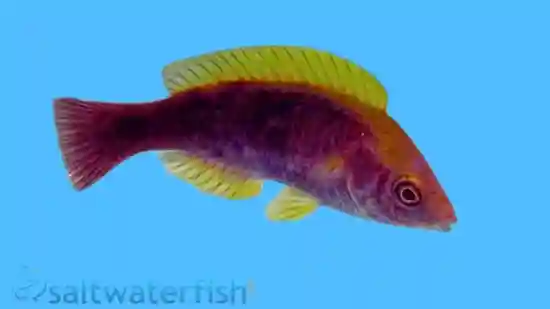
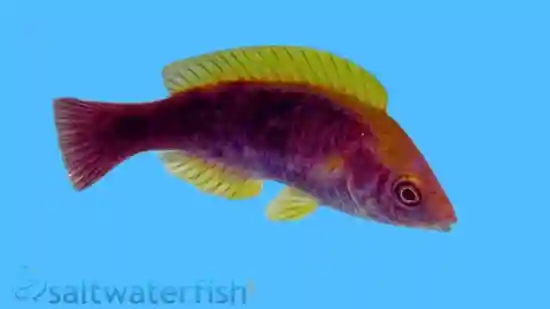
The Tricolor Fairy Wrasse shows a blend of purple, orange, yellow, and red across the body, with males developing brighter tones as they mature. Females display softer coloration with less contrast, and geographic variations can influence intensity. Males often have more defined body stripes and fin edging, while females remain uniform in tone.
Care & Requirements
The Tricolor Fairy Wrasse fits well into tanks that offer swimming space, rockwork, and stable parameters. A 30-gallon aquarium works for a single fish, but larger setups help maintain predictable behavior. A tight lid or mesh top is necessary because this species jumps when startled. Rock structures with crevices support natural foraging and hiding, helping the fish feel secure. Their carnivorous diet includes frozen mysis shrimp, brine shrimp, and finely chopped marine foods, fed two to three times daily in small portions. Stable water chemistry with minimal fluctuations supports long-term health, along with moderate flow and consistent lighting.
Do Tricolor Fairy Wrasses jump? Yes, they are known jumpers and require a fitted lid or mesh top.
How often should they be fed? Two to three small meals per day work best due to their fast metabolism.
Do they need a sand bed? No, they sleep in the rockwork and do not bury in sand.
Tank Mates & Compatibility
This species matches well with peaceful reef fish including chromis, gobies, dartfish, anthias, and other small wrasses. They rarely show aggression when kept individually or in a female-heavy group. Only one male should be housed per tank unless the aquarium is very large. Avoid pairing them with aggressive species such as large dottybacks, triggers, or territorial hawkfish, as these can limit natural behavior or outcompete them for food. They coexist well in coral-rich systems and do not harm invertebrates aside from very small planktonic prey.
Can two males live together? Not in small or medium tanks; only one male should be kept unless the system is large.
Are they safe with shrimp? They are generally safe with ornamental shrimp and other common invertebrates.
Can they live in a harem? Yes, one male with multiple females works well if the tank size allows.
Aquaculture/Availability
Currently, captive-bred Tricolor Fairy Wrasse (Cirrhilabrus lubbocki) specimens are not widely available; most trade relies on wild-caught sources. Availability is generally steady due to consistent collection from the Philippines and Indonesia. Wild-caught individuals adapt well when placed in stable, established aquariums with proper acclimation.
Do wild-caught wrasses adapt well? Yes, they transition reliably when introduced to stable systems.
Is supply seasonal? Availability may shift slightly with collection conditions but remains consistent overall.
FAQ
How long does it take a Tricolor Fairy Wrasse to settle into a new tank? Most individuals settle within several days if the tank has rockwork and minimal sudden movement. Early hiding behavior is normal and they become more active once they recognize feeding routines.
Does the Tricolor Fairy Wrasse change color as it matures? Yes, males intensify their colors over time, especially during displays. Females keep softer tones, and differences become more noticeable as adults.
What is the best way to introduce this wrasse to a reef tank with established fish? Adding them during lower-light periods and using an acclimation box helps prevent chasing. Releasing them near rock structures gives immediate cover and reduces stress.
How sensitive is this species to water parameter changes? They handle stable systems well but react poorly to rapid shifts in salinity, temperature, or alkalinity. Consistency prevents stress-related behavior.
Can the Tricolor Fairy Wrasse be kept with corals that have long sweeper tentacles? Yes, but placement matters. They do not nip corals, though they may avoid areas with aggressive LPS species.
What lighting intensity works best for showing their colors? Moderate lighting displays their natural tones well. Strong reef lights also work if shaded areas are available.
How active are they compared to other fairy wrasses? They are moderately active swimmers and spend most of the day exploring rockwork and open water.
Is this species suitable for a beginner marine aquarist? Yes, provided the tank is fully cycled, has a tight lid, and offers stable parameters.
Do they require live foods? No, they accept frozen and prepared foods readily. Live foods are optional for new imports.
How do they behave at night? They sleep within rock crevices and may form a mucus cocoon, which is normal. They remain inactive until lighting increases.
Another fish that the pictures don't do it justice. This guy is gorgeous! Colors are vivid and bright. Arrived alert and active and was swimming around the tank immediately after I released it.
Reviewed by: Brian Clark on March 2, 2026
Love this Tricolor Fairy Wrasse! He is so beautiful and such an interesting personality! He doesn't bother anyone and has actually become friends with our yellow wrasse! They swim attached at the hip looking for food! He is a very mellow swimmer who loves swimming through the rock work to find new caves. He is a little hard to feed when competing with quicker eaters, I let a couple pellets sink in front of him and sink a few spirulina flakes! I highly recommend him, he is sweet, beautiful, and easy!
Reviewed by: Shia M. on Jan. 1, 2022