Joculator Angelfish - Australia
Centropyge joculator
(0 Reviews)
Joculator Angelfish - Australia
Centropyge joculator
(0 Reviews)
Joculator Angelfish - Australia
Size: < 2"
$933.99
Joculator Angelfish - Australia
Size: 2-3 inches
$933.99
Joculator Angelfish - Australia
Size: 3-4 inches
$933.99
To join the waiting list, click here
Free Shipping
With
$199.00
or more in Marine Life.
More details...

Joculator Angelfish - Australia Care Facts
| Care Level: | Moderate |
|---|---|
| Temperament: | Semi-Aggressive |
| Diet: | Omnivore |
| Reef Safe: | No |
| Minimum Tank Size: | 50 gallons |
| Max Size: | 5 inches |
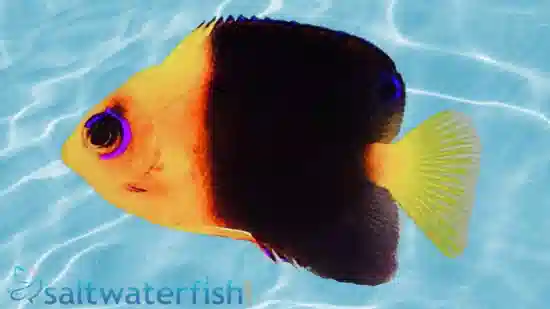
The Joculator Angelfish (Centropyge joculator) offers hobbyists a small, hardy marine angelfish with bright yellow and deep blue coloration that stands out even in mature reef systems. Many aquarists ask how big a Joculator Angelfish gets or whether pygmy angels are aggressive, and this species answers both concerns with its manageable 3 to 3.5 inch size and a semi-aggressive but predictable temperament. Its restricted range in the Cocos (Keeling) Islands and Christmas Island adds natural rarity, which is why experienced reef keepers value it as a long-term showpiece for mature reef tanks.
Appearance
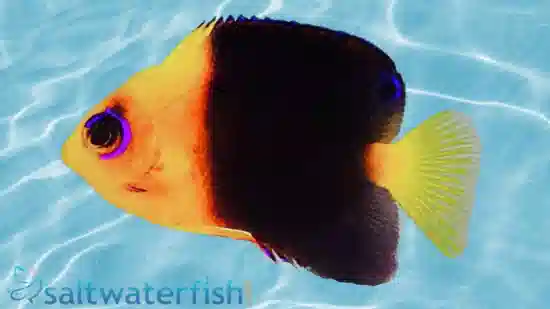
The Joculator Angelfish shows a bright yellow head and anterior body that transitions into a deep blue rear half with electric blue trim along the dorsal and anal fins. A thin blue ring encircles the eye, creating a clear contrast between the two color fields. Juveniles and adults share the same pattern, making the species instantly recognizable.
Care & Requirements
The Joculator Angelfish does well in established tanks with stable nutrient levels and strong biological filtration. A minimum 50 gallon aquarium gives it room to graze and reduces territorial behavior toward other dwarf angels. It is considered reef safe with caution, meaning it may sample fleshy corals if underfed or stressed. Offering a varied diet of marine-based foods such as spirulina, mysis shrimp, enriched brine shrimp, and angelfish preparations helps maintain color and reduces nipping. Provide live rock for natural grazing, moderate flow, and stable salinity between 1.020 and 1.025.
How often should a Joculator Angelfish be fed?
Feed 2 to 3 small meals each day to support grazing behavior and reduce coral nipping.
Do Joculator Angelfish adapt quickly to new tanks?
They adjust well once placed in stable, established systems with strong biological maturity.
Can a Joculator Angelfish be kept in a mixed reef?
Yes, but monitor around fleshy LPS and mantles, as behavior varies by individual.
Tank Mates & Compatibility
The Joculator Angelfish pairs well with peaceful to moderately assertive fish such as wrasses, gobies, clownfish, and tangs. Avoid housing it with other dwarf angelfish unless the tank is large enough to break sightlines and reduce territorial pressure. It may show dominance toward similarly shaped species in smaller tanks. Invertebrate compatibility is generally good, though caution is required around LPS corals and clams.
Can two Joculator Angelfish be kept together?
Only in larger tanks where a confirmed male-female pair can establish territory without conflict.
What fish should not be housed with a Joculator Angelfish?
Avoid very aggressive species like large triggers or established dwarf angels that may challenge it.
Are tank-bred clowns compatible with a Joculator Angelfish?
Yes, clownfish make reliable and peaceful companions.
Aquaculture/Availability
Currently, captive-bred Joculator Angelfish appear only occasionally from specialized breeders, and most specimens in the trade remain wild-caught due to the species’ limited geographic range. Availability can vary throughout the year, so securing one when offered helps ensure access to this rare dwarf angel.
Are captive-bred Joculator Angelfish common?
No, captive-bred individuals are still limited, though small batches appear from time to time.
Do captive-bred fish behave differently from wild specimens?
Captive-bred fish often adapt more easily to prepared foods and stable tank life.
Is the Joculator Angelfish seasonal in availability?
Yes, collection windows and transport conditions influence when they appear in stores.
FAQ
How large of a tank does a Joculator Angelfish need long term?
A 50 gallon tank is the minimum, but larger aquariums offer more stable territory boundaries and reduce semi-aggressive behavior as the fish matures.
Is the Joculator Angelfish considered reef safe for SPS-dominated tanks?
They typically leave SPS corals alone when well fed, but behavior varies by individual.
How does the Joculator Angelfish compare to a Bicolor Angelfish in temperament?
The Joculator is generally less aggressive than a mature Bicolor Angelfish but still shows territorial behavior toward similar dwarf angels.
What is the typical acclimation process for a Joculator Angelfish?
A slow drip acclimation over 30 to 45 minutes helps the fish adjust to temperature and salinity.
Does the Joculator Angelfish graze on algae?
Yes, it naturally grazes on microalgae and biofilm on rock surfaces.
Can the Joculator Angelfish change color as it matures?
Coloration remains consistent, though contrast may intensify with proper nutrition.
How active is the Joculator Angelfish during the day?
It is diurnal and spends most of the day exploring rockwork and grazing.
What water stability is most important for this species?
Stable salinity between 1.020 and 1.025, pH above 8.1, and temperature between 72 and 78 F support long-term health.
Currently Joculator Angelfish - Australia does not have any reviews.