


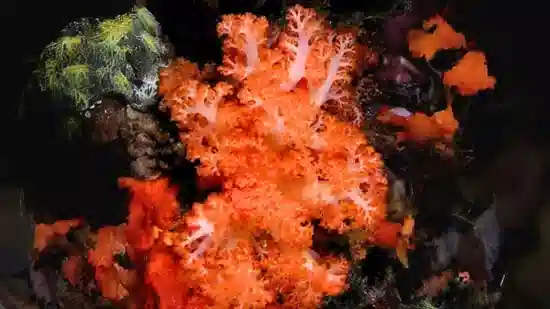
Soft Corals In Saltwater Aquariums: FAQ
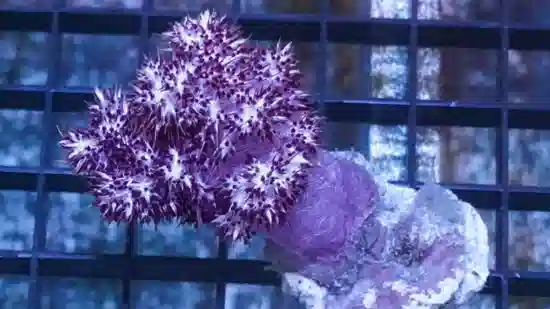
Soft corals are a diverse group of corals that add motion, color, and natural flow to a saltwater aquarium. Unlike hard corals, which build rigid calcium carbonate skeletons, soft corals have flexible, leathery structures supported by tiny internal particles called sclerites. This gives them their signature swaying movement and makes them some of the most forgiving, beginner-friendly corals in the hobby. Soft corals are often recommended for new reef keepers because they adapt well to varying light levels, moderate flow, and slightly higher nutrient environments.
How soft corals differ from hard corals:
Skeletal Structure
Soft corals lack a solid stony skeleton. Instead, they have a flexible, fleshy body supported by sclerites. Hard corals (LPS and SPS) build rigid calcium carbonate structures that form reef frameworks.
Lighting Requirements
Soft corals thrive under moderate lighting and often tolerate variations better than many hard corals. Hard corals typically require more intense, stable light.
Water Demands
Soft corals do well in nutrient-rich systems and are more forgiving of small parameter swings. Hard corals demand pristine water, low nutrients, and higher calcium and alkalinity levels to support skeletal growth.
Growth & Movement
Soft corals grow quickly, spreading or branching depending on species. Their flowing motion brings dynamic movement to reef tanks, something hard corals cannot replicate.
Ease of Care
Soft corals are generally the easiest corals to keep, making them ideal for new hobbyists or mixed-reef setups.
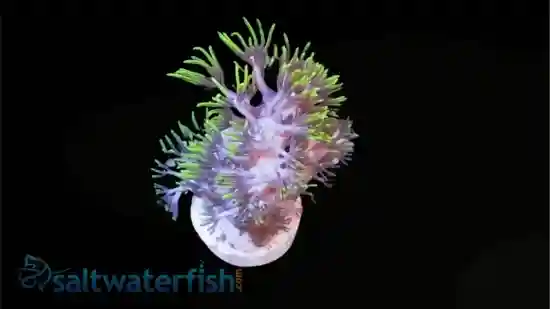
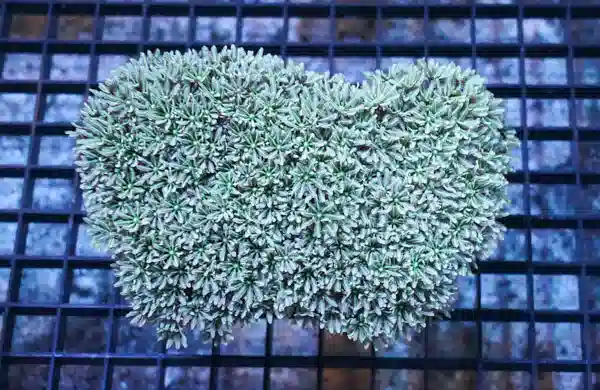
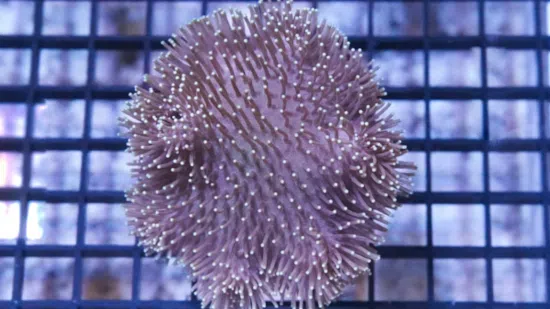
One Saltwaterfish.com reviewer of the Nano Sinularia Finger Leather Coral shared: “Everything was alive and well and package great.”
Pro soft coral care tips:
Maintain moderate light and gentle–moderate flow.
Keep nutrients detectable; soft corals dislike ultra-clean water.
Place faster-growing species away from slower corals to prevent crowding.
- Perform routine water changes to maintain trace elements.
Bottom line:
Soft corals are flexible, hardy, and visually dynamic corals that differ from hard corals by lacking a stony skeleton and requiring more relaxed water conditions. Their adaptability makes them perfect for beginners and experienced aquarists alike. Explore Saltwaterfish.com’s Soft Coral Collection for sustainably sourced, tank-conditioned options backed by our 8-Day Live Guarantee.
Soft corals are among the most forgiving and beginner-friendly corals in the reef-keeping hobby, but they still require stable, reef-appropriate water parameters to thrive long term. Unlike SPS and many LPS corals, soft corals tolerate slightly higher nutrients and moderate lighting, making them ideal for new hobbyists or mixed reefs. Maintaining consistency is the key. Soft corals respond best to stable chemistry rather than chasing “perfect” numbers.
Ideal water parameters for soft corals:
Temperature: 76–78°F
Salinity: 1.024–1.026 specific gravity
pH: 8.1–8.4
Alkalinity: 8–9.5 dKH
Calcium: 380–450 ppm (soft corals use minimal calcium but still benefit from balanced reef chemistry)
Magnesium: 1250–1350 ppm
Nitrate: 5–20 ppm
Phosphate: 0.03–0.10 ppm
Flow: Moderate, indirect flow to support movement and nutrient exchange
Lighting: Low to moderate (depending on species such as leathers, zoanthids, or mushrooms)
Soft corals thrive when nutrients are present but controlled. Unlike SPS corals, they prefer environments that are not ultra-clean. Too-low nutrients may cause them to shrink, fade in color, or stop growing. Likewise, consistent alkalinity and temperature help soft corals expand fully and maintain their signature flowing movement.
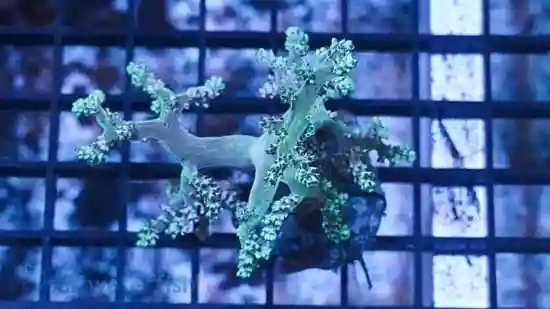
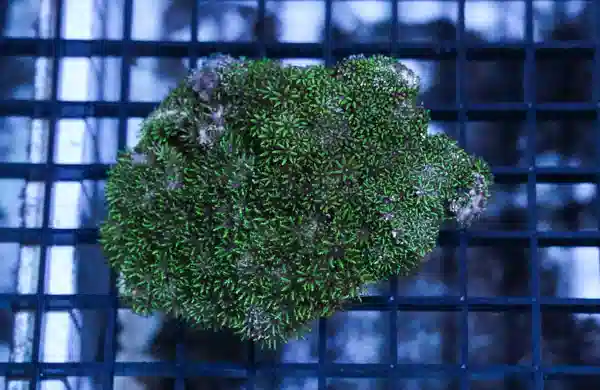
One Saltwaterfish.com reviewer of the Green Finger Leather Coral shared: “Thriving well\!”
Pro soft coral care tips:
Maintain detectable nitrate and phosphate. Soft corals dislike sterile tanks.
Use moderate lighting; too much intensity can cause bleaching.
Ensure stable alkalinity, even though soft corals use little calcium.
Keep flow steady but indirect to avoid tissue damage.
- Perform regular water changes to replenish trace elements.
Bottom line:
Soft corals need stable, moderately nutrient-rich reef parameters with balanced alkalinity, gentle–moderate flow, and reliable temperature control. These conditions support their growth, coloration, and iconic swaying appearance. For hardy, tank-conditioned soft corals backed by Saltwaterfish.com’s 8-Day Live Guarantee, explore the Soft Coral Collection and build a thriving, low-stress reef environment.
Soft corals are some of the most adaptable and beginner-friendly corals when it comes to lighting. Unlike SPS corals, which require high-intensity illumination, most soft corals thrive under low to moderate lighting, making them ideal for newer reef setups or mixed reefs. Their flexible tissue and symbiotic zooxanthellae allow them to adjust well to a range of PAR levels, as long as the lighting is stable and not excessively intense.
Recommended lighting range for soft corals:
PAR: 50–150 PAR (species dependent)
Spectrum: Full-spectrum reef lighting with strong blue channels (14,000K–20,000K appearance)
Photoperiod: 8–10 hours of light per day
Lighting needs by popular soft coral groups:
Zoanthids & Palythoas: Low–moderate light (60–120 PAR); too much intensity may cause fading.
Leathers (Sarcophyton, Sinularia, Lobophytum): Moderate light (80–150 PAR) for full polyp extension.
Mushrooms (Discosoma, Rhodactis, Ricordea): Low light (40–80 PAR); they often bleach under strong LEDs.
Clove polyps & Kenya Trees: Low–moderate light, highly adaptable.
Soft corals tend to respond noticeably to good lighting. They'll open fully, sway with the flow, and display richer coloration when under appropriate intensity. Too much light can cause shrinking, bleaching, or retraction, while too little may lead to elongation as they reach upward.
One Saltwaterfish.com reviewer of the Kenya Tree Coral shared: “Frag looked great. Once in the tank didn’t take long to open up and acclimate.”
Pro lighting tips for soft corals:
Start soft corals on the bottom half of the tank and move them up slowly if needed.
Increase LED intensity gradually (5–10% per week) to avoid shock.
Ensure stable photoperiods: frequent changes, stress corals.
Combine moderate flow with balanced lighting for best polyp extension.
Avoid placing light-sensitive mushrooms directly under powerful LED hotspots.
Bottom line:
Soft corals need low to moderate, stable lighting with a strong blue spectrum to thrive. Their adaptability makes them ideal for beginners and for filling lower-light areas of a reef. For healthy, tank-conditioned soft corals backed by Saltwaterfish.com’s 8-Day Live Guarantee, explore the Soft Coral Collection and build a vibrant, flowing reefscape with confidence.
Soft corals are some of the easiest and most forgiving corals to keep, making them ideal for both beginners and experienced reef aquarists. Their flexible, leathery structures and adaptable nature allow them to thrive in a wide range of lighting, flow, and nutrient conditions. With the right environment and steady maintenance routine, soft corals add movement, color, and fast growth to any reef tank.
Key elements of soft coral care:
Stable, nutrient-friendly water conditions
Soft corals prefer slightly nutrient-rich environments with measurable nitrate (5–20 ppm) and phosphate (0.03–0.10 ppm). Aim for salinity between 1.024–1.026, pH 8.1–8.4, and temperature 76–78°F. These corals are less sensitive to small fluctuations than SPS, but consistency is still critical.
Moderate lighting
Most soft corals thrive under low to moderate lighting (50–150 PAR). Mushrooms and zoanthids often prefer the lower range, while leathers perform well under slightly stronger light.
Gentle to moderate flow
Ensure enough flow to prevent detritus buildup and support nutrient exchange, but avoid direct blasts that can cause retraction or tissue damage. Soft corals should sway gently in the current.
Regular maintenance
Perform routine water changes to replenish trace elements like iodine and magnesium. Soft corals grow quickly, so prune or relocate frags to prevent overgrowth into neighboring corals.
One Saltwaterfish.com reviewer of the Chili Coral shared: “What a beautiful coral. When it opens up it is gorgeous\! It adds such a bright color to the reef.”
Pro soft coral care tips:
Allow room for growth: many soft corals spread rapidly.
Keep nutrients detectable; sterile tanks can cause soft corals to shrink.
Use carbon occasionally to reduce chemical warfare between species.
Quarantine new corals to prevent pests like nudibranchs or zoa-eating spiders.
- Start new pieces low in the tank and adjust placement gradually.
Bottom line:
Soft corals thrive with stable parameters, moderate lighting, gentle flow, and balanced nutrients. Their resilience makes them some of the best corals for building a lush, dynamic reef environment. For hardy, tank-conditioned soft corals backed by Saltwaterfish.com’s 8-Day Live Guarantee, explore the Soft Coral Collection and grow your reef with confidence.
Yes, soft corals are affected by phosphate and nitrate levels, but unlike SPS corals that demand ultra-clean water, soft corals actually benefit from moderate nutrient levels. In fact, many soft coral species struggle or shrink in tanks where nitrates and phosphates are too low. These corals naturally thrive in nutrient-rich reef environments, and maintaining balanced, measurable nutrients is essential for their long-term health, coloration, and growth.
How nitrate levels affect soft corals:
Ideal range: 5–20 ppm
Too low (\<2 ppm): Soft corals may close up, fade, or stop growing. Zoanthids and mushrooms are especially sensitive to “sterile” water.
Too high (\>30–40 ppm): Can lead to algae outbreaks that shade corals and reduce polyp extension.
How phosphate levels affect soft corals:
Ideal range: 0.03–0.10 ppm
Too low (0.00–0.02): Corals may lose color, retract, or slow down growth.
Too high (\>0.15–0.20): Promotes nuisance algae that competes with soft corals for light and flow.
Soft corals such as leathers, zoanthids, palythoas, green star polyps, and mushrooms all prefer stable tanks with balanced nutrients, moderate lighting, and steady flow. They often flourish in newer tanks or mixed reefs where nutrients remain gently elevated.
One Saltwaterfish.com reviewer of the Pumping Pom Pom Xenia shared: “Hardy and beautiful coral.”
Pro nutrient-management tips for soft corals:
Avoid running aggressive nutrient removers like heavy GFO unless absolutely needed.
Feed fish regularly: fish waste helps maintain healthy nitrate/phosphate levels.
Skim efficiently but not overly “dry,” which can strip nutrients too much.
Perform routine water changes to keep nutrients in balance.
Observe coral behavior: closed polyps or shrinking colonies often indicate nutrient imbalance.
Bottom line:
Soft corals are* affected by nitrate and phosphate, but they thrive in moderate, balanced nutrient levels, not ultra-clean water. Keeping measurable nitrates and phosphates helps soft corals stay open, colorful, and fast-growing. For hardy, tank-conditioned soft corals backed by Saltwaterfish.com’s 8-Day Live Guarantee, explore the Soft Coral Collection and create a thriving, nutrient-balanced reef environment.
Soft corals are perfect for reef keepers who want beautiful movement and color without constant upkeep. Because they tolerate a range of lighting, flow, and nutrient levels, many soft corals are ideal for busy aquarists, new hobbyists, or anyone wanting a thriving reef with minimal daily attention. These corals grow quickly, adapt easily, and often recover well from minor fluctuations, making them some of the most forgiving additions to a home aquarium.
Top low-maintenance soft corals:
Zoanthids & Palythoas
Vibrant, fast-growing, and extremely hardy. They thrive under low–moderate light and don’t require pristine parameters. Great for filling rock surfaces with color.
Mushrooms (Discosoma, Rhodactis, Ricordea)
Some of the easiest corals available. Mushrooms tolerate low light, low flow, and elevated nutrients. They expand beautifully and spread on their own.
Green Star Polyps (GSP)
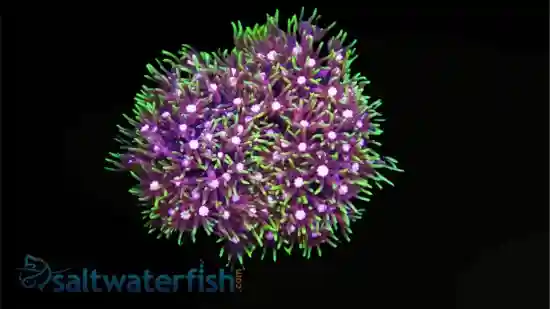
A classic beginner coral that forms bright green, flowing mats. Very resilient and thrives in moderate flow. Place on an isolated rock to manage spreading.
Kenya Tree & Other Tree Corals
Flexible, fast-growing, and tolerant of a wide range of conditions. These corals can handle nutrient-rich environments and often self-propagate.
Leather Corals (Sarcophyton, Sinularia, Lobophytum)
Long-lived and easy to care for. They handle varying flow and lighting and maintain steady growth even in newer tanks.
One Saltwaterfish.com reviewer of the Nano Sinularia Finger Leather Coral shared: “If you don't have any leather corals, be sure to add this to your collection. They are easy to take care of and changes the total outlook of your marine aquarium.”
Pro tips for low-maintenance soft corals:
Keep nutrients detectable, not stripped. Soft corals dislike “too clean” water.
Provide gentle–moderate flow for natural movement and detritus removal.
Use moderate lighting; most soft corals do not need intense LEDs.
Place spreading corals (GSP, mushrooms, zoas) where they won’t overtake others.
Perform regular but simple water changes to refresh trace elements.
Bottom line:
The best low-maintenance soft corals for busy reefers include zoanthids, mushrooms, GSP, Kenya trees, and leather corals, all highly adaptable and visually stunning. These corals offer beautiful motion and color with minimal effort. Explore Saltwaterfish.com’s Soft Coral Collection, backed by our 8-Day Live Guarantee.
Soft corals can survive on light alone, but they thrive when given occasional supplemental feeding. Like most photosynthetic corals, soft corals host symbiotic zooxanthellae that convert light into energy, meaning they can live comfortably under low to moderate lighting without direct feeding. However, feeding soft corals periodically can boost growth, enhance coloration, and support overall health, especially in nutrient-poor systems.
How soft corals get their energy:
Photosynthesis (primary source)
Soft corals rely heavily on light. Zooxanthellae within their tissues use the blue-heavy reef spectrum to produce energy. Under stable lighting (50–150 PAR), most soft corals can grow without additional food.
Dissolved nutrients
Soft corals absorb nitrates, phosphates, and dissolved organics in the water column, one reason they perform well in tanks with 5–20 ppm nitrate and 0.03–0.10 ppm phosphate.
Occasional feeding
While not necessary for survival, soft corals benefit from periodic feedings of fine particulate foods, especially:
Reef roids
Phytoplankton
Marine snow
Liquid coral foods
Finely minced meaty foods (for larger polyps)
Feeding can significantly improve polyp extension, growth rate, and richness of color.
One Saltwaterfish.com reviewer of a soft coral order shared: “Everything arrived healthy and opened up beautifully within hours. The movement is incredible. Exactly what my reef needed.”
Pro feeding tips for soft corals:
Target-feed lightly once or twice weekly for best results.
Turn off flow pumps for 10–15 minutes to allow corals to capture food.
Avoid overfeeding: excess can raise nutrients too high and fuel algae.
Feed at night for species like zoanthids and leathers that open more after lights dim.
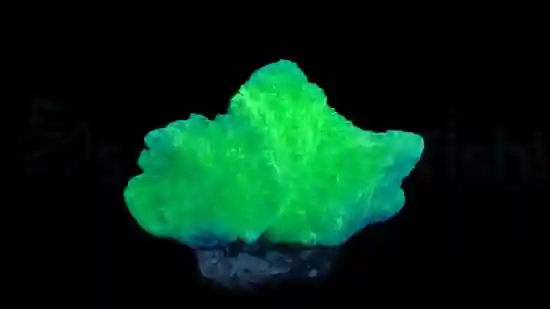
One Saltwaterfish.com reviewer of the Green Finger Leather Coral shared: “Leather corals are just amazing to look at. They add a different look to a reef tank from the traditional zoas and such. A must to have one of 2 or more in your tank. Do understand they will grow quite large.”
Bottom line:
Soft corals can survive on light alone, but they grow faster and look better with occasional supplemental feeding. Their ability to thrive in nutrient-rich environments makes them perfect for beginners and low-maintenance reef tanks. For hardy, tank-conditioned soft corals backed by Saltwaterfish.com’s 8-Day Live Guarantee, explore the Soft Coral Collection and build a vibrant, easy-care reef.
Soft corals originate from tropical and subtropical reef environments around the world, where warm, nutrient-rich waters support their flexible structures and flowing polyps. Unlike hard corals, which build large reef frameworks, soft corals inhabit reef slopes, lagoons, and current-swept areas where they attach to rock and sway in natural water movement. Their global distribution provides hobbyists with a wide variety of colors, shapes, and growth patterns suited for both beginner and advanced reef tanks.
Major regions where soft corals are found:
Indonesia & the Philippines: The world’s most coral-diverse region. Home to leathers, zoanthids, mushrooms, and tree corals.
Fiji: Known for vibrant leathers and colorful zoanthids with unique patterns.
Indian Ocean (Kenya, Maldives): Produces hardy tree corals and large polyp varieties.
Caribbean: Offers gorgonians and sea fans, though many are protected and not commonly exported.
Australia: Source of premium Ricordea and unique morphs.
Soft corals thrive in environments with moderate light, stable flow, and nutrient presence, which is why they adapt so well to home aquariums. Many species are also aquacultured, meaning they are grown in captivity rather than collected from the wild, helping support sustainability and reduce pressure on natural reefs.
Saltwaterfish.com works with sustainable collection partners and aquaculture facilities to provide healthy, responsibly sourced soft corals that acclimate well to home systems.
One Saltwaterfish.com reviewer of the Kenya Tree Coral shared: “Absolutely beautiful and acclimated in no time. It’s open and healthy.”
Pro sourcing tips:
Choose aquacultured or maricultured soft corals whenever possible for easier acclimation and better sustainability.
Research species origins: different regions produce corals adapted to different light and flow conditions.
Acclimate slowly; wild-collected soft corals may need extra time to adjust.
- Avoid corals from protected areas or questionable sources.
Bottom line:
Soft corals come from warm, nutrient-rich reef environments across the Indo-Pacific, Fiji, Australia, and the Indian Ocean, with many now available through aquaculture. Their natural adaptability makes them excellent choices for reef tanks of all experience levels. Explore Saltwaterfish.com’s Soft Coral Collection, each specimen is responsibly sourced and backed by our 8-Day Live Guarantee for confident reefkeeping.
Yes, soft corals and clownfish are excellent tankmates, and this combination is one of the most popular pairings in reef aquariums. Clownfish are peaceful, hardy, and reef-safe, meaning they will not harm soft corals. In many cases, clownfish even form natural hosting relationships with certain soft corals when anemones are unavailable, adding movement, interaction, and personality to the tank.
Why soft corals and clownfish work well together:
Clownfish are reef-safe
They do not nip, sting, or irritate soft coral tissue. Their calm swimming style is ideal for mixed reefs.
Hosting behavior
Clownfish may choose to host in large, fleshy soft corals such as:
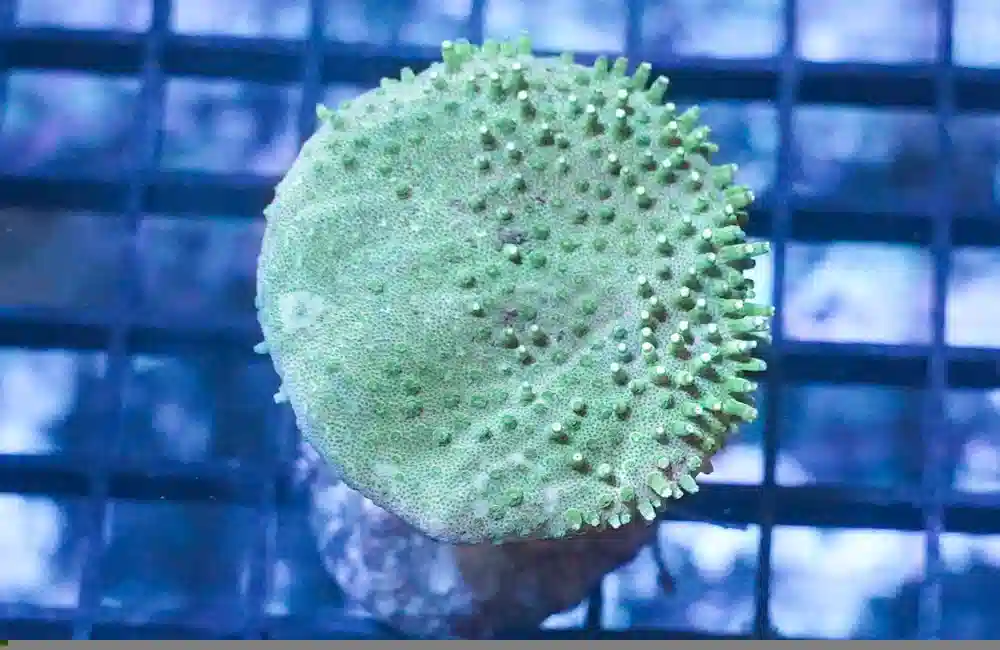
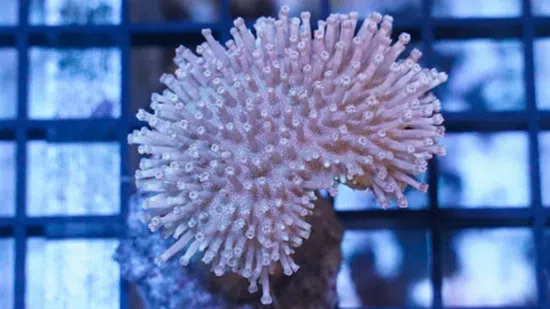
Toadstool Leather Corals (Sarcophyton)
Finger Leathers (Sinularia)
Lobophytum Leathers
These corals tolerate hosting far better than delicate LPS or SPS species.
Soft corals are hardy and adaptable
They thrive under moderate light and flow, making them ideal for the smaller–mid-size tanks often used for clownfish setups.
Nutrient compatibility
Clownfish benefit from regular feeding, and the nutrient-rich environment soft corals prefer pairs perfectly with a clownfish-centered reef.
One Saltwaterfish.com reviewer of the Litophyton Coral shared: “Fast grower fills out nice.”
Pro tips for keeping soft corals with clownfish:
Introduce soft corals first so they can settle before potential hosting behavior occurs.
Choose large leather corals if you want clowns to naturally host.
Provide moderate, indirect flow; clownfish prefer gentle water near their host coral.
If clownfish host aggressively, ensure the coral is large enough to handle the activity.
Maintain stable nutrient levels: soft corals prefer nitrate 5–20 ppm and phosphate 0.03–0.10 ppm.
Bottom line:
Soft corals and clownfish make a perfect pairing in reef aquariums. Soft corals provide beautiful movement and hardy structure, while clownfish add personality and natural hosting behavior. For tank-conditioned soft corals backed by Saltwaterfish.com’s 8-Day Live Guarantee, explore the Soft Coral Collection and build a vibrant, clownfish-friendly reef with confidence.
Acclimating soft corals properly is essential for helping them adjust to your tank’s lighting, flow, and water chemistry. While soft corals are hardy and more forgiving than many LPS or SPS species, a careful acclimation process reduces stress, prevents shock, and encourages fast polyp extension once they settle in. A slow, steady approach gives your new coral the best chance to thrive long-term.
Step-by-step soft coral acclimation process:
1\. Float the bag (10–15 minutes)
Place the sealed coral bag in your tank to equalize temperature. This prevents sudden swings that can cause retraction or tissue stress.
2\. Drip acclimate (20–30 minutes)
Open the bag, place the coral and water into a container, and drip tank water into it at 2–3 drops per second. Continue until the volume doubles. This gently matches salinity, pH, and other parameters.
3\. Inspect for pests
Before placing the coral in your tank, visually inspect for nudibranchs, flatworms, or unwanted hitchhikers. Many reefers choose to dip corals in a reef-safe coral dip for additional protection.
4\. Place the coral low and adjust gradually
Start soft corals low in the tank or in a shaded area. Over 1–2 weeks, gradually move them to their ideal lighting level. Soft corals adapt quickly but can bleach under sudden high-intensity LED lighting.
5\. Provide gentle flow
Place the coral where it can sway naturally in the current, not where direct flow blasts its tissue.
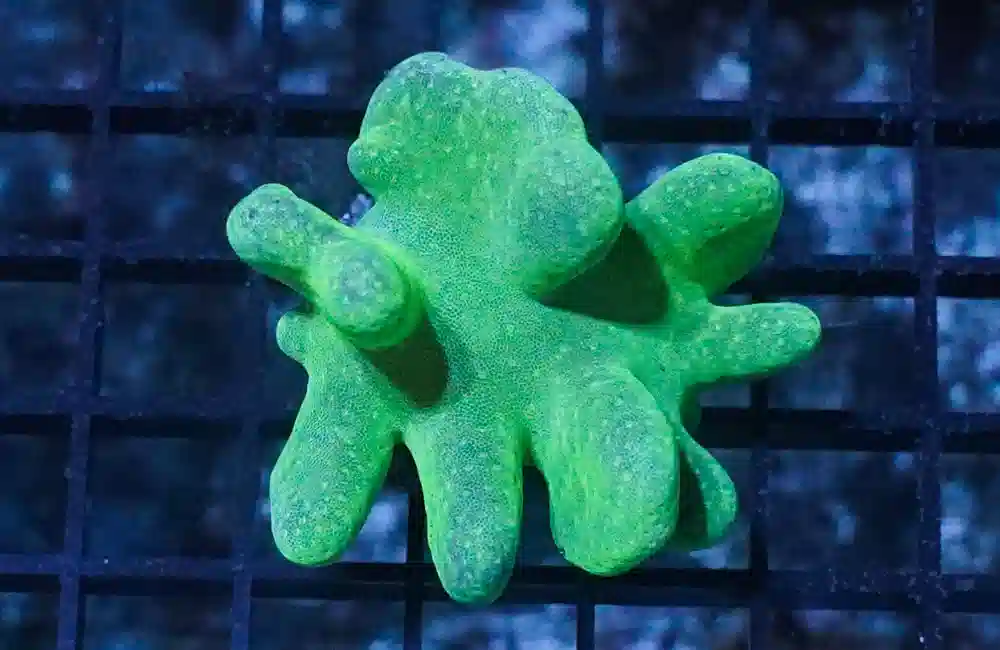
One Saltwaterfish.com reviewer of the Green Devil’s Hand Leather Coral shared: “You can never go wrong with purchasing a leather coral. To add a different look to your aquarium, you’ll need to get a devils hand leather coral. Imagine a leather coral island… ok, now purchase it from Saltwaterfish.com”
Pro acclimation tips:
Dim lights or use acclimation mode when adding new corals.
Avoid placing new soft corals near aggressive species with long sweepers.
Keep nutrients detectable: soft corals dislike ultra-clean water.
Allow 24–48 hours for full polyp extension after transfer.
- Handle soft corals gently; their tissues are flexible but delicate.
Bottom line:
Soft corals acclimate best when you temperature match, drip acclimate, dip carefully, and introduce them slowly to your lighting and flow. With a calm, steady approach, they typically open up quickly and begin growing within days. For vibrant, tank-conditioned soft corals backed by Saltwaterfish.com’s 8-Day Live Guarantee, explore the Soft Coral Collection and build your reef with confidence.
Soft corals are some of the most popular additions to home reef tanks thanks to their flowing movement, easy care, and wide range of colors and textures. They’re adaptable, beginner-friendly, and able to thrive in a variety of lighting and nutrient conditions, making them ideal for both new reefers and seasoned hobbyists building mixed reefs. Their hardiness and fast growth also make them a great way to add instant life and motion to a young tank.
Most popular soft corals for home aquariums:
Zoanthids & Palythoas
Bright, colorful, and available in endless varieties. Zoas spread quickly and thrive in low–moderate light, making them one of the most in-demand corals for beginners and collectors alike.
Mushrooms (Discosoma, Rhodactis, Ricordea)
Ultra-hardy and tolerant of a wide range of conditions. Mushrooms add vibrant color and can thrive where many other corals cannot.
Green Star Polyps (GSP)
A classic favorite thanks to its neon green color and grassy, waving polyps. Fast-growing and very forgiving, best placed on an isolated rock to prevent spreading too far.
Leather Corals (Sarcophyton, Sinularia, Lobophytum)
Toadstool and finger leathers are staples in home reefs. They sway beautifully in the current and tolerate moderate light and flow.
Kenya Tree & Other Tree Corals
Soft, swaying corals that adapt extremely well to varying nutrient and lighting conditions. Hardy and self-propagating.
One Saltwaterfish.com reviewer of the Finger Leather Coral shared: “Just got the medium green last week. Absolutely beautiful\! I will be adding one or two more.”
Pro tips for choosing popular soft corals:
Start with hardy species like mushrooms or zoanthids for fast success.
Keep spreading corals like GSP or Kenya Trees on isolated rocks.
Maintain detectable nutrients: soft corals dislike ultra-clean water.
Provide gentle–moderate flow to support natural movement and prevent detritus buildup.
Use moderate lighting; most soft corals thrive in 50–150 PAR.
Bottom line:
The most popular soft corals for home aquariums include zoanthids, mushrooms, green star polyps, leather corals, and Kenya trees; all hardy, colorful, and deeply rewarding to keep. These adaptable species bring vibrant color and constant motion to any reef. Explore Saltwaterfish.com’s Soft Coral Collection, backed by our 8-Day Live Guarantee, to create a beautiful, easy-care reefscape with confidence.
Soft corals are known for being some of the most forgiving and beginner-friendly corals in the reef-keeping hobby, and several species stand out as especially easy to care for. These corals thrive in a wide range of lighting, tolerate elevated nutrients, adapt quickly to new environments, and grow steadily without demanding intensive maintenance. For new reefers, busy hobbyists, or anyone building a low-stress mixed reef, these soft corals offer excellent color, movement, and resilience.
Easiest soft corals for home aquariums:
Mushrooms (Discosoma, Rhodactis, Ricordea)
Among the hardiest corals available. Mushrooms tolerate low light, low flow, and elevated nutrients. They expand beautifully and spread naturally over rockwork.
Zoanthids & Palythoas
Bright, colorful, and fast-growing. Zoanthids thrive under low–moderate lighting and adapt well to a variety of water conditions, making them ideal for new reefers.
Green Star Polyps (GSP)
Ultra-hardy and visually striking with flowing neon polyps. They grow rapidly on rock surfaces and tolerate moderate flow and varied lighting. Best kept on an isolated rock due to fast spreading.
Kenya Tree & Other Tree Corals
Flexible, self-propagating, and extremely tolerant. These corals remain open even in newer tanks and can handle fluctuations that challenge more delicate species.
Leather Corals (Sarcophyton, Sinularia, Lobophytum)
Toadstool and finger leathers are classic beginner corals known for durability, movement, and low maintenance. They tolerate diverse lighting and flow while maintaining steady growth.
One Saltwaterfish.com reviewer of the Green Devil’s Hand Leather Coral shared: “Only took 2 days for them to adjust. All I see now is their polyps. They like moderate lighting. Couldn’t be happier with this purchase\!”
Pro tips for keeping easy soft corals:
Maintain detectable nutrients (nitrate 5–20 ppm; phosphate 0.03–0.10 ppm).
Provide gentle–moderate flow to prevent detritus buildup.
Use moderate lighting: many softies bleach under intense LEDs.
Keep spreading species like GSP and mushrooms on isolated rocks.
Perform regular water changes to replenish trace elements that support growth.
Bottom line:
The easiest soft corals to keep include mushrooms, zoanthids, green star polyps, Kenya trees, and leather corals; all hardy, adaptable, and perfect for building a beautiful, low-maintenance reef. Explore Saltwaterfish.com’s Soft Coral Collection, backed by our 8-Day Live Guarantee, to start your reef with proven, easy-care corals.
Soft corals can grow surprisingly large in home aquariums, with many species expanding far beyond their initial size once established. Their flexible, fleshy structures allow them to spread, branch, or form broad polyps that sway in the current. Growth size depends on species, lighting, nutrients, and water flow, but most soft corals become medium to large centerpiece colonies when given time and stable conditions.
Typical growth sizes of popular soft corals:
Leather Corals (Sarcophyton, Sinularia, Lobophytum)
Toadstools can reach 12–24 inches across when fully open.
Finger leathers may grow 8–20 inches tall with long, waving branches.
Kenya Trees & Other Tree Corals
Often reach 8–12 inches tall and drop frags as they mature, spreading throughout the tank.
Green Star Polyps (GSP)
Spread rapidly across rock surfaces and can form mats several feet wide if not isolated.
Zoanthids & Palythoas
Individual polyps stay small (0.25–1 inch), but colonies can cover entire rocks as they spread.
Mushrooms (Discosoma, Rhodactis, Ricordea)
Single mushrooms may reach 2–5 inches across, with some Rhodactis species exceeding 6 inches in ideal conditions.
They also multiply, forming dense clusters.
Soft corals generally grow faster and larger than many LPS or SPS corals, especially in tanks with moderate light, stable parameters, and nutrient levels between 5–20 ppm nitrate.
One Saltwaterfish.com reviewer of the Nano Sinularia Finger Coral shared: “Love the color, opened right up after acclimation.”
Pro growth-management tips:
Place fast spreaders like GSP and mushrooms on isolated rocks.
Give large leathers plenty of space: adult colonies can shadow nearby corals.
Maintain moderate nutrients to support natural expansion.
Trim or frag corals regularly to prevent overcrowding.
- Provide moderate flow: soft corals grow larger when they can sway naturally.
Bottom line:
Most soft corals can grow medium to very large in home aquariums, with leathers reaching 2 feet, mushrooms expanding to 5+ inches, and fast-spreaders like GSP forming massive mats. With stable water conditions and room to expand, soft corals become impressive, flowing showpieces. Explore Saltwaterfish.com’s Soft Coral Collection, each backed by our 8-Day Live Guarantee, to bring home beautiful, sustainably sourced soft corals ready to grow and thrive.